
Will AI Take Over the World?
Debunking Myths and Understanding Possibilities


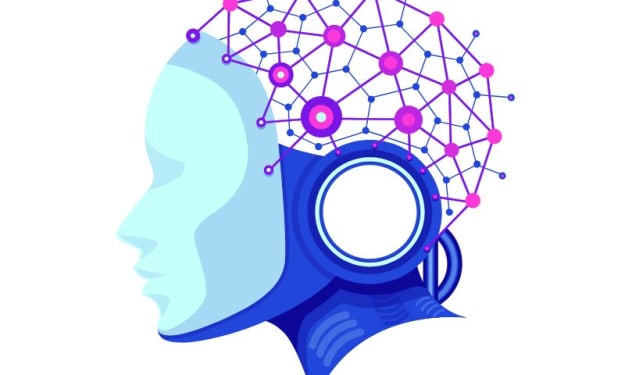
The prospect of Artificial Intelligence (AI) taking over the world has been a prominent topic of discussion and concern in recent years. Popularized by science fiction movies and dystopian novels, the notion of AI dominance elicits both fascination and fear among people. In this article, we will delve into the concept of AI takeover, examine its myths and realities, and explore the potential outcomes of AI advancement.
The Rise of AI
AI has made remarkable strides in the past few decades, transforming various industries and enhancing our lives. From voice assistants like Siri and Alexa to self-driving cars, AI technologies have become an integral part of modern society. However, these advances have led to apprehensions about the future role of AI and whether it could eventually surpass human capabilities.
Debunking Myths
Consciousness and Sentience: One of the common misconceptions about AI is that it will develop consciousness and sentience, akin to human beings. However, AI remains a product of human programming, relying on algorithms and data analysis rather than possessing emotions or self-awareness.
Malevolence: Some believe that AI will inherently become malevolent and view humanity as a threat. While AI can be programmed to mimic human emotions, it does not possess inherent motivations or desires. Any negative consequences arising from AI are more likely to be the result of human error or biased data.
Superintelligence Overnight: The idea that AI will exponentially surpass human intelligence in a short span is exaggerated. While AI can process information at an impressive speed, developing true general artificial intelligence (AGI) that matches or exceeds human cognition is a complex challenge that requires time and resources.
Ethical Considerations
As AI continues to advance, ethical questions emerge regarding its deployment and impact on society. Ensuring transparency, fairness, and accountability in AI systems becomes essential to mitigate potential risks and biases. Policymakers, technologists, and the public must collaborate to establish guidelines and regulations that promote responsible AI development.
AI as a Tool, Not a Master
AI is best understood as a tool to augment human capabilities rather than replace them. In various fields, including medicine, finance, and agriculture, AI assists humans in making informed decisions, increasing efficiency, and addressing complex challenges. Its potential to revolutionize industries and provide new opportunities is undeniable.
Economic Disruption
One of the concerns associated with AI is its potential to disrupt the job market. As automation becomes more prevalent, certain tasks could be replaced by machines, leading to job displacement in specific sectors. However, history has shown that technological advancements also create new jobs and industries, sparking the need for re-skilling and up-skilling the workforce.
AI and Creativity
Creativity is often regarded as a uniquely human trait, leading some to believe that AI will never truly replicate it. However, AI is already making strides in generating art, music, and literature, blurring the lines between human and machine creativity. This raises philosophical questions about the nature of creativity and challenges our understanding of artistic expression.
AI Governance and Control
Maintaining control and governance over AI systems is crucial to prevent any potential harmful consequences. Implementing safeguards and mechanisms to ensure that AI operates within predefined parameters is essential to avoid any accidental or intentional misuse of AI technology.
Collaborative Future: Humans and AI
The future relationship between humans and AI is likely to be one of collaboration. By leveraging AI’s analytical capabilities and processing power, humans can focus on tasks that require emotional intelligence, critical thinking, and moral judgment. This symbiotic partnership can lead to groundbreaking discoveries and solutions.
Conclusion
While the concept of AI taking over the world has been a popular theme in science fiction, the reality is far more nuanced. AI’s advancement brings with it numerous opportunities and challenges that require careful consideration and ethical guidelines. Rather than being fearful of AI, we should embrace its potential and work towards ensuring a responsible and collaborative future, where AI augments human capabilities and contributes positively to society. By fostering a proactive approach to AI development, we can unlock its true potential while safeguarding against potential risks.
About the Creator
Nararoth Theng
The greatest glory in living lies not in never falling, but in rising every time we fall. -Nelson Mandela
Keep reading
More stories from Nararoth Theng and writers in 01 and other communities.
Unveiling the Benefits of Trading Cryptocurrencies
Cryptocurrency trading has emerged as a dynamic and fast-growing financial market, captivating investors and traders worldwide. Unlike traditional financial systems, cryptocurrencies operate on decentralized blockchain technology, offering numerous benefits that have driven their popularity. In this article, we will explore the advantages of trading cryptocurrencies, shedding light on how they present unique opportunities in the evolving landscape of modern finance.
By Nararoth Theng3 years ago in 01
Reducing AI Integration Failures by 40% With the Right Generative AI Consulting Partner
In the rush to adopt cutting-edge technologies, many organizations have jumped into artificial intelligence projects without a solid strategy, experienced guidance, or realistic expectations. As a result, a growing number of businesses report stalled initiatives, failed integrations, or tools that never deliver meaningful ROI. But when organizations align with the right generative ai consulting services, the narrative changes — often dramatically. With expert support, companies can reduce AI integration failures by up to 40% and unlock the full potential of intelligent systems.
By Steve Waugh4 days ago in 01
Georges Chahwan: The Marketing Director Redefining Performance Strategy in Healthcare Staffing
In the competitive world of healthcare staffing, standing out requires more than a polished brand. It demands a marketing engine built on strategy, data, and relentless execution. Georges Chahwan, Marketing Director at ProMed Staffing Resources, has spent years engineering exactly that kind of engine. His approach combines technical SEO, digital advertising, and personalized email marketing into a cohesive system that doesn't just attract attention it converts.
By Jeffrey D. Gross MD2 days ago in 01



Comments
There are no comments for this story
Be the first to respond and start the conversation.