
Will AI Replace Us or Empower Us? Predictions for the Next 30 Years
Exploring whether AI will become humanity’s greatest ally or its biggest threat.


Will AI Replace Us or Empower Us? Predictions for the Next 30 Years
Every technological revolution has sparked the same question: Will machines replace humans? From the printing press to the steam engine to the internet, each invention has disrupted society, eliminating some jobs while creating new ones. Artificial Intelligence (AI) is the latest and most powerful force to raise this concern.
Over the next 30 years, AI will advance beyond what we can easily imagine today. It will transform industries, challenge ethics, and reshape the way humans live and work. But the real question is: will AI replace us—or empower us? Let’s explore the possibilities.
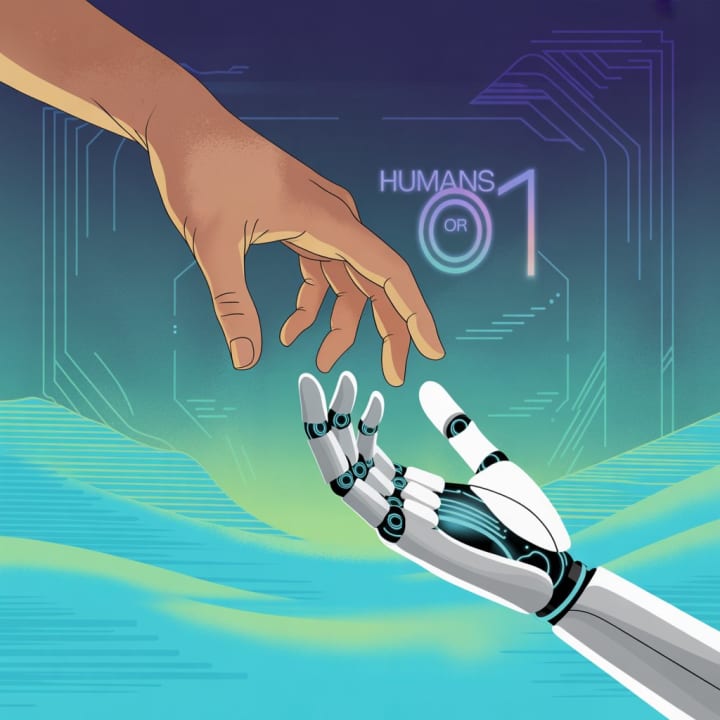
1. The Future of Work: Replacement or Partnership?
AI is already automating routine tasks. Self-checkout systems, chatbots, and automated warehouses show how machines can replace repetitive jobs. By 2055, experts predict that nearly half of current work activities could be automated.
But history shows us a different side too. The Industrial Revolution didn’t eliminate work—it transformed it. AI could do the same. Instead of replacing humans, it may free us from repetitive labor, allowing us to focus on creativity, empathy, and innovation. Jobs may shift rather than vanish, with new fields emerging in AI ethics, human-machine collaboration, and advanced problem-solving.

2. Healthcare: Smarter, Faster, and More Human
In the next 30 years, AI could become one of humanity’s greatest allies in healthcare. Imagine AI systems detecting diseases years before symptoms appear, recommending personalized treatments, and even helping develop cures for illnesses like Alzheimer’s or cancer. Robotic surgeons might perform operations with higher precision than humans.
Far from replacing doctors, AI may empower them—taking over repetitive tasks like analyzing scans so that physicians can spend more time caring for patients on a personal level. The future of medicine could be a partnership between human empathy and machine intelligence.
3. Education: AI as a Personal Tutor
By 2055, students may have AI-powered tutors that adjust lessons to their learning style in real time. Imagine a child struggling with math who receives step-by-step guidance until they master the concept, while another races ahead with advanced challenges.
Teachers won’t vanish—they’ll become facilitators of creativity, emotional growth, and critical thinking, while AI handles repetitive instruction. The result could be more inclusive, personalized education that empowers both students and educators.
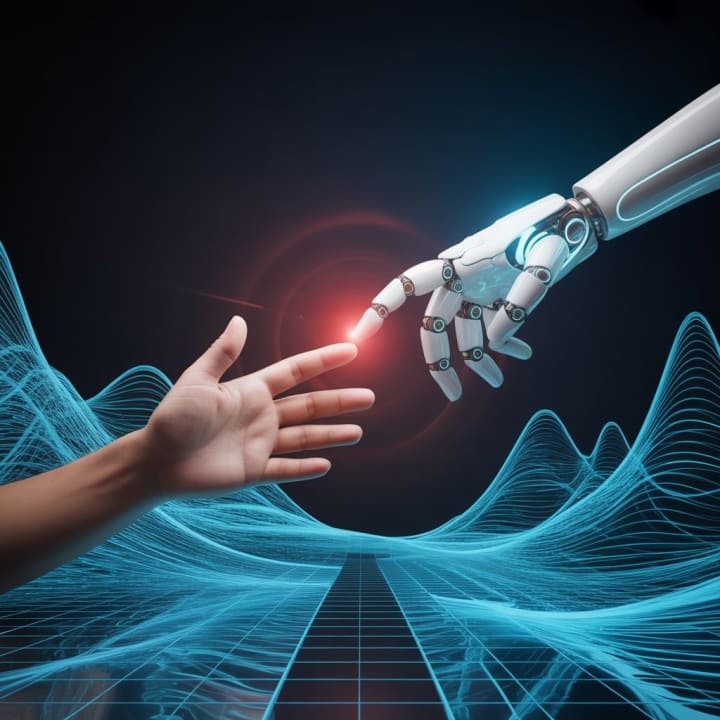
4. Creativity and Innovation: A New Frontier
Will AI replace artists, writers, and musicians? To some extent, it already creates music, generates digital art, and writes text. But creativity is more than producing content—it’s about emotion, meaning, and connection.
In the future, AI may become a collaborator rather than a competitor. Artists could use AI to spark new ideas, test variations, and push creative boundaries. Just as photography didn’t end painting, AI may open entirely new forms of expression that empower human imagination.
5. Cities and Daily Life: Smarter but Riskier
Thirty years from now, cities may run largely on AI. Self-driving cars could reduce traffic accidents. Smart grids might balance energy consumption with renewable resources. AI surveillance could improve public safety—but also risk invading privacy.
The empowerment or replacement question here depends on how societies regulate AI. If used responsibly, AI could create cleaner, safer, more efficient cities. If abused, it could lead to excessive control and loss of personal freedom.
6. Climate Change: AI as Humanity’s Ally
AI could become one of our most powerful tools against climate change. By predicting weather, optimizing energy use, and designing eco-friendly materials, AI may help humanity transition to a more sustainable future.
But again, the choice lies with us. If governments and corporations use AI mainly for profit without considering the planet, the risks will outweigh the benefits. If directed toward sustainability, AI could empower humanity to preserve life on Earth.
7. The Biggest Challenge: Ethics and Responsibility
The future of AI isn’t just about technology—it’s about values. Who controls AI? How do we prevent it from deepening inequality? Should AI systems that make life-or-death decisions (like self-driving cars or medical robots) follow universal ethical rules?
If AI is developed responsibly, it could empower humanity to solve its greatest problems. If left unchecked, it could amplify biases, increase surveillance, and concentrate power in the hands of a few.
Final Thoughts
So, will AI replace us or empower us? The answer isn’t simple—it’s both, depending on the choices humanity makes. AI will undoubtedly automate some jobs, change industries, and challenge the way we think about work, creativity, and even identity. But it also holds the potential to empower us in ways no previous technology ever has.
The next 30 years will be a test. If we approach AI with caution, ethics, and innovation, it could become one of humanity’s greatest allies. If we ignore the risks, it could threaten the very freedoms we cherish.
In the end, AI is a mirror of humanity itself. Whether it replaces us or empowers us depends not on the machines—but on the values and vision of the people who build and guide them.
About the Creator
Echoes of Life
I’m a storyteller and lifelong learner who writes about history, human experiences, animals, and motivational lessons that spark change. Through true stories, thoughtful advice, and reflections on life.
Keep reading
More stories from Echoes of Life and writers in 01 and other communities.
How Artificial Intelligence is Changing Our Daily Lives: 12 Eye-Opening Facts
How Artificial Intelligence is Changing Our Daily Lives: 12 Eye-Opening Facts Artificial Intelligence (AI) is often discussed as if it belongs only to the future. People imagine flying cars, talking robots, or machines replacing humans. Yet the reality is that AI is not just coming—it’s already here. Without even realizing it, most of us interact with AI dozens of times every day. It is quietly shaping our decisions, guiding our actions, and even making our routines easier.
By Echoes of Life5 months ago in 01
Jeff Bezos reveals the No. 1 secret behind Amazon’s trillion-dollar success, has a unique advice for young people
Jeff Bezos reveals the No.1 secret behind the company’s trillion-dollar success. He said that it can be advantageous for any company if they pay attention to customer instead of your competitor, giving a classic example of customer-driven innovation Amazon Prime. Jeff Bezos also advised young entrepreneurs to gain foundational skills through entry-level jobs like those at McDonald’s, emphasizing responsibility and resilience.
By Dena Falken Esq5 days ago in 01
Why Your Construction Business Needs a Mobile Concrete Mixer
Are you tired of waiting for concrete deliveries? Do you want more control over your construction projects? A mobile concrete mixer might be the solution you need. These machines bring concrete production directly to your job site. They eliminate delays and give you fresh concrete whenever required. In this article, we will explore how they work and why they matter. We will also discuss key factors to consider when choosing one. By the end, you will understand how a self loading concrete mixer can improve your operations. Let’s dive in and learn more about this valuable equipment.
By consrtuctionmachines2 days ago in 01


Comments
There are no comments for this story
Be the first to respond and start the conversation.