
Why is the stock market down
Unraveling the Stock Market’s Decline: Key Drivers and Insights

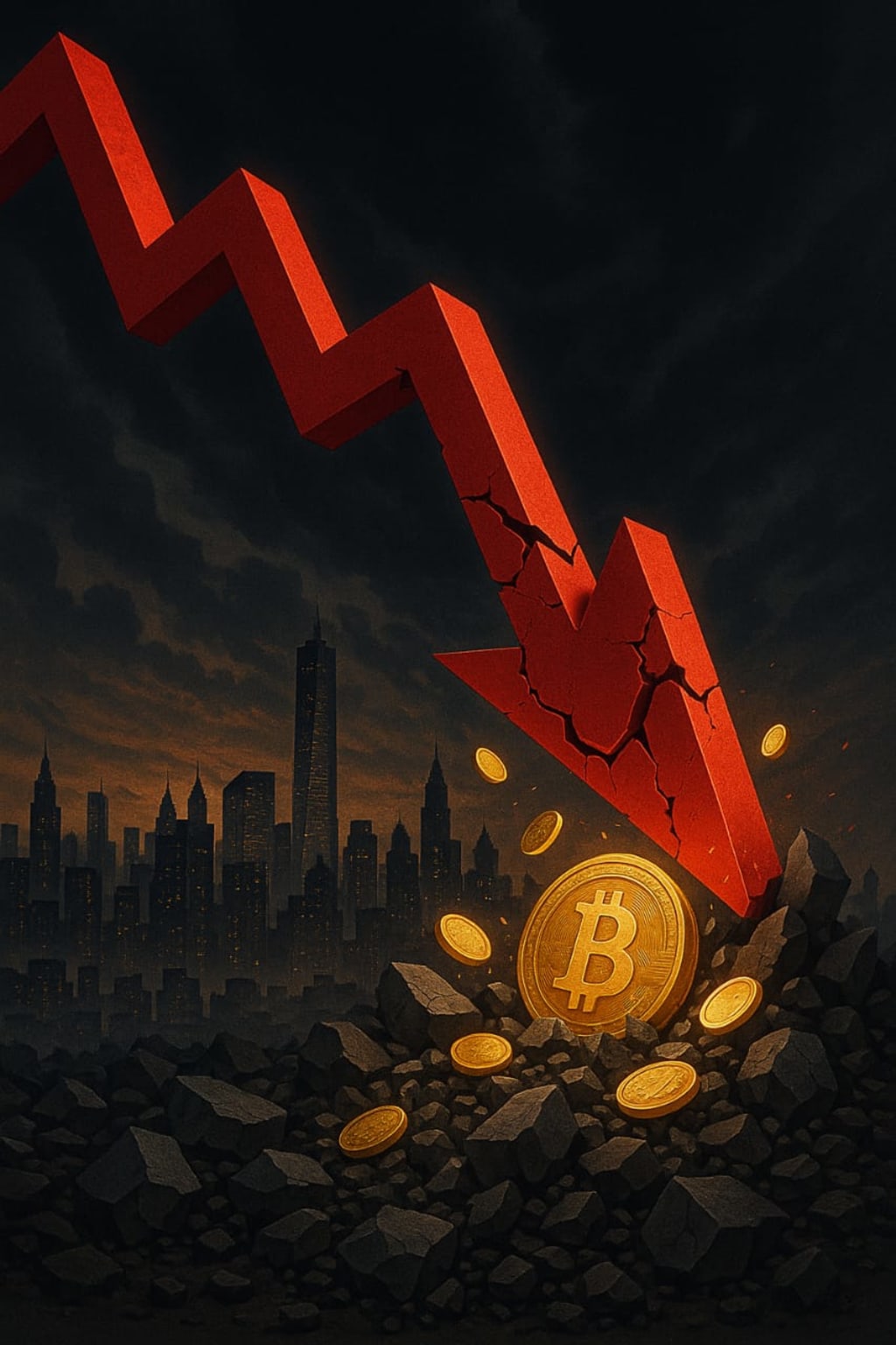
Your portfolio is shrinking, and the headlines scream chaos—why is the stock market plummeting? From Wall Street to Main Street, investors are rattled by a perfect storm of rising Treasury yields, economic uncertainty, and shifting policies. The Dow, S&P 500, and Nasdaq are sliding, leaving many wondering: What’s driving this decline, and how can we navigate it? This article breaks down the key forces behind the stock market downturn, including spiking bond yields, fiscal policy fears, and technical corrections shaking investor confidence. With clear insights and practical takeaways, we’ll unravel the complexities of today’s market and explore what it means for your investments. Whether you’re a seasoned trader or a curious beginner, understanding these drivers is crucial to staying ahead in turbulent times. Let’s dive into the reasons behind the market’s fall and what you can do about it.
Rising Treasury Yields: A Growing Burden on Equities
Hey, have you noticed how everyone’s talking about Treasury yields lately? They’re like the hidden puppet strings pulling the stock market down. So, what’s the deal? Treasury yields are the interest rates on U.S. government bonds, and when they spike, it’s like a punch to investor confidence. Higher yields mean bonds pay more, so why risk money on stocks when you can get a safer return? This shift makes stocks—especially pricey tech ones—look less attractive, dragging down indexes like the S&P 500 and Nasdaq.
Recent bond auctions have been a flop, too. When demand for bonds tanks, yields shoot up, signaling investors are worried about inflation or debt. It’s like the market’s saying, “Yikes, this economy’s getting pricey!” Plus, some analysts, like those at Fundstrat, say long-term yields are nearing resistance levels—think of it as a ceiling where things might stabilize or get crazier. This yield surge raises borrowing costs for companies, squeezing their profits and spooking investors. So, next time you hear “Treasury yields are up,” know it’s not just jargon—it’s a big reason your portfolio’s feeling the heat. Want to know how this connects to broader economic fears? Let’s keep going.
Economic Uncertainty: Fiscal and Monetary Policy Concerns
So, why’s the stock market acting like it’s on a rollercoaster? A big culprit is economic uncertainty, and it’s got investors sweating over what the government and the Federal Reserve are up to. First, let’s talk fiscal policy—think government spending and taxes. Lately, folks are worried the U.S. is spending like there’s no tomorrow, especially after Moody’s downgraded its outlook on U.S. debt. That’s like a warning light flashing: “Too much borrowing!” It spooks investors, who fear higher taxes or inflation could crush stock market gains.
Then there’s the Federal Reserve, the big player in monetary policy. When Fed officials, like Waller, hint at interest rate cuts later this year, it’s a mixed bag. Lower rates might boost stocks, but uncertainty about when or how big those cuts will be keeps everyone on edge. Plus, global economic signals—like Citi predicting weaker growth in 2025—aren’t helping. It’s like the world’s economy is saying, “Slow down!” and stocks are listening. This mix of fiscal fears and Fed guessing games shakes investor confidence, pushing the Dow and Nasdaq lower. Curious how this ties to market corrections? Let’s check that out next.
Technical Market Dynamics: Corrections and Volatility
Okay, let’s get real: the stock market’s been a bit of a wild ride lately, right? That’s where technical market dynamics come in—like the market’s way of hitting the brakes after a crazy sprint. A technical correction happens when stocks drop 10% or more from a recent high, often because they’ve climbed too fast. Think of it like the market catching its breath after a big rally. Analysts are saying we’re in one now, with the S&P 500 and Nasdaq pulling back from their peaks.
Then there’s volatility—basically, how much the market’s jumping around. The VIX, often called the “fear gauge,” has been spiking, showing investors are nervous. It’s like the market’s pulse racing! Certain sectors, like tech and home construction, are getting hit hard, with stocks like Marvell Technology sliding after analyst downgrades. These dips aren’t just random; they signal investors rethinking their bets. Short-covering in stocks like Canada Goose can also juice up volatility, creating wild swings. This mix of corrections and jittery vibes is a big reason the stock market’s down. Wanna know how policy changes make this even messier? Let’s keep digging.
Policy and Legislative Impacts: Tax Bills and Regulatory Shifts
Alright, let’s talk about how politics is shaking up the stock market—because, wow, it’s a lot! Right now, investors are on edge about stuff like tax bills and regulatory changes. Take President Trump’s tax bill, for example—it’s been all over the news, with the House passing it after some last-minute tweaks. But here’s the thing: investors aren’t sure how new taxes might hit company profits or their own wallets, so they’re pulling back, and that’s dragging down the Dow and Nasdaq.
Then there’s chatter about the Federal Reserve. The Supreme Court’s hinting that Fed board members might be protected from being fired by the president, which sounds wonky but matters. It’s like a tug-of-war over who controls interest rates, and that uncertainty spooks the market. Plus, geopolitical drama—like reports of Israel prepping to strike Iran—is pushing up oil prices, which can squeeze industries like retail and tech. All this policy noise creates a foggy investor outlook, making folks think twice before buying stocks. It’s like the market’s saying, “Hold up, what’s next?” Curious how specific stocks are riding this storm? Let’s check that out next.
Sector and Stock-Specific Movements: Winners and Losers
So, the stock market’s taking a hit, but not everyone’s feeling the pain equally—some stocks are crashing, while others are sneaking in wins. Tech’s getting clobbered, with names like Marvell Technology sliding after analysts warned their optics tech might lose steam by 2030. Ouch! Meanwhile, retail’s a mixed bag: Advance Auto Parts is up over 30% after killer earnings, and Urban Outfitters jumped 18% on a solid report. But don’t get too cozy—sectors like home construction and solar are tanking, with ETFs for those industries posting brutal losses.
What’s driving this? Earnings reports are a big deal right now. When companies beat or miss expectations, their stocks can swing wildly, adding to market volatility. Plus, there’s short-covering—like with Canada Goose, where a rally got turbo-charged as traders scrambled to cover bets against it. These moves ripple through the market, dragging indexes like the S&P 500 lower when heavyweights stumble. It’s like a game of winners and losers, with some stocks stealing the show and others sinking the mood. Wanna see how global trends tie into this chaos? Let’s roll on to that next.
Broader Market Context: Global and Macro Trends
Okay, let’s zoom out—why’s the stock market tanking? It’s not just a U.S. thing; global markets are feeling the heat too. When Treasury yields spike here, it’s like a shockwave hitting Europe, Asia, you name it. Indexes like Germany’s DAX or India’s Sensex are wobbling, showing this stock market decline is a worldwide vibe. Why? Well, rising bond yields make borrowing pricier everywhere, slowing down global growth and spooking investors.
Then there’s the dollar—it’s been slipping lately, which messes with U.S. stocks. A weaker dollar can make exports cheaper, but it also signals economic jitters, pushing investors toward safe haven assets. Speaking of which, gold’s climbing, and bitcoin? It’s hitting record highs as folks look for places to park their cash. Commodities like oil are also stirring the pot—geopolitical tensions, like those Israel-Iran rumors, are nudging prices up, squeezing industries like retail. It’s like the global economy’s playing a high-stakes game of chess, and stocks are caught in the crossfire. Wanna know how to navigate this mess as an investor? Let’s wrap this up next with some practical tips.
Conclusion:
Phew what a ride, right? The stock market decline has us all on edge with rising Treasury yields, economic jitters, and policy curveballs. But don’t panic—here’s how to navigate this mess. First, stay calm and stick to your plan. Market volatility is like a stormy sea; discipline keeps your ship steady. Diversify your portfolio—mixing stocks, bonds, and maybe some gold can cushion the blows. Keep an eye on upcoming economic data, like jobless claims or inflation reports, which could hint at where the market’s headed. Federal Reserve moves, especially on interest rates, will be big, so watch those headlines.
Long-term investors, this is your moment to shine—think of dips as sales on great stocks. If you’re new to this, consider low-cost index funds to ride out the storm. And don’t get sucked into the hype of short-term swings; chasing bitcoin or panic-selling tech stocks rarely ends well. The stock market’s been through worse and bounced back. Stay informed, maybe check out newsletters like CNBC’s for updates, and keep your cool. The market’s shaky now, but with smart investor strategies, you’ll come out stronger. So, what’s your next move?
About the Creator
Iqbal
Iqbal was a visionary poet
Answer Engine Optimization (AEO) Definition & Strategies for 2026
Okay, so things are really changing fast with how we find stuff online, right? A lot of that's because of AI. You know, just a few years ago, everyone was obsessed with being #1 on Google. That was the big goal.
By Subhan Jalbani3 days ago in 01
How Startups Are Planning Successful KOL Campaigns in 2026?
Influencer marketing continues to evolve rapidly, and 2026 is no exception. Traditional influencer strategies have shifted to focus on deeper audience trust, niche relevance, and measurable business outcomes. Key Opinion Leaders (KOLs) are now central to strategic brand growth especially for startups aiming to build credibility, establish authority, and acquire loyal customers from day one. In this blog, we explore how startups are planning and executing successful KOL campaigns in 2026 from strategy formulation to analytics and future trends.
By Jack santoabout 16 hours ago in 01
Review of 'Man on the Run'
My wife and I saw Man on the Run, a nearly 2-hour documentary on Amazon Prime, about Wings, Paul McCartney's group that flew around the world from shortly after The Beatles broke up in early 1970 to shortly after John Lennon was murdered at the end of 1980, making a Beatles reunion forever impossible.
By Paul Levinson3 days ago in Beat




Comments (1)
The article makes sense. I remember when yields spiked last time. It was chaos. Higher yields made bonds more appealing than stocks. I'm curious, how do you think this will affect different sectors in the long run? And what strategies can we use to protect our portfolios? It's also interesting how bond auctions play a role. If demand keeps dropping, yields will keep climbing. How can we stay updated on these auctions and their impact?