
Why Concrete Batching Plants Are on the Rise
Discover the reasons behind the growing demand for concrete batching plants and practical tips to secure the best investment for your projects.


Concrete batching plants have seen a significant increase in demand worldwide. This surge is driven by expanding infrastructure projects, rapid urbanization, and the growing need for efficient, high-quality concrete production. As more industries and governments invest in construction and development, concrete batching plants are becoming indispensable tools for contractors and builders. Understanding the factors behind their rising popularity and knowing how to get the best deal when purchasing one can help businesses optimize their investments.
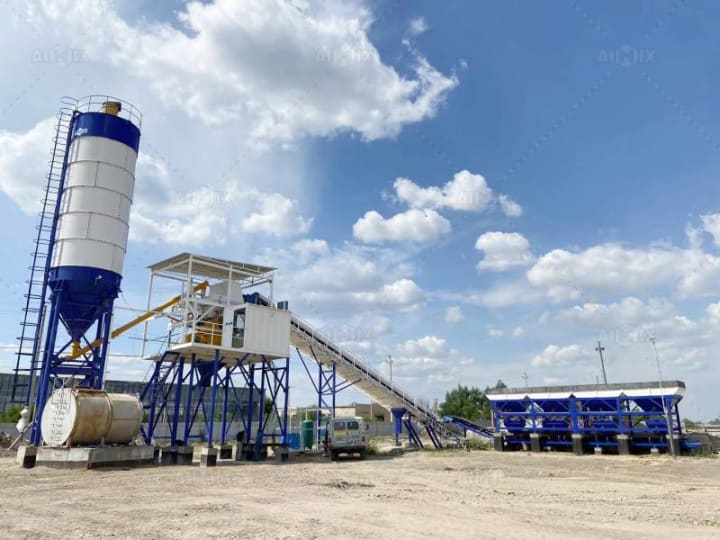
Why Concrete Batching Plants Are on the Rise
1. Growing Infrastructure Development
Countries around the globe are investing heavily in infrastructure projects such as roads, bridges, airports, and railways. Developing nations in Asia, Africa, and South America are experiencing rapid urbanization, leading to increased demand for residential and commercial buildings. Governments are allocating significant budgets to infrastructure renewal and expansion, creating a steady demand for concrete batching plants to meet project timelines and quality standards.
For instance, China’s Belt and Road Initiative and India’s Smart Cities Mission have significantly boosted the need for reliable and efficient concrete production solutions. In developed regions like North America and Europe, aging infrastructure requires extensive upgrades and replacements, further increasing the need for batching plants.
2. Efficiency and Time-Saving Advantages
Concrete batching plants offer significant advantages in terms of efficiency and productivity. These plants streamline the process of mixing and delivering concrete, allowing construction projects to proceed faster and with fewer interruptions. Mobile concrete mixer lants, in particular, have gained popularity due to their portability and ability to produce concrete on-site, eliminating the need for transportation from central mixing plants.
The ability to produce concrete consistently and quickly helps contractors meet tight deadlines and reduce labor costs. This efficiency is crucial for large-scale projects where delays can lead to financial penalties and other complications.
3. Technological Advancements
Modern concrete batching plants have embraced automation, digital controls, and precision mixing technology. Automated systems ensure accurate proportions of aggregates, cement, water, and additives, leading to high-quality concrete production with minimal waste. Features such as real-time monitoring, remote operation, and predictive maintenance have made batching plants more reliable and user-friendly.
Innovations like eco-friendly batching plants, which reduce dust and emissions, are also on the rise due to stricter environmental regulations. These technologies not only improve the quality of concrete but also align with sustainable construction practices.
4. Increasing Demand for Ready-Mix Concrete
The demand for ready-mix concrete (RMC) is growing as construction projects seek faster and more convenient ways to acquire concrete. Ready-mix concrete is produced in batching plants and delivered to construction sites, offering consistency and quality assurance. The growing preference for RMC has driven the expansion of batching plant installations worldwide.
Urban areas, where space constraints make on-site mixing difficult, particularly benefit from ready-mix concrete services. This trend is contributing to the increased deployment of stationary and mobile batching plants to support RMC production.
5. Customization and Versatility
Concrete batching plants are now more versatile and customizable than ever before. Whether a project requires high-capacity stationary concrete mixing plants for large-scale construction or mobile plants for remote sites, there is a solution available to meet diverse needs. This flexibility makes batching plants suitable for a wide range of applications, including precast concrete manufacturing, road construction, dam projects, and high-rise buildings.

How to Get the Best Deal on a Concrete Batching Plant
With the rising demand for concrete batching plants, it’s essential to make an informed decision when purchasing one. Here are some key tips to help you get the best deal:
1. Define Your Requirements
Before purchasing a batching plant, clearly define your project requirements. Consider factors such as the type of concrete you need, production capacity, site location, and mobility needs. Knowing your exact requirements will help you choose between stationary, mobile, or compact plants, ensuring you don’t overspend on unnecessary features.
2. Compare Suppliers and Brands
Research multiple suppliers and compare the features, quality, and pricing of their batching plants. Trusted brands like Aimix, Liebherr, QCL, and Aicrane offer reliable solutions with varying price points. Look for suppliers who have a proven track record, positive customer reviews, and after-sales support.
3. Evaluate Total Cost of Ownership
The initial purchase price is only part of the cost equation. Evaluate the total cost of ownership, which includes maintenance, spare parts, fuel or electricity consumption, and labor. A slightly more expensive plant with lower operating costs and better durability may offer greater long-term savings.
4. Consider Used or Refurbished Options
If you are working with a tight budget, consider purchasing a used or refurbished batching plant. Many suppliers offer certified pre-owned equipment that has been inspected and restored to good working condition. This option can provide significant savings without compromising quality.
5. Negotiate and Look for Discounts
Don’t hesitate to negotiate with suppliers, especially if you are buying in bulk or investing in additional equipment. Suppliers may offer discounts, promotional deals, or flexible financing options to secure your business. Always ask about warranties, training, and maintenance packages that can add value to your purchase.
6. Consider Importing from Low-Cost Regions
Regions like China and India offer high-quality concrete batching plants at competitive prices due to lower manufacturing costs. If you are open to importing, research reliable suppliers in these regions and factor in shipping costs, import duties, and potential lead times.
7. Prioritize After-Sales Support
A reliable after-sales support system, including maintenance services, spare parts availability, and operator training, is crucial. Opt for suppliers who offer comprehensive support to ensure smooth operation and minimal downtime.

Conclusion
The rising demand for concrete batching plants is driven by global infrastructure development, technological advancements, and the need for efficient concrete production. By understanding your project requirements, comparing suppliers, evaluating total costs, and negotiating for the best deals, you can make a smart investment in a batching plant that meets your needs. As the construction industry continues to grow, having a reliable batching plant can give your business a competitive edge and ensure long-term success.
About the Creator
consrtuctionmachines
AIMIX is a customer-center-oriented heavy equipment manufacturer and supplier, devoted to production, innovation, combination, one-stop solution, etc.
https://aimixgroup.com/
Keep reading
More stories from consrtuctionmachines and writers in 01 and other communities.
How to Find a Suitable Mobile Concrete Pump for Sale in an Exhibition
When looking for a mobile concrete pump for sale, attending an exhibition can be an excellent opportunity to explore various models, meet manufacturers and suppliers, and make informed decisions. Exhibitions provide a unique chance to interact with industry experts, test out the equipment firsthand, and compare prices and features across multiple vendors. However, finding the right mobile concrete pump can be a complex task, requiring careful evaluation of factors such as pump specifications, supplier reputation, and after-sales service.
By consrtuctionmachinesabout a year ago in 01
The Universe is Lazy
"The universe is lazy" everything pushing toward higher entropy. Humans spend their waking life fighting entropy. It's not that we aren't contributing to it. It's not that we aren't aware of it, mortality is a constant bitter-sweet reminder. However, every day we must consume, take in as much energy as humanly possible. Just to continue on. We are the embodiment of forced entropy, right up until we succumb to it.
By Scott Murray5 days ago in 01
I wanted to title this something different, but worried that my chosen title might cause problems entering the United States in the future so this is the new title. It's the greatest title. No one has ever written a title better than this. (All titles unrelated to content).
Let me be honest. I am finding this difficult. Now, I like a challenge, a stretch, a bit of an obstacle course. “Write about the decline of the British Empire in the form of a narrative poem in which your protagonist is an artichoke” I read, and flex my fingers. “Write a haiku to evoke the sensation of sibilance using only the first half of the alphabet.” “Well”, I think to myself, “this should be fun.” But “write about a system that isn’t working”? A system that isn’t working? Now? In 2026? ONE system? My favourite system that isn’t working? The sexiest system that isn’t working? The one giving me the most angst day to day? The one giving me the most existential dread? I am, as I say, finding this difficult. I will own that I have contemplated writing a thousand words on why the steady “all on” setting on my fairy lights is the EIGHTH of seven options which must be sequentially activated to get there, because that is a system that some fool came up with and it definitely doesn’t work, and now who is paying the price, eh? But how can I write about my fairy lights when…. When…. When….
By Hannah Moore6 days ago in Humans




Comments
There are no comments for this story
Be the first to respond and start the conversation.