
Why all the screens are Rectangular?
The first screens were actually circular in shape, The Second screen ratio was 4:3, The Reason why all screens are Rectangular


In today's world, we are surrounded by screens. From our smartphones to our televisions and computer monitors, screens are integral part of our daily lives. And if you've ever stopped to think about it, you might have noticed that almost all screens are rectangular in shape. But have you ever wondered why that is?
To answer this question, we need to take journey back in time. The first screens were actually circular in shape. They were used in early cathode ray tube (CRT) televisions, which were popular in the mid-20th century. However, these circular screens were not very efficient, as they didn't use the available space on the screen effectively. As result, manufacturers began to experiment with different shapes and sizes for their screens.
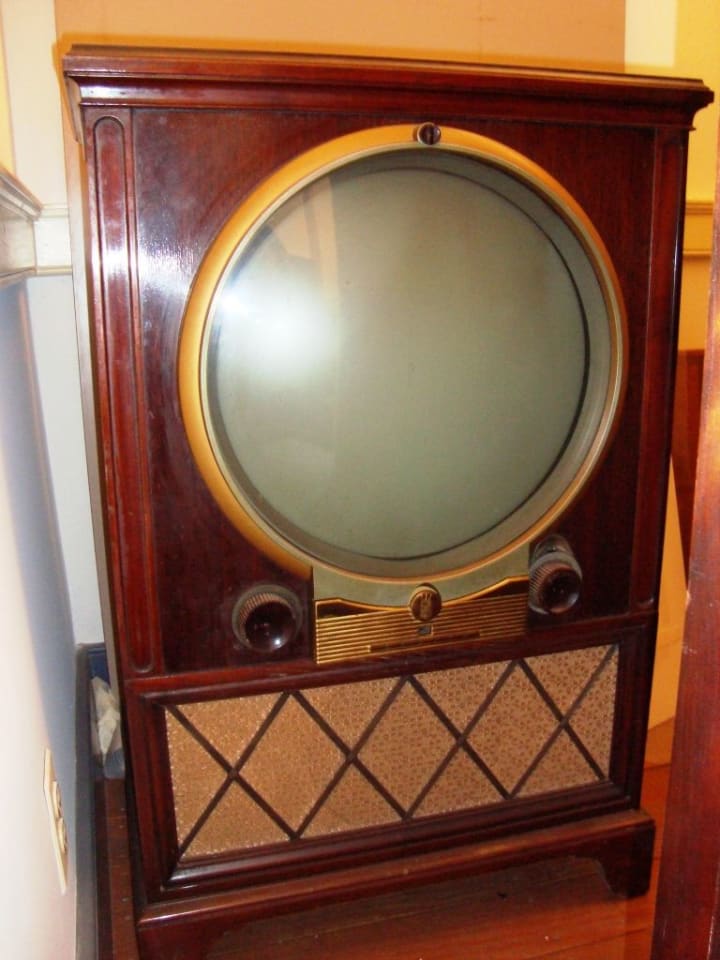
In the 1950s, the rectangular shape became more popular. One reason for this was the rise of the aspect ratio. The aspect ratio is the ratio of the width to the height of a screen, and it plays crucial role in determining the shape of the screen. The aspect ratio of the rectangular screen is 4:3, which means that the width of the screen is four times the height.
The 4:3 aspect ratio was first introduced in the 1950s and quickly became the standard for television screens. This was largely due to the fact that it was the most efficient use of the available screen space. It allowed for wider viewing angle and provided more immersive viewing experience. Additionally, the 4:3 aspect ratio was compatible with the majority of films, which were shot in the same aspect ratio.
However, as technology continued to advance, so did the need for different aspect ratio. In the 1990s, the widescreen aspect ratio of 16:9 was introduced. This new aspect ratio provided a wider viewing area and more cinematic experience. It was also better suited to the growing popularity of digital media, as it was compatible with DVDs and Blu-rays.
But why are these screens still rectangular? One reason is that it's simply more practical. Rectangular screens are easier to manufacture and produce, which means they can be made in larger quantities and sold at lower cost. Additionally, rectangular screens are more versatile, as they can be used in variety of different devices, from televisions to smartphones to tablets.
There's also psychological component to the rectangular screen. Humans are naturally drawn to rectangles, as they are symmetrical and easy to process visually. This is why many advertisements and logos are designed using rectangular shapes.
Another factor that has influenced the shape of screens is the need for compatibility. As technology continues to advance, it's important that screens are compatible with wide range of devices and media. The rectangular shape has become the standard for screens because it is compatible with the majority of media formats, from films to television shows to digital content.
But while the rectangular screen may be the most practical and efficient shape, it's not the only option. In recent years, there has been growing trend toward curved screens. These screens are designed to provide a more immersive viewing experience, as they wrap around the viewer and create sense of depth. However, curved screens are still relatively new and are not yet as widely available as rectangular screens.
In conclusion, the reason why all screens are rectangular is combination of practicality, compatibility, and psychological factors. The rectangular shape has become the standard for screens because it is the most efficient use of available space, it is compatible with the majority of media formats, and it is visually appealing to humans. While there may be other shapes that provide more immersive viewing experience, the rectangular screen remains the most versatile and widely used shape for screens.
About the Creator
MD
I am a poet and writer, entwined in passionate embrace with souls of poets, penning love letters to their words.
If you love my poets give a like, leave comments and share them with love. Don't forget to subscribe to my profile.
Thank you!
Why High-Quality Carpets Matter for Masjid Interiors
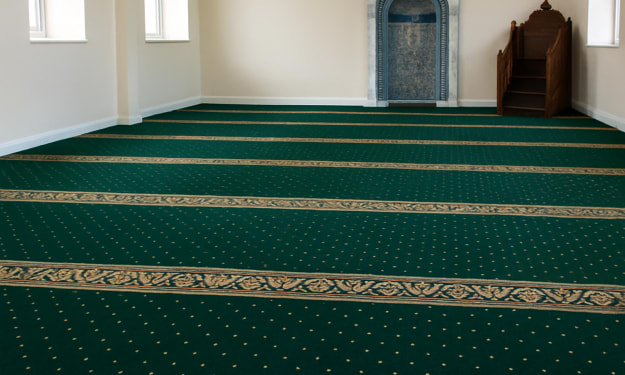
The interior of a masjid is more than just a physical space. It is a place of worship, reflection, unity, and peace. Every design choice within this sacred environment plays a role in shaping the experience of those who enter. Among these choices, carpeting holds a uniquely important position. It directly affects comfort, focus, aesthetics, and the overall spiritual atmosphere. Investing in high-quality carpets is not simply a design decision but a long-term commitment to the well-being of the community.
By Cavalier Carpets7 days ago in 01



Comments (1)
Interesting Fact