
Who Benefits Most from Pocket Hearing Aids? An In-Depth Look
Most Pocket Hearing Aids

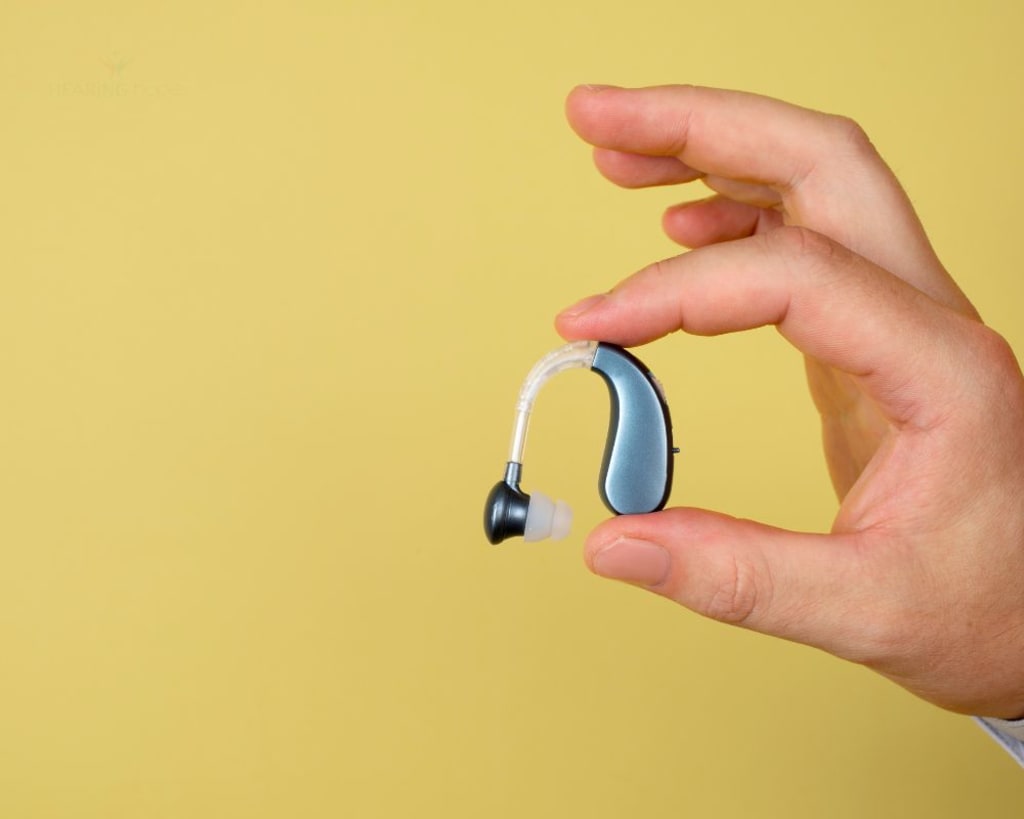
Hearing aids come in various forms, from behind-the-ear (BTE) models to completely-in-canal (CIC) devices. Among these options, pocket hearing aids hold a unique place. Designed with a separate unit that is typically clipped to a pocket or belt and connected to an earpiece via a wire, pocket hearing aids offer distinct advantages. This article explores who benefits most from pocket hearing aids, examining their features, advantages, potential drawbacks, and how they can improve the lives of specific user groups.
Understanding Pocket Hearing Aids
What are Pocket Hearing Aids?
Pocket hearing aids consist of two main components: the body-worn unit, which houses the microphone, amplifier, and controls, and the earpiece that delivers sound to the ear. The body-worn unit can be clipped to a pocket, belt, or placed in a bag, connected to the earpiece through a thin wire.
How Do Pocket Hearing Aids Work?
Pocket hearing aids operate by amplifying sound. Here’s a step-by-step explanation:
Microphone: The body-worn unit captures sound waves from the environment using its microphone.
Amplifier: These sound waves are converted into electrical signals and amplified within the body-worn unit.
Receiver: The amplified signals travel through the wire to the earpiece.
Speaker: The earpiece delivers the amplified sound directly into the ear canal.
Advantages of Pocket Hearing Aids
High Power Output
One of the significant benefits of pocket hearing aids is their high power output. Because the main components are housed in a larger unit, they can accommodate more powerful amplifiers and larger batteries, making them suitable for individuals with severe to profound hearing loss.
Ease of Use
Pocket hearing aids are straightforward to use, with larger controls that are easy to see and manipulate. This makes them an excellent choice for individuals with dexterity issues or visual impairments, who might struggle with the small controls on other types of hearing aids.
Durability and Reliability
The larger size of pocket hearing aids means they can be more robust and durable than smaller models. They are less likely to be damaged by drops or mishandling, making them a reliable option for users who need a sturdy device.
Cost-Effectiveness
Generally, pocket hearing aids are more affordable than other high-power hearing aids. Their design and technology are less complex, which can result in a lower cost for the user. This makes them an attractive option for individuals on a budget.
Who Benefits Most from Pocket Hearing Aids?
Elderly Individuals
Elderly individuals often face multiple challenges, including severe hearing loss, dexterity issues, and visual impairments. Pocket hearing aids are ideal for this demographic due to their high power output and ease of use. The larger controls are easier to manipulate, and the device can be comfortably worn in a pocket or on a belt, making it accessible and convenient.
Individuals with Severe to Profound Hearing Loss
Those with severe to profound hearing loss require powerful amplification to hear effectively. Pocket hearing aids, with their high power output, can provide the necessary amplification, making them suitable for individuals with significant hearing impairment. The robust amplification capabilities can make a considerable difference in the quality of life for these users.
People with Dexterity Issues
People with conditions such as arthritis or tremors may find it challenging to handle small hearing aids. Pocket hearing aids offer a solution with their larger, easily accessible controls. The body-worn unit can be operated with minimal fine motor skills, making these devices more user-friendly for individuals with dexterity issues.
Visually Impaired Users
Visually impaired users often find it difficult to manage the small controls on traditional hearing aids. Pocket hearing aids, with their larger and more tactile controls, are easier to operate without relying on vision. This design feature enhances usability for those with visual impairments.
Users in Noisy Environments
Pocket hearing aids are effective in noisy environments due to their ability to provide high levels of amplification. They can be particularly useful for individuals who need to hear in settings with significant background noise, such as busy streets or social gatherings. The separation of the microphone from the ear can also help reduce feedback, improving sound quality in challenging listening environments.
Potential Drawbacks of Pocket Hearing Aids
Size and Visibility
The larger size of pocket hearing aids makes them more visible compared to smaller, more discreet models like CIC or ITE hearing aids. This can be a disadvantage for users who prefer a less conspicuous hearing aid.
Wires
The presence of a wire connecting the body-worn unit to the earpiece can be seen as cumbersome. The wire can get tangled or caught on clothing, which might be inconvenient for some users.
Limited Features
Pocket hearing aids may lack some of the advanced features found in modern digital hearing aids, such as directional microphones, Bluetooth connectivity, or noise reduction algorithms. Users who need these advanced features might find pocket hearing aids less appealing.
Maintenance and Care
Cleaning and Handling
Maintaining pocket hearing aids involves regular cleaning and proper handling to ensure optimal performance:
Daily Cleaning: Wipe the body-worn unit and earpiece with a soft, dry cloth. Avoid using water or cleaning agents.
Wire Management: Check the wire for any signs of wear or damage and ensure it remains untangled.
Storage: Store the device in a dry, cool place when not in use, preferably in a protective case.
Battery Management
Pocket hearing aids typically have larger batteries, which last longer but still require regular monitoring and replacement. Keep spare batteries on hand to ensure continuous use.
Regular Check-Ups
Regular check-ups with an audiologist are crucial to ensure the device functions correctly and to make any necessary adjustments.
Advances in Pocket Hearing Aid Technology
Improved Amplification
Recent advancements have improved the amplification capabilities of pocket hearing aids, providing clearer and more powerful sound. Enhanced amplifiers and better sound processing algorithms contribute to a more natural hearing experience.
Feedback Reduction
Modern pocket hearing aids incorporate advanced feedback suppression technology, reducing the likelihood of the high-pitched whistling sounds that can occur with amplified sound leakage.
Durability Enhancements
Technological improvements have led to more durable materials and construction methods, increasing the lifespan of pocket hearing aids and making them more resistant to daily wear and tear.
Choosing the Right Pocket Hearing Aid
Consult an Audiologist
Consulting with an audiologist is essential before selecting a pocket hearing aid. An audiologist can conduct a thorough hearing assessment, recommend suitable models, and ensure a proper fit.
Consider Your Lifestyle
When choosing a pocket hearing aid, consider your lifestyle and specific needs. Factors such as your level of hearing loss, dexterity, visual acuity, and typical listening environments should influence your decision.
Evaluate Features and Budget
While pocket hearing aids are generally more affordable, it's important to balance cost with the features you need. Evaluate the available features and choose a device that meets your requirements without exceeding your budget.
Conclusion
Pocket hearing aids offer a powerful, reliable, and user-friendly solution for individuals with severe hearing loss, dexterity issues, or visual impairments. Their high power output, ease of use, and durability make them particularly beneficial for elderly users and those in noisy environments. While they may lack some of the advanced features of modern digital hearing aids, their cost-effectiveness and simplicity make them an attractive option for many.
By understanding who benefits most from pocket hearing aids and considering your specific needs, you can make an informed decision about whether these devices are right for you. Consulting with an audiologist and evaluating your lifestyle and budget will help you choose the best pocket hearing aid to improve your hearing experience and enhance your quality of life.
About the Creator
Hearing Hope
Our mission is to improve the health of our community by providing high quality, comprehensive hearing care in a welcoming and compassionate environment.
Keep reading
More stories from Hearing Hope and writers in 01 and other communities.
A Beginner's Guide to Bluetooth Hearing Aids
In today's digital age, hearing aids have evolved far beyond their initial function of merely amplifying sound. The integration of Bluetooth technology into hearing aids has revolutionized the way users experience sound and connectivity. This guide aims to provide a comprehensive overview for beginners on Bluetooth hearing aids, focusing on their benefits, functionality, and why they represent a crucial hearing care solution in Delhi.
By Hearing Hope2 years ago in 01
Data-Driven Configuration Suggestions for Batch Asphalt Plants
Asphalt mixing plant manufacturers can significantly enhance client satisfaction by providing data-driven configuration suggestions for batch asphalt plants. By analyzing factors such as production scale, material types, and operational goals, manufacturers can tailor recommendations that align equipment performance with client needs. This approach not only optimizes production efficiency but also helps clients maximize their investments in asphalt mixing technology.
By Macroad Asphalt Plant6 days ago in 01
The Most Popular Types of Steel in Industry
Steel remains the backbone of modern industry. From towering skyscrapers to precision surgical instruments, this versatile alloy shapes our world in countless ways. But not all steel is created equal. Different compositions and treatments yield materials with vastly different properties, each suited to specific industrial applications.
By Sommersangabout 12 hours ago in 01




Comments
There are no comments for this story
Be the first to respond and start the conversation.