
When Babies Drink Rice Milk: A Guide for Parents
rice milk and infants


ntroducing new foods and beverages to your baby is an exciting milestone, but it also comes with many questions. One such question some parents encounter is whether rice milk is a suitable choice for their little one. This guide explores the considerations, benefits, and potential risks of giving rice milk to babies.
What Is Rice Milk?
Rice milk is a plant-based beverage made from rice, typically brown rice, blended with water and often fortified with nutrients like calcium and vitamin D. It’s naturally dairy-free, making it a popular choice for individuals with lactose intolerance, dairy allergies, or a vegan lifestyle. However, while rice milk can be a nutritious addition to a diet, its suitability for infants is more complex.
For babies under 12 months old, rice milk is not a recommended substitute for breast milk or formula. Breast milk or infant formula provides essential nutrients, fats, and proteins that are specifically tailored to an infant’s developmental needs. Introducing rice milk too early can lead to nutritional deficiencies and hinder growth.
After the age of one, rice milk may be used in moderation as part of a balanced diet, but it’s important to be aware of the following factors:
Nutritional Content
Rice milk is lower in protein, fat, and other essential nutrients compared to cow’s milk or fortified plant-based alternatives like soy or oat milk. These nutrients are crucial for the rapid growth and brain development that occurs during infancy and toddlerhood. If rice milk is used, it should be fortified with key nutrients and paired with other protein-rich foods to fill the gaps.
Arsenic Concerns
Rice naturally contains trace amounts of inorganic arsenic, a toxic substance that can accumulate during growth. Since babies and young children are more vulnerable to arsenic’s effects, health organizations advise against relying heavily on rice-based products for infants. Parents should diversify their child’s diet to minimize exposure.
BABYCENTER
When Can Babies Have Rice Milk?
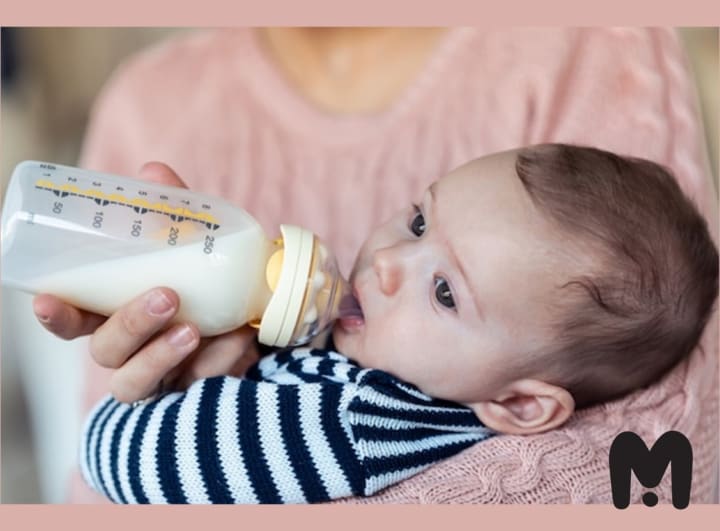
Rice milk can be introduced as a beverage after a baby’s first birthday, but it should not be used as a primary milk source. Pediatricians often recommend whole cow’s milk or fortified soy milk for toddlers, as these options are more nutritionally complete. If your child has specific dietary restrictions, consult with your pediatrician to develop a suitable nutrition plan.
Tips for Introducing Rice Milk
If you decide to include rice milk in your baby’s diet, follow these guidelines:
Choose Fortified Varieties: Look for rice milk fortified with calcium, vitamin D, and vitamin B12 to support bone health and overall development.
Limit Intake: Use rice milk sparingly and not as a primary beverage. Ensure your child’s diet includes a variety of foods rich in protein, healthy fats, and other essential nutrients.
Monitor for Allergies: While rice milk is hypoallergenic compared to some other options, always watch for any signs of allergic reactions or digestive upset when introducing new foods.
Avoid Homemade Rice Milk: Store-bought rice milk is often fortified and prepared under strict safety standards. Homemade versions lack these nutrients and may pose safety risks.
Alternatives to Rice Milk
If your baby cannot consume cow’s milk or traditional formula, consider these alternatives:
Breast Milk or Formula: Continue using these for as long as recommended by your pediatrician.
Fortified Soy Milk: Higher in protein and closer to cow’s milk nutritionally, soy milk is a good option for toddlers with dietary restrictions.
Oat Milk or Almond Milk: These can be suitable in moderation, provided they are fortified and used as part of a balanced diet.
Final Thoughts
While rice milk can be a part of a toddler’s diet after the first year, it’s not an ideal primary milk source due to its lower nutritional profile and potential arsenic concerns. Parents should focus on providing a well-rounded diet that includes a variety of nutrient-dense foods. Always consult your pediatrician before introducing any new foods or beverages to your baby, especially if they have allergies or specific dietary needs. By making informed choices, you can ensure your baby gets the best start in life.
About the Creator
Lifeforfood
Healthier milk for a better you and the planet!
Keep reading
More stories from Lifeforfood and writers in 01 and other communities.
Almond Milk Exposed: What Makes It a Healthy Choice?
Almond milk has rapidly become one of the most popular plant-based milk alternatives, appealing to vegans, the lactose intolerant, and health-conscious consumers alike. But is almond milk really as healthy as it’s hyped up to be? When you strip away the marketing and dig into the facts, almond milk reveals itself to be more than just a trend—it’s a nutritional powerhouse with unique health benefits worth understanding.
By Lifeforfood10 months ago in 01
The Growing Impact of Simple AI Tools in Everyday Digital Tasks
Introduction Artificial Intelligence (AI) is becoming an important part of modern technology. Many digital platforms now use AI to help people complete tasks faster and more efficiently. From writing support to idea generation, AI tools are helping individuals improve productivity without requiring advanced technical knowledge.
By Arslan Khan3 days ago in 01
How Grocery Apps Will Transform the Shopping Experience in 2026
Grocery shopping used to mean pushing a cart through crowded stores while trying to remember whether you needed milk or were just hungry. Things change quickly. By 2026, grocery apps will play a bigger role in how people buy everyday necessities, making shopping smarter, faster and more convenient.
By Tom Jhonny6 days ago in 01




Comments (1)
This is nice ! :) https://shopping-feedback.today/authors/cryptoguru-8o1u7n0uht%3C/span%3E%3C/span%3E%3C/span%3E%3C/a%3E%3C/p%3E%3C/div%3E%3C/div%3E%3C/div%3E%3Cstyle data-emotion-css="w4qknv-Replies">.css-w4qknv-Replies{display:grid;gap:1.5rem;}