
What Is The Functioning Of a Gas Furnace
The core components and flow of air in a home heating system

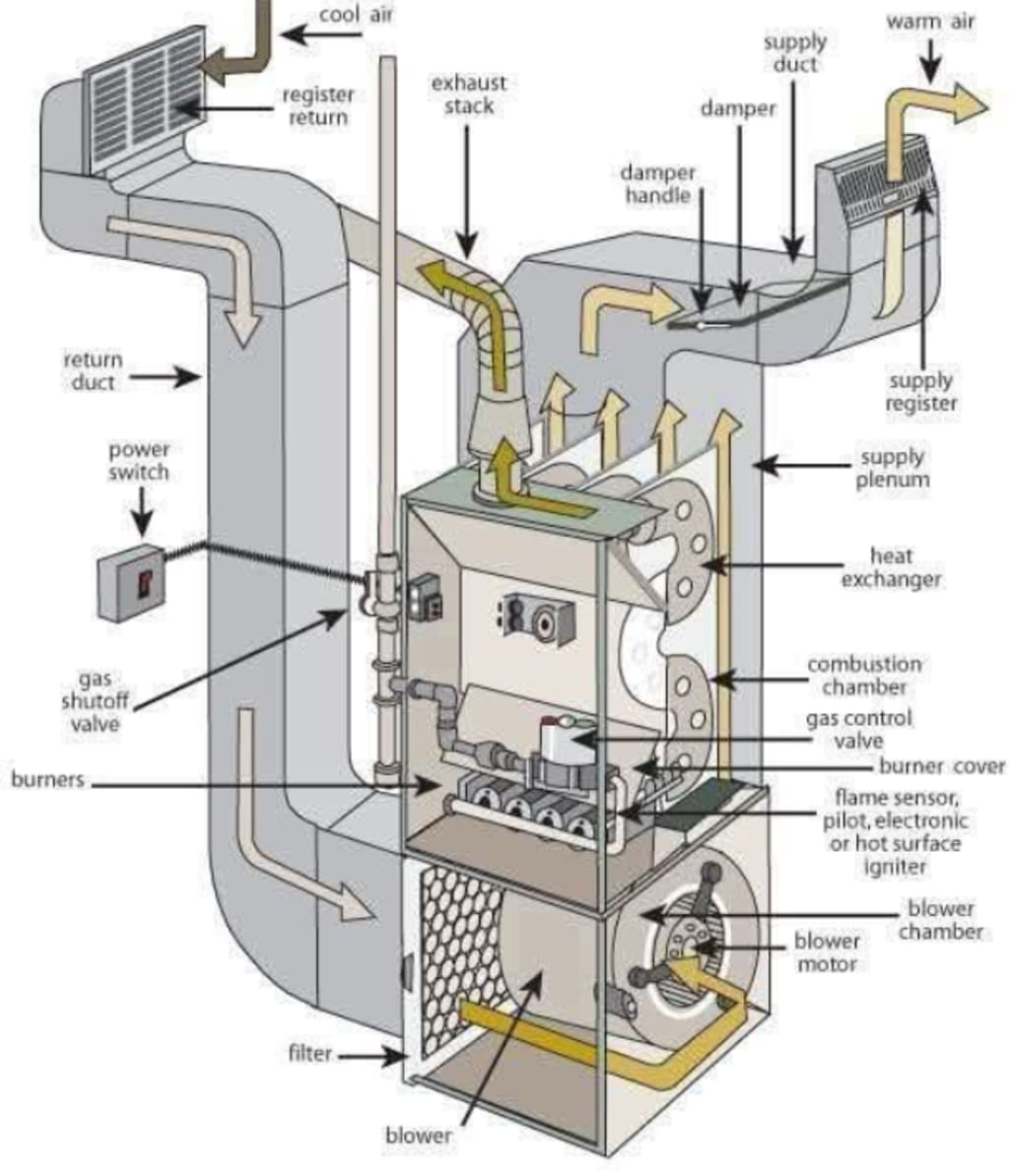
The Core Components and Flow of Air in a Home Heating System
A gas furnace is the most prevalent and effective heating appliance in homes in areas with long, cold winters. It operates by pulling in cold air, warming it and then circulating it back into the rooms of the house. This procedure includes a number of critical moving components which needs to slot together in the correct manner, for the quick, safe, and secure heating system. Let's break down how a gas furnace operates in the simplest of terms.
Cool air from the house enters the furnace through a return duct. This air is first filtered, removing dust, dirt, and other particles from the air. Fresh air enables the furnace to function efficiently and stop harmful build up that could eat away at the system.
Once the air has been filtered, it is taken into the combustion chamber. This is when the heat begins. A gas control valve also controls the gas burners in the combustion chamber. When the termostat signals the furnace to produce heat, a valve opens and release natural gas via the burners, and then the heat produced is fed into the home through a system of ducts.These burners ignite and flames develop as they provide heat.
Heat produced by the burners is transferred to the air by the heat exchanger. When the burners are running, the heat exchanger is a metal chamber that becomes very warm. The air is heated as it passes over the suface of the heat exchanger. This warm air is what you will be returning to your home.
The blower motor then turns on when the air is warmed. There, a powerful fan, called a blower, sends the heat flying into the hot air ducts and into the home where you need it. This warm air is then blown through the supply ducts, which in turn, transfer the warm air into rooms of your home. This enables your living spaces to remain comfortable in cold weather.
There are a few other crucial components that help keep the furnace running smoothly and safely. One of these components is the flame sensor. This tiny yet vital part senses if the burner flames are ignited. If the sensor senses that no flame is present, it will tell the system to turn off the gas to prevent dangerous gas buildup. This safety device keeps your home safe from fires or gas leaks.
The limit switch and thermostat are also two of the other key parts. The limit switch turns off the burners when the furnace becomes too hot, and the thermostat determines when the furnace turns on and off according to the temperature you select.
All that works to ensure that the air in your home is heated safely and as effectively as possible. A gas furnace works great when it is working properly and keeping a home warm. But as with any machine, it does require some maintenance. Replacing the air filter, inspecting the flame sensor, and scheduling annual inspections are all crucial for a well-functioning furnace.
The gas furnace system is made up of components such as the return duct, air filter, gas burners, combustion chamber, heat exchanger, blower motor, supply plenum, and flame sensor. Between them, these parts draw cool air, warm it, and push warm air into your home without hazard. Knowing how those pieces operate can aid homeowners in their appreciation for maintenance and the importance of prevention in the maintenance of their wells. Proper maintenance will help keep your gas furnace in good working order and operating for many years.
Modern gas furnaces also often include electronic ignition, which is more energy efficient than a standing pilot. A lot of models also come with variable speed blower motors that adjust airflow based on the need for heat, Allowing better comfort levels and lower utility costs. A high-efficiency furnace is an investment that can provide long-term savings and increased comfort.
About the Creator
Keep reading
More stories from Rohitha Lanka and writers in 01 and other communities.
House Cleaning Scopes That Keep Results Consistent
A clean home feels simple until you try to keep it that way during a busy month. Work deadlines, school schedules, pets, and visitors stack up. Dust returns faster than expected. Bathrooms show water spots. Kitchen grease builds around the stove. Many homeowners hire cleaning help, then feel unsure about what to request and how to judge quality.
By Jared Benning2 days ago in 01
Handbags, Movement, and the Design Perspective Behind D-Motion Bags
Handbags have always reflected the rhythm of daily life. Long before they were considered fashion accessories, handbags existed out of necessity, offering a practical way to carry personal belongings. As lifestyles changed, so did handbag design. Today, handbags are expected to support mobility, comfort, and organization while also aligning with personal style.
By charliesamuel4 days ago in 01
Getting Serious About Comedy (Part I)
If I were asked to remark on my life and the childhood that paved some road leading me to this point, I would have to say something about all the funny people who surrounded me for the last 26,872 days (and counting). Somewhere along that road, I became a big fan of laughter and the comedy that spawns it – and, I mean not only my own laughter, but the laughter of others, some of which I have actually been responsible for inducing.
By John Oliver Smith6 days ago in Humor


Comments (2)
Interesting ♦️♦️♦️
Informative article