
What is the Difference Between Industrial PC and Normal PC?
In today's tech-driven world, computers play a crucial role in nearly every business and industry. They come in different forms, with Industrial Panel PCs (IPCs) and regular PCs being two of the most common types. While both are built to process and manage data, they differ significantly in terms of functionality, performance, and durability. Let’s explore the key differences between industrial PCs and regular PCs to determine which is best suited for specific environments

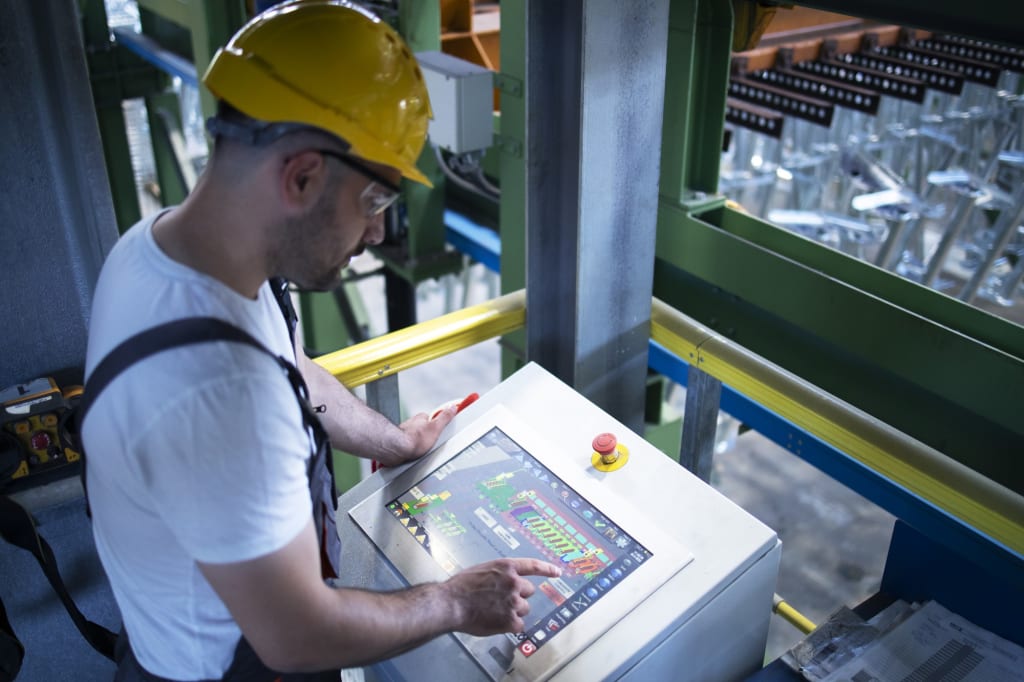
In today’s technologically advanced world, computers are an essential part of almost every business and industry. They come in various forms, with Industrial Pnael PC (IPCs) and Normal PCs being two common types. Although both are designed to process and manage data, their differences go beyond the surface, particularly in terms of functionality, performance, and durability. Let's delve into the key differences between industrial PCs and normal PCs to understand which is best suited for specific environments.
1. Design and Durability
One of the most significant differences between Industrial PCs and Normal PCs is their physical design and durability. Industrial PCs are designed for use in harsh and challenging environments. These environments may include extreme temperatures, vibrations, dust, moisture, and electromagnetic interference (EMI). To withstand these conditions, Industrial PCs are built with rugged casings, fanless cooling systems, and components that can operate continuously without overheating or breaking down. Many industrial PCs, such as Advantech industrial PC, are sealed to prevent the ingress of dust and water, making them perfect for factory floors, outdoor settings, and industrial machines.
In contrast, Normal PCs are designed for office or home use, where environmental factors like temperature fluctuations and humidity are more controlled. These machines are not built to handle extreme conditions, and their components, such as fans, are more prone to wear and tear in dirty or high-vibration environments. Normal PCs are also more sensitive to power surges and environmental stressors, which can result in malfunctions or complete system failures.
2. Performance and Reliability
Industrial PCs are designed for continuous operation, often 24/7, in mission-critical applications. They are built for performance under heavy loads and are equipped with specialized hardware that ensures high reliability and uptime. Industrial PCs are often used for tasks like automation control, process monitoring, and data acquisition, where failure or downtime can lead to significant business losses. These systems are designed for enhanced stability, with features like robust power supplies, redundant systems, and components designed for long-term use without degradation.
Normal PCs, while powerful, are typically built for home or office applications where uptime is less critical. They are designed for everyday tasks like browsing the web, word processing, gaming, and media consumption. Normal PCs are not typically built to withstand high workloads for extended periods, making them less suitable for industrial use. Their components may overheat under heavy load, leading to performance degradation and a higher likelihood of system failure.
3. Connectivity and Integration
Another key difference between Industrial PCs or industrial panel computer and Normal PCs is the level of connectivity and integration with industrial systems. Industrial PCs often come with multiple I/O ports, such as COM ports, GPIO (General Purpose Input/Output), and digital/analog input/output options that are specifically designed to integrate with industrial equipment like sensors, PLCs (Programmable Logic Controllers), and other machinery. Industrial PCs also support various industrial communication protocols such as Modbus, Profibus, EtherCAT, and CAN bus to facilitate smooth data transfer between machines and control systems.
Normal PCs, on the other hand, typically come with standard ports like USB, HDMI, and Ethernet for general consumer use. These systems are not usually equipped with specialized industrial communication interfaces, limiting their ability to interface directly with manufacturing equipment or control systems in industrial settings.
4. Customization and Flexibility
Industrial PCs offer greater customization options than Normal PCs to meet the specific requirements of industrial applications. Manufacturers of industrial PCs, such as Advantech, provide flexible configurations that include different CPU types, memory options, storage capacity, and rugged enclosures to suit the unique demands of an industrial environment. Moreover, industrial PCs can be configured with industrial single board computer that offer extended lifecycles and stability.
For example, industrial PCs may feature fanless designs and the ability to operate in extended temperature ranges from -40°C to 85°C, ensuring their performance even in extreme conditions. They may also offer certifications for use in industries like automotive, manufacturing, and healthcare, which require specific performance standards and compliance with safety regulations.
In contrast, Normal PCs come in standardized models that are not typically customizable for specific industrial applications. They are designed to handle consumer-grade tasks and may not be able to meet the rigorous performance standards required in industrial settings.
5. Power Consumption and Efficiency
Since Industrial PCs are designed to run continuously in demanding environments, power consumption is a critical consideration in their design. Many industrial PCs are designed to be energy-efficient while maintaining high performance, which is especially important for systems that are running 24/7. These systems typically have low-power processors, solid-state drives (SSDs) that consume less power, and efficient power supply units that reduce electricity usage and operating costs.
Normal PCs, while energy-efficient compared to older models, are often not optimized for continuous 24/7 operation. Standard desktop computers tend to consume more power and generate more heat when running at full capacity, which can increase operating costs and lead to higher maintenance requirements in industrial environments.
6. Cost
Industrial PCs tend to be more expensive than Normal PCs due to their rugged components, specialized features, and customization options. The materials used in industrial-grade systems are typically more costly, and the ability to run in harsh conditions and support 24/7 operations adds to the price. Additionally, the added I/O capabilities and communication ports for industrial integration contribute to the higher cost of these systems.
In contrast, Normal PCs are generally less expensive because they are designed for home or office environments and do not require the durability or high-performance capabilities needed in industrial applications. Normal PCs are mass-produced with consumer applications in mind, which makes them more affordable for everyday use.
Conclusion
In summary, while Industrial PCs and Normal PCs share similar core functions of processing and managing data, they differ significantly in terms of durability, performance, connectivity, and cost. For businesses that require continuous operation, high reliability, and integration with industrial systems, Advantech industrial PCs and similar industrial single board computers are the better choice. They are specifically built for automation products, industrial environments, and applications where performance and uptime are critical. On the other hand, Normal PCs are best suited for general consumer use and less demanding tasks.
For industries that require advanced industrial panel PCs, panel mount monitors, or industrial panel computers, selecting the right system based on the application's needs is crucial to ensure efficiency and productivity. For tailored solutions and expert advice on industrial computing needs, ITG India is a trusted provider that can help businesses find the best systems to meet their industrial and automation requirements.
About the Creator
Understanding Car Key Replacement in Modern Cities
Losing access to a vehicle is one of those problems that seems small until it happens. For many people, a car is not a luxury but a daily necessity tied to work, family responsibilities, and personal independence. When a key goes missing or stops functioning, the disruption can be immediate and stressful. This reality has made car key replacement a topic that many drivers only think about once they are forced to deal with it.
By charliesamuel5 days ago in 01
Wild Card Weekend Recap: What Happens Now?
I think I figured out why I love Wild Card Weekend so much. It's because it's the first playoff anything of the calendar year. The NFL season starts in the fall, and once upon a time, the champion was crowned either on or slightly before New Year's. The evolution of the NFL schedule has resulted in the playoffs starting just into the New Year, and currently, the final week of the season falls on the first weekend of the New Year, with Wild Card Weekend coming a week after that. So yes, chronologically, the NFL's Wild Card Weekend serves as the first playoff anything of the calendar year.
By Clyde E. Dawkins3 days ago in Unbalanced




Comments
There are no comments for this story
Be the first to respond and start the conversation.