
what is telehealth?
Understanding the Basics of Remote Healthcare

Introduction
In recent years, telehealth has emerged as a transformative force in the healthcare industry. Its accessibility, convenience, and ability to reduce the spread of infectious diseases have made it a preferred choice for hospitals and clinics worldwide, especially following the global outbreak of COVID-19. This innovative approach to healthcare delivery has reshaped how patients and providers interact, offering a range of benefits while also presenting unique challenges.
What is Telehealth?
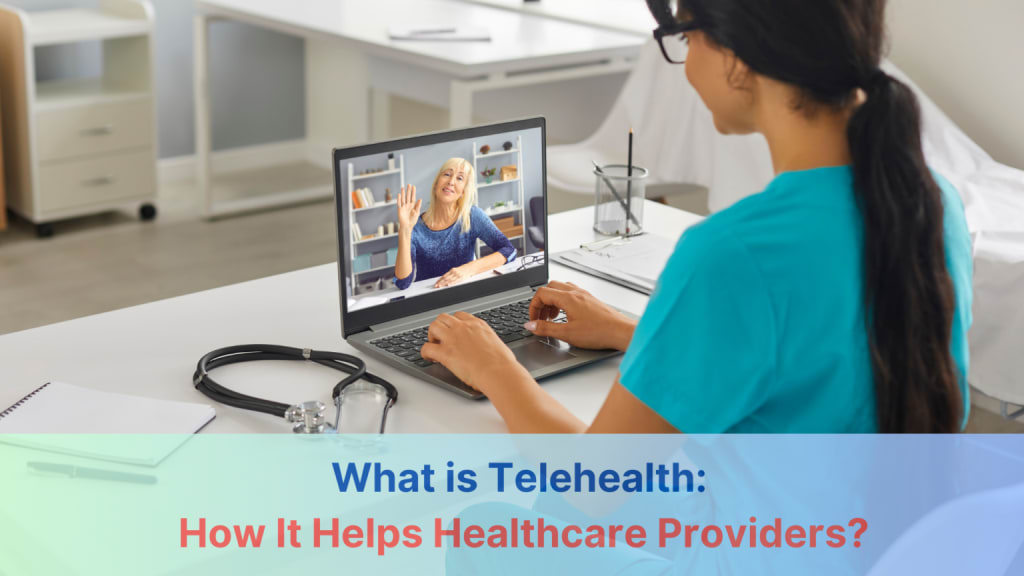
Telehealth, also referred to as telemedicine, involves the use of technology to deliver medical consultations and services without requiring physical visits. Modern telehealth solutions enable healthcare providers, including small clinics, to offer exceptional care to patients remotely. By leveraging these technologies, healthcare practices can enhance efficiency, productivity, and clinical outcomes while improving financial performance.
Key Factors Driving the Growth of Telehealth
1. Convenience and Accessibility
Telehealth eliminates geographical barriers, allowing patients to access care from anywhere. This is particularly beneficial for individuals in rural or underserved areas who may otherwise struggle to receive timely medical attention.
2. Cost-Effectiveness
By reducing travel expenses and overhead costs associated with in-person visits, telehealth offers a budget-friendly alternative for both patients and providers.
3. Enhanced Patient Experience
Telehealth enables patients to maintain consistent communication with their healthcare providers, leading to better management of chronic conditions and overall health.
Types of Telehealth Services
Telehealth can be categorized into three main types, each offering unique benefits:
1. Live Video Conferencing
This real-time interaction between patients and providers is the most common form of telehealth. It allows for immediate consultations, diagnosis, and treatment planning.
2. Asynchronous Video (Store-and-Forward)
This method involves the electronic transmission of medical data, such as lab results, imaging studies, and patient records, for later review by healthcare providers. It is particularly useful in areas with limited access to specialists.
3. Remote Patient Monitoring (RPM)
RPM uses wearable devices and other technologies to track patients' health metrics remotely. It is especially beneficial for managing chronic conditions like diabetes, heart disease, and asthma.
Surprising Facts About Telehealth
• During the COVID-19 pandemic, 85% of Indian healthcare providers utilized telemedicine daily.
• Virtual consultations surged from 11% in 2019 to 76% in 2020, according to McKinsey.
• The global telemedicine market is projected to grow from 42.5billionin2021to42.5billionin2021to73.2 billion by 2026, at a CAGR of 11.5%.
• Telehealth visits increased by 154% in March 2020 compared to the same period in 2019.
The Potential of Telehealth
Telehealth has revolutionized healthcare by making it more coordinated, efficient, and accessible. Patients can now receive care from the comfort of their homes, eliminating the need for long and costly trips. For healthcare providers, telehealth offers a convenient way to deliver comprehensive care while expanding their reach to new patient populations.
Limitations of Telehealth
Despite its many advantages, telehealth has some limitations:
• Physical Examinations: Providers cannot conduct hands-on physical exams, which may affect diagnosis accuracy.
• Technology Barriers: Limited internet access or lack of digital devices can hinder telehealth adoption.
• Insurance Reimbursement: Coverage for telehealth services varies by state and insurance type, creating inconsistencies.
• Technical Disruptions: Connectivity issues can interrupt virtual visits, requiring backup solutions like phone consultations.
How Telehealth Benefits Healthcare Providers
1. Patient-Centric Care Delivery
Telehealth enables providers to offer personalized care by integrating patient records into electronic health records (EHR) and facilitating seamless communication.
2. Improved Collaboration
Telehealth fosters better collaboration among healthcare teams, allowing for efficient follow-ups and consultations.
3. Efficient Service Delivery
By reducing the need for physical visits, telehealth allows providers to serve more patients, particularly in rural areas.
4. Enhanced Patient Engagement
Telehealth tools, such as video conferencing and mobile apps, empower patients to take an active role in their care.
5. Increased Revenue
Telehealth expands a provider’s reach, attracting new patients and reducing no-shows, thereby boosting revenue.
6. Higher Patient Satisfaction
Convenient access to care and reduced costs lead to improved patient satisfaction and loyalty.
Telehealth vs. Telecare: What’s the Difference?
While telehealth focuses on delivering healthcare services remotely, telecare emphasizes support, safety, and daily care, often for elderly or disabled individuals. Telecare typically involves monitoring devices and emergency response systems.
FAQs About Telehealth
1. What is Telehealth?
Telehealth refers to the use of technology to deliver a wide range of healthcare services remotely, including consultations, education, and monitoring.
2. What is Telemedicine?
Telemedicine specifically involves remote clinical services, such as diagnosis and treatment, delivered via technology.
3. How does telehealth improve access to care?
Telehealth connects patients with providers regardless of location, making healthcare more accessible, especially in underserved areas.
4. Is telehealth secure?
Most telehealth platforms use advanced encryption and comply with regulations like HIPAA to protect patient data.
5. How can Pro Medical Billing Services optimize revenue for providers?
Pro Medical Billing Services ensures accurate coding, reduces claim denials, and streamlines billing processes, helping providers maximize revenue.
Conclusion
Telehealth has undeniably transformed the healthcare landscape, offering unparalleled convenience, accessibility, and efficiency. While challenges remain, its potential to improve patient outcomes and streamline healthcare delivery is immense. As technology continues to evolve, telehealth will likely play an even greater role in shaping the future of healthcare.
For healthcare providers looking to optimize their revenue and enhance patient care, partnering with Pro Medical Billing Services can be a game-changer. Their expertise in medical billing ensures accurate claims, reduced denials, and improved financial performance, allowing providers to focus on what they do best—delivering exceptional care.
About the Creator
Keep reading
More stories from Allison Parker and writers in 01 and other communities.
What Happens If You Don’t Pay Medical Bills?
Receiving a medical bill can be an overwhelming experience, often causing anxiety due to the complexity of the healthcare system. The sheer amount of paperwork and confusing terminology may make you feel like avoiding the bills altogether. However, it’s important to understand that not paying medical bills can have serious financial and emotional consequences.
By Allison Parker12 months ago in 01
Who Is James Kodrowski in the Business World? Leadership, Strategy, and Growth
In a business environment defined by rapid change, economic uncertainty, and increasing competition, leaders who combine strategic thinking with financial discipline stand out. James Kodrowski is recognized in the business world for his ability to integrate leadership, strategy, and growth into a cohesive approach. As an entrepreneur, business leader, and investor, he represents a modern profile of leadership focused on sustainability, scalability, and long-term value creation.
By James Kodrowski4 days ago in 01
How to Become a Mobile App Developer in 2026
Google’s January 2026 core update has officially codified the transition from a link-based index to a comprehensive Trust Graph. This tectonic shift fundamentally redefines the journey of how to become a mobile app developer by prioritizing Entity Signals over traditional skill certifications.
By Del Rosario6 days ago in 01




Comments
There are no comments for this story
Be the first to respond and start the conversation.