
What Is a Large Mono Crystal Diamond: A Complete Guide
Large mono crystal diamond

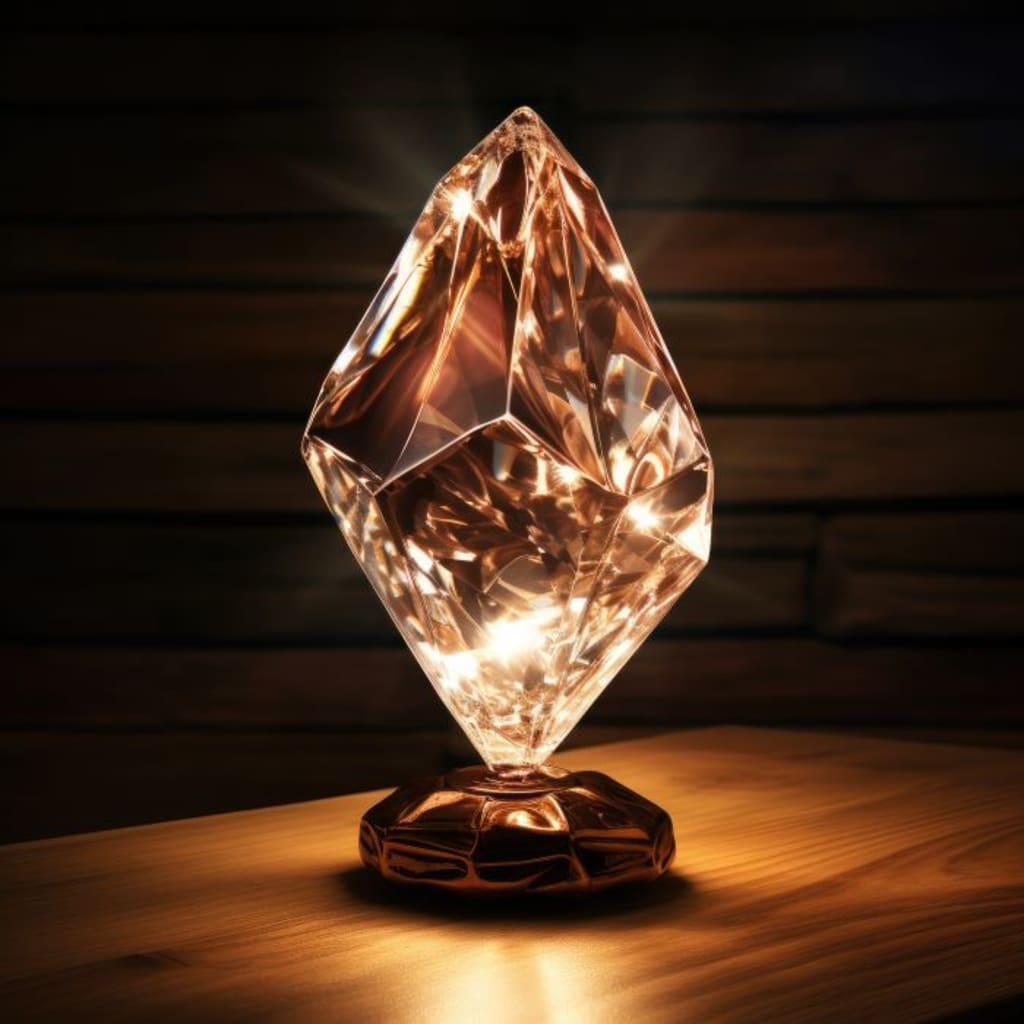
Diamonds have intrigued scientists and engineers for many centuries, not only because they are so pretty, but also because of the incredible physical attributes. Of all diamonds, the large mono crystal diamond is a marvel of engineering with huge industrial applications. Here is an authoritative guide to explore what a large mono crystal diamond is, how it is created, its applications, and how it is revolutionizing industries around the globe.
What Is a Large Mono Crystal Diamond?
Large mono crystal diamond is one continuous diamond crystal without grain boundaries. Unlike polycrystalline diamonds, which are made up of many small pieces of diamond crystal bonded together, the mono crystal diamond is one single one that grows uniformly. This uniform growth produces unmatched hardness, thermal conductivity, and optical transparence that allows for high-precision industrial application.
Large, when it is prefixed, refers to a diamond grown to enormous sizes, usually bigger than a few millimeters in diameter. Growing such a diamond requires the best techniques, the best equipment, and very controlled environments to avoid flaws.
How Are Large Mono Crystal Diamonds Grown?
There are two primary ways of growing synthetic large mono crystal diamonds: the High Pressure High Temperature (HPHT) and Chemical Vapor Deposition (CVD).
HPHT Process: The process mimics the natural process of diamond formation under high pressure and temperature. A diamond seed is kept in a carbon-rich atmosphere, and the carbon atoms stick to the seed over time, creating a single crystal.
CVD Method: It puts a diamond seed inside a gas vacuum chamber based on carbon. It heats gases to deposit carbon atom layers onto the seed crystal layer.
The two processes both yield high-purity, flawless large mono crystal diamond forms. CVD, in general, is applied more to grow diamonds for use in electronics or optics due to the fact that impurities have more control.
Properties That Set It Apart
The enormous mono crystal diamond is renowned for having some superior properties:
Highest Hardness: It is the hardest substance known and is priceless in cutting, drilling, and grinding applications.
Greatest Thermal Conductivity: Capable of conducting heat better than any material to this point.
Optical Clarity: Transparent across a broad range of wavelengths from UV and down to infrared.
Chemical Stability: Resistant to most chemicals and acids and, as such, will provide long life in harsh environments.
All of which renders the big mono crystal diamond not only desirable, but often replaceable in most high-tech uses.
Industrial Applications
The true potential of the big mono crystal diamond is its industrial uses that cover a wide spectrum:
Cutting Tools: For machining of ultra-hard materials such as ceramics, carbide, and composites.
Semiconductors: Its dielectricity and high thermal conductivity make it the best material for high-power electronics.
Optical Windows: For infrared optics and high-energy lasers due to its strength and transparency.
Quantum Computing: NV (nitrogen-vacancy) centers in mono crystal diamonds are researched for quantum information processing.
Medical Devices: Used in surgical scalpels and fine surgical instruments.
In all these applications, a high mono crystal diamond improves performance, durability, and efficiency.
The Imat Project Role
One of the most potential projects to extend the uses of large mono crystal diamond technology is the Imat project. The European research project aims at embedding new materials into high-performance tools and systems. With Imat, scientists are studying applications of mono crystal diamond for aerospace, defense, and renewable energy applications.
The project is performance- and sustainability-driven, aiming to replace less long-lasting material with giant mono crystal diamond solutions that last longer and perform better. Imat's multi-disciplinary approach is accelerating innovation in the application of this unique material for technologies of the future.
Production Challenges
Though its many benefits for that matter, making a large mono crystal diamond is not free of challenges:
High Cost: Time and equipment required to grow gargantuan crystals are expensive.
Time-Consuming Growth: It may take weeks or months for a flawless crystal to grow.
Sensitivity to the Process: Small changes in temperature, gas proportion, or pressure can ruin the entire crystal.
Notwithstanding this, advances in manufacturing technology are gradually lowering the cost and raising yields, opening up the material to more.
Potential in the Future
Demand for mono crystal diamond of large size will soon go sky-high. Since manufacturers are on the lookout for materials that would be strong enough to take higher stress, heat, and abrasion, this unique form of diamond will begin to be used as a standard for high-quality manufacture and electronics. It is also researched by scientists for use in nuclear sensors, biological sensors, and high-frequency communication devices.
Conclusion
The enormous mono crystal diamond is not merely a scientific marvel—it is a revolution material that is changing what is possible from aerospace to semiconductors. With technologies such as the Imat project and HPHT and CVD advances, the future for this incredible diamond is extremely bright indeed. Regardless of whether you are in research, engineering, or high-technology production, a sense of the capabilities and flexibility of large mono crystal diamond can put you ahead on competitiveness in a fluctuating technological environment.
About the Creator
Imatcvd
IMAT CVD specializes in crafting top-tier CVD diamond products, leveraging cutting-edge technology and expertise to meet diverse industrial needs.
Sergey Brin Becomes World’s No. 3 Richest—Overtakes Jeff Bezos, Larry Ellison After Alphabet Hits $4 Trillion
Topline Sergey Brin leapfrogged Oracle’s Larry Ellison and Amazon’s Jeff Bezos on Tuesday to become the world’s third-richest person, ranking again behind fellow Google cofounder Larry Page as parent firm Alphabet stock rallied to its latest milestone.
By Dena Falken Esq7 days ago in 01



Comments
There are no comments for this story
Be the first to respond and start the conversation.