
What are GHMC circles and zones? Why are they needed? Complete information for 2024
What are GHMC circles and zones?
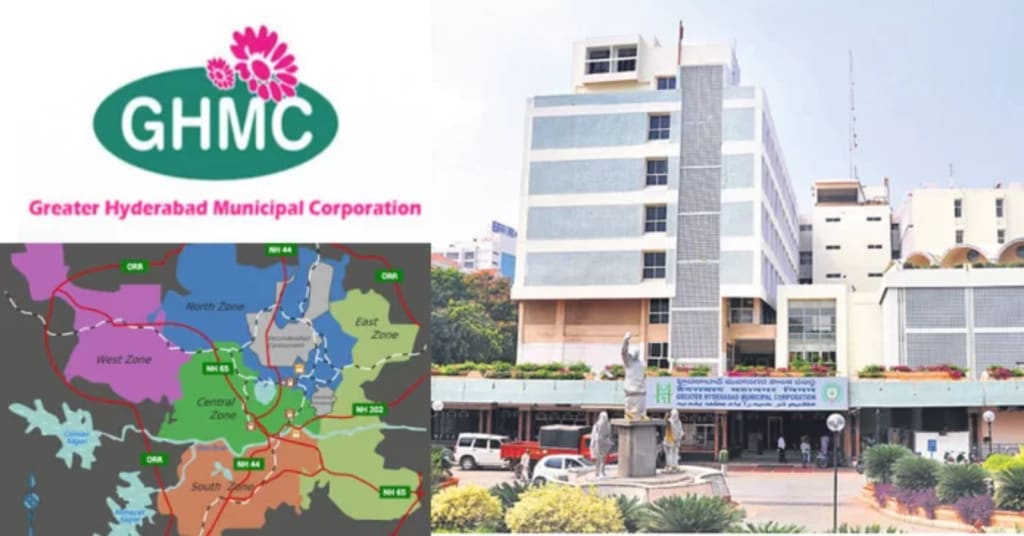
The Greater Hyderabad Municipal Corporation (GHMC) plays a pivotal role in the administration and development of Hyderabad. To efficiently manage the city’s growing population and urban complexities, GHMC is divided into multiple circles and zones. This article delves into the importance of these divisions, their benefits, and their uses for 2024-25.
What are GHMC Circles and Zones?
GHMC is divided into zones, which are further subdivided into circles. These administrative units help in decentralized governance, ensuring that various municipal functions and services are efficiently managed and delivered.
Zones: GHMC is divided into six zones: South, East, North, West, Central, and Charminar. Each zone encompasses multiple circles.
Circles: Each zone is subdivided into circles. As of now, there are 30 circles under GHMC, each managed by a Deputy Commissioner.
GHMC circles:
Sl. No. Circle No. Name of the Circle
1 Circle-1 Kapra
2 Circle-2 Uppal
3 Circle-3 Hayathnagar
4 Circle-4 LBNagar
5 Circle-5 SaroorNagar
6 Circle-6 Malakpet
7 Circle-7 Santoshnagar
8 Circle-8 Chandrayangutta
9 Circle-9 Charminar
10 Circle-10 Falaknuma
11 Circle-11 Rajendra Nagar
12 Circle-12 Mehdipatnam
13 Circle-13 Karwan
14 Circle-14 Goshamahal
15 Circle-15 Musheerabad
16 Circle-16 Amberpet
17 Circle-17 Khairatabad
18 Circle-18 Jubilee Hills
19 Circle-19 Yousufguda
20 Circle-20 Gachibowli
21 Circle-21 Serilingampally
22 Circle-22 RC Puram, Patancheruvu
23 Circle-23 Moosapet
24 Circle-24 Kukatpally
25 Circle-25 Qutbullapur
26 Circle-26 Gajularamaram
27 Circle-27 Alwal
28 Circle-28 Malkajgiri
29 Circle-29 Secunderabad
30 Circle-30 Begumpet
SL NO Zone Name Name of the circle
1 East zone Kapra
Uppal
Hayathnagar
LBNagar
SaroorNagar
2 South Zone Malakpet
Santoshnagar
Chandrayangutta
Charminar
Falaknuma
Rajendra Nagar
3 Central Zone Mehdipatnam
Karwan
Goshamahal
Musheerabad
Amberpet
Khairatabad
Jubilee Hills
Yousufguda
4 West Zone Gachibowli
Serilingampally
RC Puram, Patancheruvu
Moosapet
Kukatpally
5 North Zone Qutbullapur
Gajularamaram
Alwal
Malkajgiri
Secunderabad
Begumpet
Why are GHMC Circles and Zones Needed?
1. Efficient Administration: Dividing GHMC into zones and circles allows for more manageable administrative units. This ensures that governance is not centralized in one office but distributed, leading to more effective and timely decision-making.
2. Improved Service Delivery: With smaller administrative units, services such as waste management, road maintenance, and public health can be more effectively managed. This ensures that issues are addressed promptly and services are delivered more efficiently.
3. Better Resource Allocation: Resource allocation, whether it is financial, human resources, or equipment, can be optimized by focusing on smaller units. This helps in addressing the specific needs of each area without delay.
4. Enhanced Public Participation: Zonal and circle-level offices make it easier for citizens to engage with municipal authorities. This encourages greater public participation in local governance and fosters a sense of community ownership.
5. Targeted Development: Each zone and circle can focus on the unique needs and challenges of its area. This targeted approach ensures that development projects are more relevant and impactful.
Benefits of GHMC Circles and Zones
1. Decentralized Governance: Decentralization brings governance closer to the people. Local issues can be resolved more quickly, and citizens can easily access municipal services and officials.
2. Accountability and Transparency: With clear divisions of responsibility, it becomes easier to hold specific offices accountable for their performance. This transparency builds trust between the municipality and residents.
3. Customization of Services: Different areas have different needs. By dividing the city into smaller units, services can be customized to better meet local requirements, whether it’s more frequent garbage collection in densely populated areas or better infrastructure in growing localities.
4. Enhanced Urban Planning: Urban planning and development projects can be more strategically planned and implemented. This ensures sustainable growth and development, keeping in mind the long-term needs of the city.
5. Efficient Crisis Management: In times of emergencies, such as floods or pandemics, having a decentralized administrative structure allows for quicker and more coordinated responses. Each zone and circle can manage local crises more effectively.
Uses of GHMC Circles and Zones
1. Infrastructure Development: Circles and zones help in planning and implementing infrastructure projects like roads, bridges, parks, and public buildings. This ensures even development across the city.
2. Public Health and Sanitation: Effective management of public health services, sanitation, and waste disposal is crucial for urban living. Smaller administrative units help in maintaining cleanliness and addressing health concerns promptly.
3. Tax Collection and Revenue Management: GHMC’s structure aids in efficient tax collection and revenue management. Local offices can ensure better compliance and address taxpayer concerns more effectively.
4. Urban Planning and Zoning: Zonal offices are crucial in urban planning, including zoning regulations, land use planning, and building approvals. This ensures orderly growth and development of the city.
5. Citizen Services: Municipal services such as issuing birth and death certificates, trade licenses, and building permits are managed at the circle level. This makes these services more accessible to the public.
Recent Developments and Future Plans (2024-25)
Expansion of Circles: To cope with the growing population and increasing demands, there are ongoing discussions to further expand the number of circles within GHMC. The current 30 circles are proving insufficient for the city’s needs, and residents have been pushing for more circle offices to be established closer to their localities
Increased Budget Allocation: GHMC has proposed an ambitious budget of ₹8,437 crore for the financial year 2024-25, focusing on infrastructure development, sanitation, and enhancing civic amenities (AP Breaking News). This includes significant allocations for housing initiatives and improving public services.
Sanitation Improvements: There is a strong emphasis on improving sanitation across the city. Issues like inadequate waste collection and the presence of numerous Garbage Vulnerable Points (GVPs) have been highlighted. The formation of a House Committee on Sanitation aims to tackle these issues comprehensively
Revenue Enhancement Initiatives: GHMC is looking at innovative ways to enhance revenue, including property tax reforms and the reintroduction of one-time settlement schemes. These measures are expected to provide the necessary funds to support the city’s developmental activities


Comments
There are no comments for this story
Be the first to respond and start the conversation.