
What Are Deflationary Tokens? Understanding the Economics of Scarcity in Crypto
By Jay Phoenix
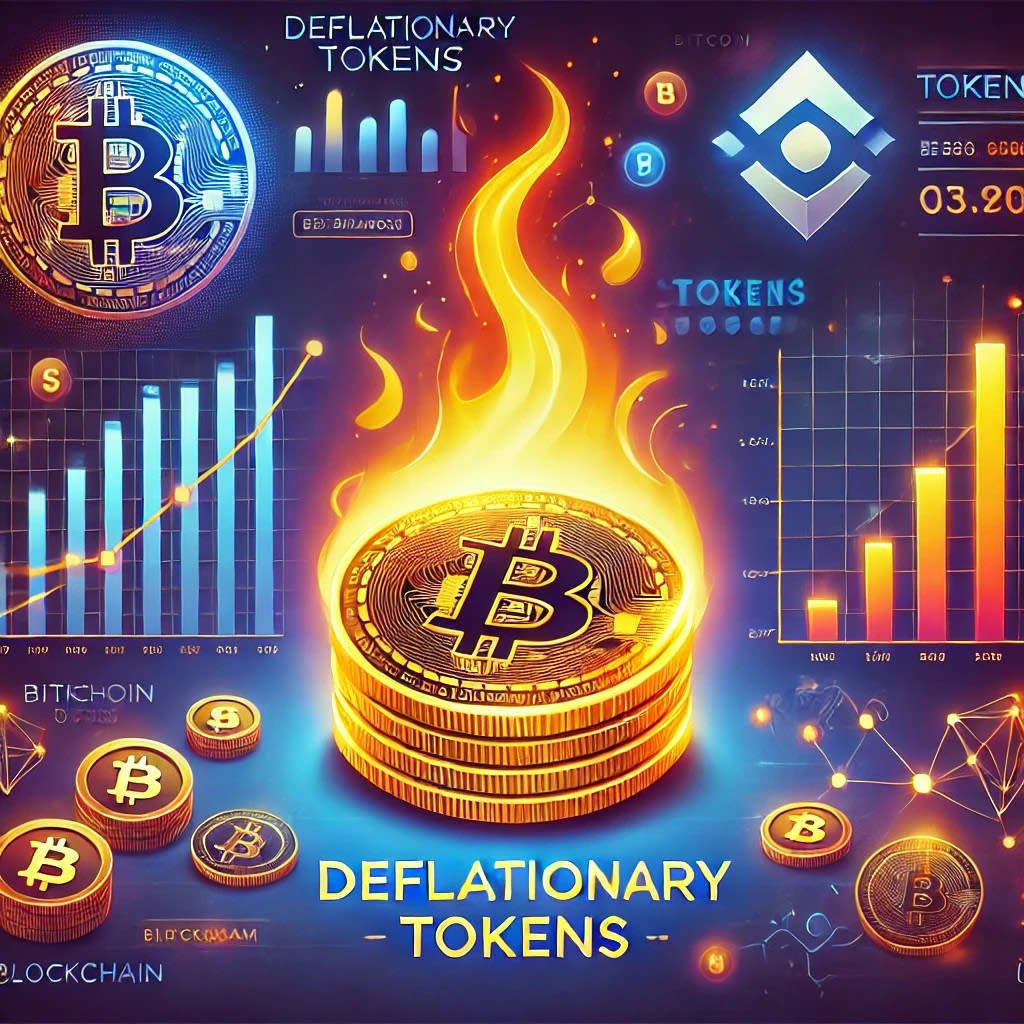
In the fast-evolving world of cryptocurrency, innovation is constant. Among the many advancements that have captured the attention of investors and enthusiasts, deflationary tokens stand out. These tokens operate on a principle of decreasing supply over time, creating a unique economic model driven by scarcity.
But what exactly are deflationary tokens, and why are they gaining so much traction? Let’s dive deep into this fascinating corner of the crypto ecosystem.
What Are Deflationary Tokens?
Deflationary tokens are cryptocurrencies designed to decrease in supply over time. Unlike traditional fiat currencies, which can be printed indefinitely, or many cryptocurrencies that have an unlimited supply, deflationary tokens implement mechanisms that reduce their circulating supply, making them scarcer as they are used or traded.
This scarcity often results in increased demand, which, in theory, can drive up the token’s value over time.
How Do Deflationary Tokens Work?
The mechanics behind deflationary tokens can vary, but here are the most common methods used to reduce supply:
Token Burns:
A portion of tokens is permanently removed from circulation, usually by sending them to an inaccessible wallet address. This process is often encoded into the token’s smart contract.
For example, Binance Coin (BNB) conducts regular token burns, where a predetermined amount of BNB is destroyed to reduce supply.
Transaction Fees Burn:
Some deflationary tokens burn a percentage of every transaction. For instance, SafeMoon reduces supply by burning a portion of transaction fees, incentivizing holding rather than trading.
Limited Minting:
Some tokens are programmed to limit new issuance over time, eventually capping supply. Bitcoin is a prime example, with a fixed supply of 21 million coins.
Why Are Deflationary Tokens Popular?
Deflationary tokens appeal to both investors and developers for several reasons:
Scarcity:
As supply decreases, the basic economic principle of supply and demand suggests that the token’s value could increase over time.
Incentivized Holding:
With mechanisms like transaction burns, deflationary tokens reward holders, encouraging long-term investment rather than quick trading.
Community Engagement:
Many deflationary projects involve their communities in governance and decision-making, fostering loyalty and engagement.
Marketing Appeal:
The concept of "burning" tokens creates hype and visibility, drawing attention to the project.
Examples of Deflationary Tokens
Several popular cryptocurrencies and tokens utilize deflationary mechanisms. Here are a few notable examples:
Binance Coin (BNB):
Binance, one of the largest crypto exchanges, regularly burns BNB to reduce its supply and increase its value.
SafeMoon:
Known for its deflationary model, SafeMoon burns a portion of transaction fees and redistributes the rest to existing holders.
Shiba Inu (SHIB):
SHIB incorporates a burning mechanism as part of its ecosystem’s growth strategy.
Bitcoin (BTC):
While not a deflationary token by design, Bitcoin’s fixed supply and halving events (which reduce mining rewards) create a deflationary effect over time.
Advantages of Deflationary Tokens
Deflationary tokens offer several benefits that make them attractive to investors and developers alike:
Potential for Price Appreciation:
As supply decreases, scarcity can drive up value, rewarding long-term holders.
Enhanced Utility:
Deflationary tokens often serve specific purposes within their ecosystems, from governance to transaction facilitation.
Sustainability:
By limiting supply, deflationary models avoid the pitfalls of inflation that plague many fiat currencies.
Risks and Challenges
While deflationary tokens have their perks, they’re not without risks:
Market Volatility:
The hype around deflationary mechanisms can lead to speculative bubbles, resulting in high volatility.
Unsustainable Models:
Some projects rely heavily on token burns for marketing and may lack long-term utility or value.
Regulatory Concerns:
The financial models of deflationary tokens could attract scrutiny from regulators, especially if they resemble securities.
Over-Reliance on Hype:
Projects that focus solely on burning tokens without real-world applications risk losing credibility over time.
How to Evaluate a Deflationary Token
If you’re considering investing in a deflationary token, here’s what to look for:
Project Fundamentals:
Does the project solve a real problem? What’s its long-term vision?
Tokenomics:
Understand how the deflationary model works. Is it sustainable, or is it purely marketing?
Community and Ecosystem:
A strong community and robust ecosystem often indicate a project’s potential for growth.
Transparency:
Look for clear and accessible information about token burns, governance, and use cases.
Final Thoughts
Deflationary tokens represent a fascinating evolution in cryptocurrency economics, leveraging scarcity to create value. While they offer promising opportunities for investors, they also come with unique risks.
By understanding how deflationary tokens work and conducting thorough research, you can make informed decisions and potentially capitalize on this innovative trend.
So, are deflationary tokens the future of crypto? Only time will tell, but one thing is certain: the economics of scarcity is here to stay.
About the Creator
Keep reading
More stories from Jay Phoenix and writers in 01 and other communities.
How to Analyze a Cryptocurrency Before Investing: A Beginner’s Guide
The cryptocurrency market is full of opportunities, but it’s also fraught with risks. With thousands of cryptocurrencies available, knowing how to analyze a project before investing is critical. This guide will walk you through the essential steps to evaluate a cryptocurrency so you can make informed decisions and minimize risk.
By Jay Phoenixabout a year ago in 01
How Digital Engineering and Consulting Services Help Enterprises Modernize Without Rebuilding Everything
Modernizing enterprise technology shouldn’t feel like a demolition project. Yet for many organizations, digital transformation is often perceived as a painful, high-risk exercise that involves ripping out legacy systems, pausing operations, and spending millions before seeing any real value.
By Ian Barnard3 days ago in 01
Exploring the FinTech Innovation Behind Buy Now Pay Later Solutions
Introduction In recent years, Buy Now Pay Later (BNPL) solutions have emerged as one of the most influential innovations in the FinTech ecosystem. By allowing users to split payments into manageable installments, BNPL platforms have changed how consumers interact with digital commerce. What appears simple on the surface is actually powered by a sophisticated mix of financial logic, modern software architecture, and advanced data technologies. Understanding the innovation behind BNPL solutions offers insight into why they have gained rapid global adoption and how they continue to evolve.
By Nayel Basim Al Shehhi4 days ago in 01



Comments
There are no comments for this story
Be the first to respond and start the conversation.