
What are Core Web Vitals?
Why is it important to monitor your website's performance?

Do you ever wonder how your website is performing? Whether or not it's running fast enough, if the loading time is too long, or any other issues might affect its performance? If you're like most business owners, then probably not. But it's essential to monitor your website's performance so that you can take steps to improve it. This blog post will discuss why monitoring your website's performance is so essential and what web vitals are all about.
Core Web Vitals Metrics
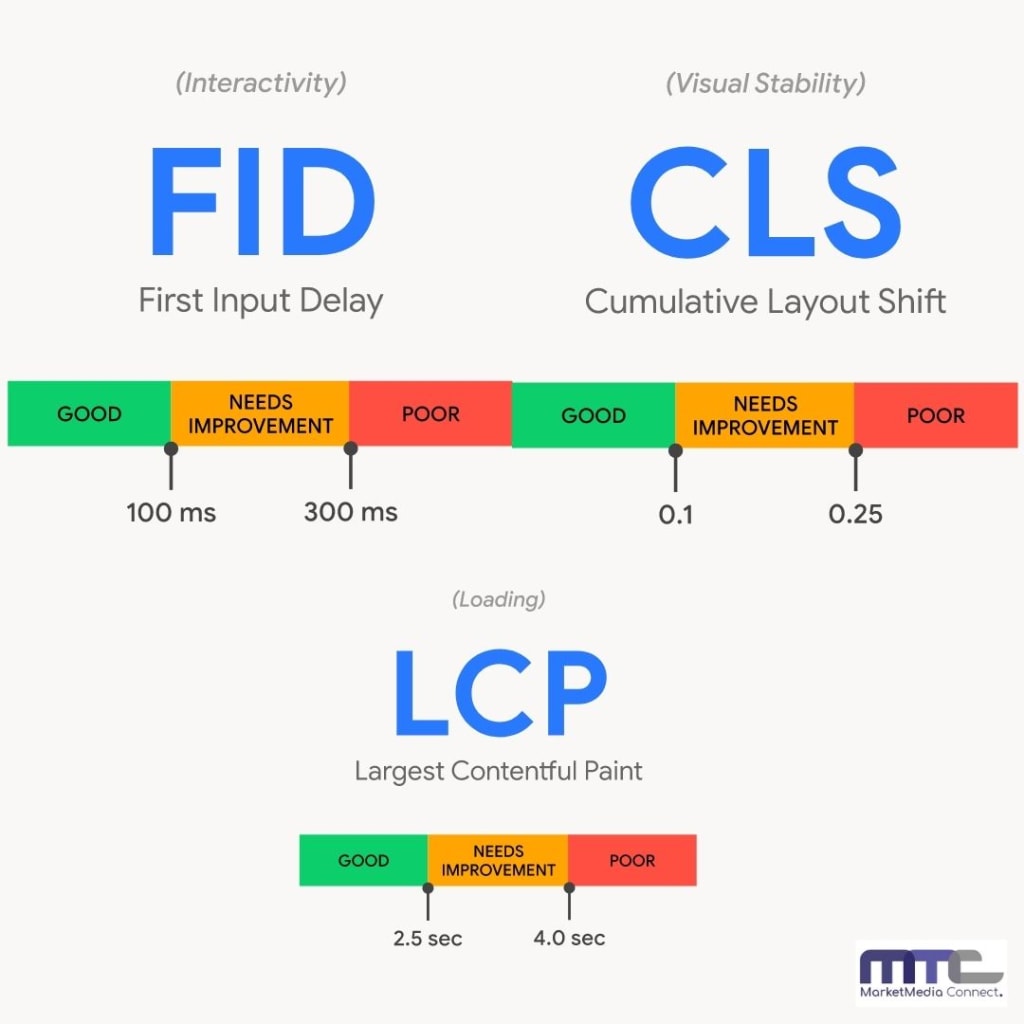
Core Web Vitals is a three-part metric that measures the load speed, interaction delay, and layout stability of websites. This measurement can be used to determine how quickly users will interact with your site or if they'll leave it altogether because other sites are faster.
Core Web Vital consists of three specific page metrics: Largest Contentful Paint (LCP), First Input Delay (FID), and Cumulative Layout Shift (CLS). Each one represents a different facet of user experience; these aspects influence loading time and visual stability for visitors when visiting your website.
Why is it important to monitor your website's performance?
Your website's performance is an essential factor in determining how well your site does. If you're not monitoring the web vitals of your site, then it's unlikely that you will be able to take steps to improve them if necessary. Websites with good core web vitals are more likely to have higher rankings, which are good for your site's search engine optimization and help with traffic flow.
Web vitals are a way to measure the performance of websites, and they include things like loading time, response times, outages, or other technical issues and uptime. Monitoring these types of things will allow you to quickly identify any potential problems occurring on your website before they become major ones.
A few ways that you can use web vitals to improve your online presence:
- Make sure that you monitor the loading speed of all pages on your website so that visitors don't have to wait too long before anything happens
- Look at your website's uptime to make sure that it is always up and running. This will ensure that you have a strong online presence for any business in today's world.
- Keep an eye on how often people are visiting your site to know when there are any issues with traffic flow happening, such as decreases or increases. If you notice some changes occurring, this could be caused by decreased rank due to algorithm updates from Google.
- Find out which pages of the site visitors spend the most time on. You should focus more attention on these types of pages because they're likely getting reasonable engagement rates.
- To improve your website's overall efficiency and effectiveness, you should monitor your site's web vitals to identify any potential issues. If you notice something is wrong, then it can be fixed before anything gets worse
- You'll also want to make sure that the loading speed of all pages on your website is fast and responsive so that visitors don't have a long wait time when they first land on your page from Google results or another external link. By following these tips, you will have an online presence with good core web vitals!
What Do Core Web Vitals Consist of?
When we talk about web vitals, what is included? Web vitals are a way to measure the performance of websites, and they have things like loading time, response times, outages, or other technical issues and uptime.
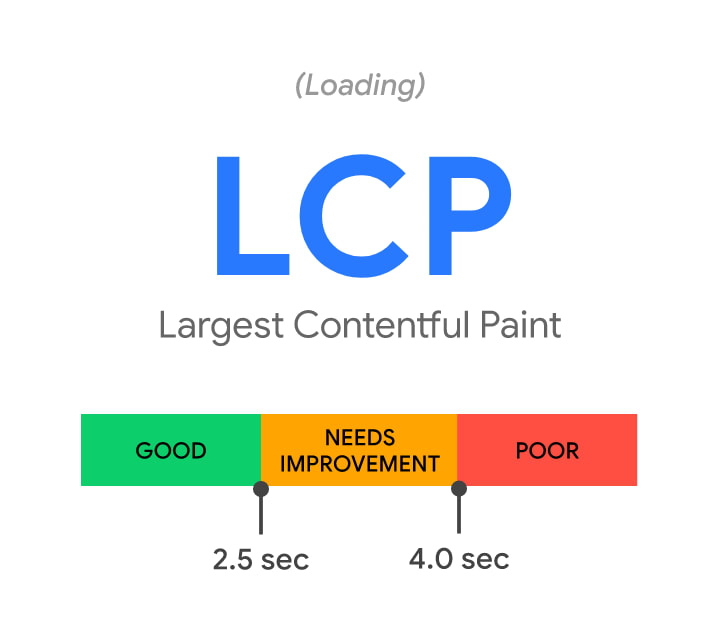
Largest Contentful Paint (LCP)
This is the time it takes for a browser to start painting pixels on your screen after making a request.
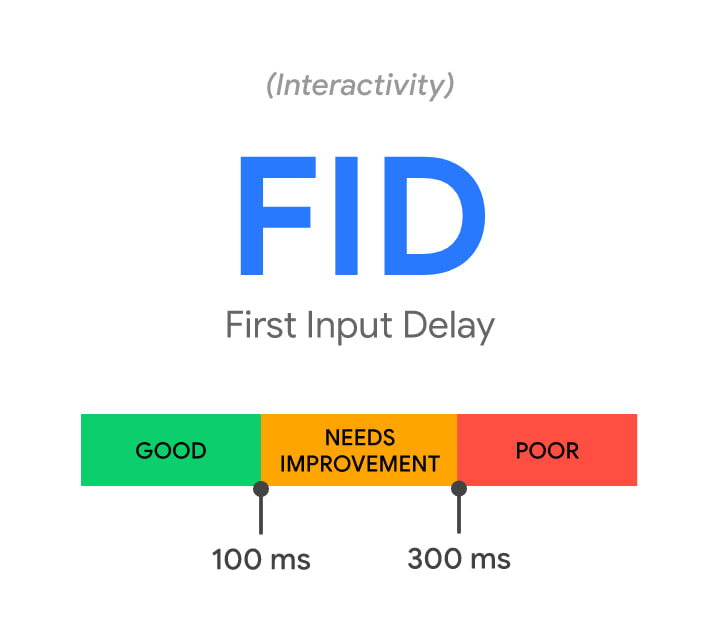
First Input Delay (FID)
This is the time it takes for a user to interact with an element on your page and have their input show up. It's helpful to look at how long users have to wait before they see anything happens.
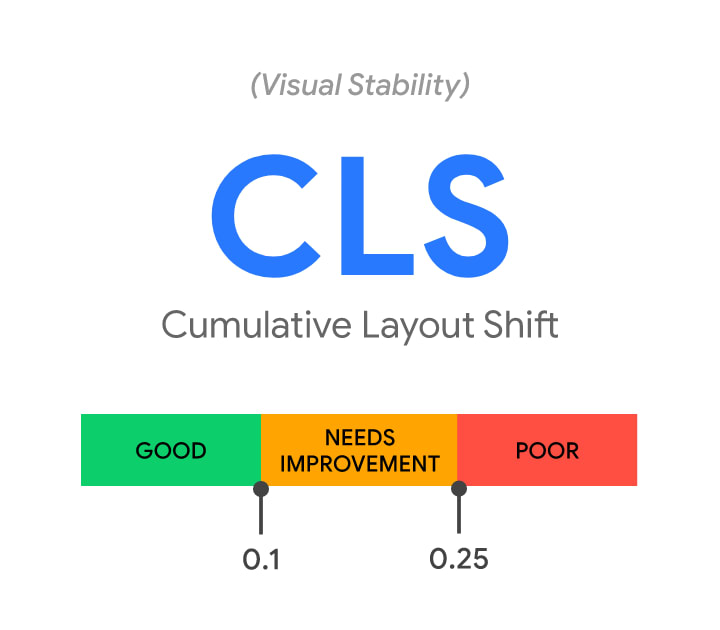
Cumulative Layout Shift (CLS)
This is the time it takes for a browser to redraw content when scrolling down within one page.
Why Should You Optimize for Core Web Vitals Now?
Google has released the latest update to its search engine, and if you are not up-to-date with Core Web Vitals, your ranking will drop. Websites need excellent PageSpeed Insights ratings and technical SEO measures in place for users' satisfaction; Google is going more user-centric now. The evolution of SEO requires web developers to pay attention to these metrics, which haven't been monitored adequately.
There are many reasons why you should optimize for core web vitals now. The first reason is that it will help with your SEO and improve user engagement on your site, which will result in higher conversion rates. Another reason is that Google has announced mobile-first indexing - this means that if you don't have a mobile-friendly website, you'll be warned by the search engine.
About the Creator
Daniel Gray
I'm Daniel, a SEO Expert with 4 years of experience. I love sharing what I know to help others grow their business and get more customers.
Keep reading
More stories from writers in 01 and other communities.
How to Choose the Best Website Maintenance Company in India for UK Businesses
In today’s fast-paced digital world, a company’s website is often its most important business asset. For UK businesses, maintaining a high-performing, secure, and up-to-date website is critical to attracting customers and staying competitive. However, managing website upkeep in-house can be resource-intensive and time-consuming. This is why many UK businesses turn to professional website maintenance companies in India.
By Dyna Gilbert3 days ago in 01
After-Sales Services from Hot Mix Plant Suppliers
Hot mix plant suppliers are critical partners for construction firms, particularly when providing after-sales service contracts that include predictive maintenance and emergency spare parts delivery. These services are designed to ensure that asphalt mixing plants operate smoothly, thereby minimizing downtime and associated costs. Understanding how these services impact the long-term asphalt plant cost is vital for contractors, especially those working on cross-border projects.
By Macroad Asphalt Plant6 days ago in 01


Comments
There are no comments for this story
Be the first to respond and start the conversation.