

Introduction
Virtual Reality (VR) has emerged as one of the most revolutionary technologies of the 21st century. By creating immersive, interactive environments, VR has the potential to transform various sectors, from entertainment and education to healthcare and engineering. This article explores the advancements, applications, and future potential of VR, highlighting its impact on both personal and professional spheres.
Understanding Virtual Reality
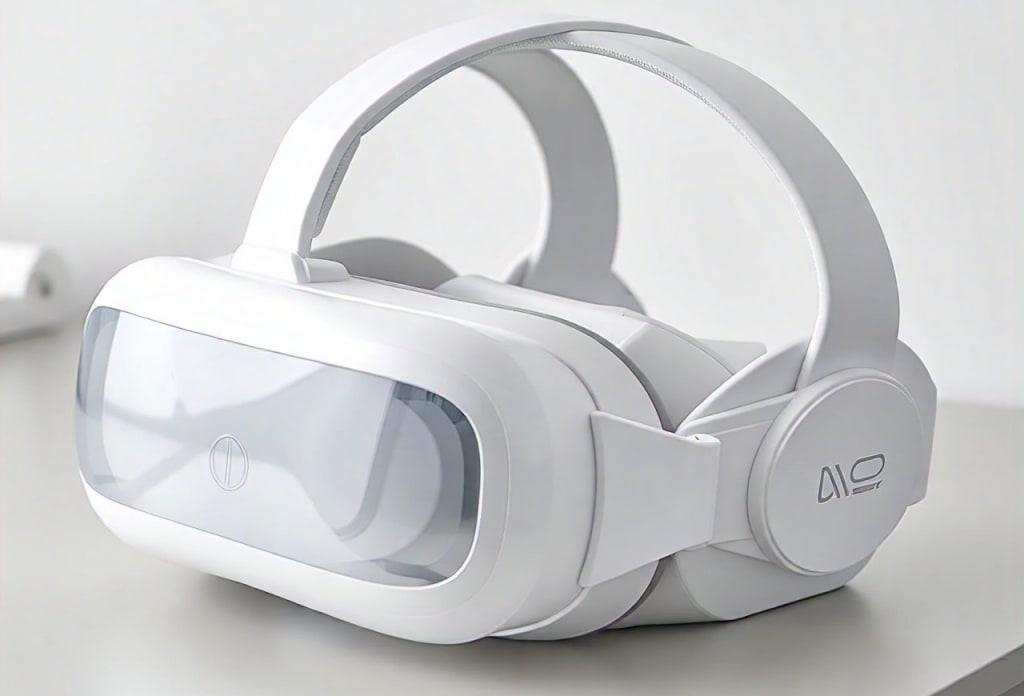
Virtual Reality is a computer-generated simulation that enables users to experience and interact with a three-dimensional, immersive environment. Unlike traditional screen-based interactions, VR engages multiple senses, providing a feeling of presence within a digital world. This is achieved through specialized hardware, such as VR headsets, gloves, and motion sensors, which track user movements and translate them into the virtual space.
Applications of VR in Entertainment
The entertainment industry was one of the earliest adopters of VR technology, particularly in gaming and film. VR gaming offers players an unprecedented level of immersion, allowing them to step into virtual worlds and interact with characters and environments in ways that were previously unimaginable. Additionally, VR films and experiences provide audiences with a new form of storytelling, where viewers can explore scenes and narratives from multiple perspectives. This interactive element enhances the emotional and sensory engagement, making entertainment more captivating.
Educational and Training Applications
VR is also making significant strides in education and professional training. In educational settings, VR enables students to explore historical events, scientific phenomena, and distant locations in a highly interactive manner. Virtual field trips, 3D models, and simulated experiments make learning more engaging and effective. In professional training, VR simulations are used to teach complex skills in fields such as medicine, aviation, and engineering. For instance, medical students can practice surgical procedures in a risk-free virtual environment, while pilots can train using flight simulators that replicate real-life scenarios.
VR in Healthcare
The healthcare sector has embraced VR for a variety of applications, ranging from treatment and rehabilitation to mental health therapy. VR therapy is used to treat conditions such as PTSD, anxiety, and phobias by gradually exposing patients to controlled, therapeutic environments. In physical rehabilitation, VR systems are designed to assist patients in recovering motor skills through interactive exercises. Moreover, VR is used in pain management, providing patients with immersive experiences that distract them from discomfort during medical procedures.
Engineering and Design
In the fields of engineering and design, VR facilitates the creation and visualization of complex structures and prototypes. Architects and engineers can use VR to explore and modify digital models of buildings, machinery, and products before they are physically constructed. This not only improves the design process but also helps identify potential issues and optimize solutions early on. The collaborative aspect of VR allows teams to work together in a shared virtual space, regardless of their physical locations, enhancing communication and efficiency.
Challenges and Future Prospects
Despite its numerous advantages, VR faces several challenges that need to be addressed to realize its full potential. High development costs, the need for advanced hardware, and issues related to user comfort and motion sickness are some of the obstacles. However, ongoing research and technological advancements are expected to mitigate these challenges. The future of VR holds exciting possibilities, including the integration of artificial intelligence, more realistic simulations, and improved accessibility. As technology evolves, VR is poised to become an integral part of our daily lives, transforming how we work, learn, and entertain ourselves.
Conclusion
Virtual Reality is a powerful technology that is redefining the way we experience and interact with digital content. Its applications span various industries, offering innovative solutions and enhancing user experiences. As VR technology continues to advance, it promises to unlock new dimensions of creativity, productivity, and connectivity. Embracing VR will not only enrich our personal lives but also drive progress and innovation across multiple sectors, shaping the future of the digital age.
About the Creator
Dali
Writer on current and relevant topics. Sharing insights with humor and creativity. Let's dive into the future together.
How a Local Exterminator Handles Rodent Infestations: Complete Rodent Control Guide
Rodent infestations are a common problem in both homes and businesses. Mice and rats can enter buildings through very small openings, contaminate food, damage property, and spread harmful diseases. Because rodents reproduce quickly, even a small problem can grow into a serious infestation in a short time. This is why professional rodent control is essential for protecting your property and health.
By Jamal Moore5 days ago in 01




Comments
There are no comments for this story
Be the first to respond and start the conversation.