
Use Cases of Cloud Computing in Hospitals and Clinics
Learn how cloud computing is changing hospitals and clinics with EHR management, telemedicine, and with, secure patient care solutions.

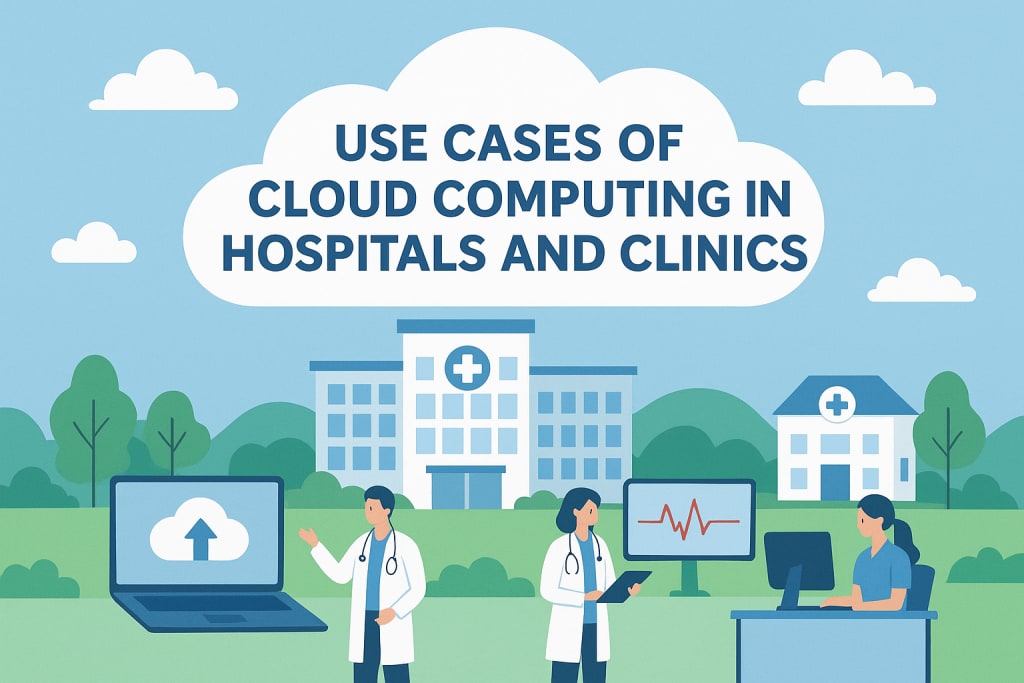
Cloud computing has become a transformative technology across multiple industries, and healthcare is no exception. Hospitals and clinics are increasingly leveraging cloud computing in healthcare to improve patient care, streamline operations, and ensure data security.
By moving critical applications, patient records, and medical tools to the cloud, healthcare providers can access information in real time, collaborate seamlessly across locations, and respond more efficiently to patient needs.
This shift not only enhances operational efficiency but also allows healthcare facilities to scale and innovate without heavy upfront IT investments.
What is Cloud Computing in Healthcare?
Cloud computing in healthcare refers to the delivery of computing services including storage, processing, and software over the internet rather than on local servers or personal devices.
In a healthcare setting, this enables hospitals and clinics to store vast amounts of patient data, run applications, and access software tools remotely, all while ensuring security and compliance with healthcare regulations.
Types of Cloud
- Public Cloud: Services hosted by third-party providers such as AWS, Microsoft Azure, or Google Cloud. These are cost-effective and scalable but require strict attention to compliance.
- Private Cloud: Dedicated cloud infrastructure operated exclusively for a single hospital or clinic. This provides higher control and security for sensitive patient data.
- Hybrid Cloud: Combines public and private clouds to offer flexibility, allowing healthcare organizations to store sensitive data privately while using public cloud resources for less critical workloads.
Benefits for Hospitals and Clinics
- Cost Efficiency: Reduces the need for expensive on-premises infrastructure.
- Scalability: Easily adjusts computing resources according to patient loads or research requirements.
- Accessibility: Provides secure access to patient data and applications from anywhere, improving collaboration.
- Security and Compliance: Ensures adherence to regulations like HIPAA while maintaining strong encryption and backup protocols.
- Innovation Enablement: Supports advanced tools such as AI-driven diagnostics and predictive analytics.
Use Cases of Hospitals
Electronic Health Records (EHR) Management
- Centralized Storage and Easy Access: Hospitals generate enormous amounts of patient data, from medical history to lab results. Cloud-based EHR systems centralize this data, making it accessible to authorized personnel anytime and anywhere.
- Data Security and HIPAA Compliance: Cloud providers ensure encryption, access controls, and regular audits, helping hospitals comply with healthcare regulations while safeguarding sensitive patient information.
Telemedicine and Remote Patient Monitoring
- Virtual Consultations for Inpatients and Specialized Care: Cloud-powered telemedicine platforms allow doctors to conduct virtual consultations, reducing hospital crowding and improving patient reach.
- Real-Time Monitoring of Critical Patients: Wearable devices and sensors can transmit patient vitals to cloud platforms, allowing medical staff to monitor conditions remotely and respond promptly to emergencies.
Medical Imaging and Diagnostics
- Cloud Storage for X-rays, MRIs, and CT Scans: High-resolution imaging requires significant storage capacity. Cloud solutions provide scalable storage that can be accessed by radiologists and specialists in real time.
- AI-Powered Diagnostic Tools for Complex Cases: Cloud-based AI applications can analyze images to detect anomalies such as tumors or fractures, supporting faster and more accurate diagnoses.
Hospital Information Systems (HIS) & Administration
- Scheduling, Billing, and Patient Management: Cloud-based HIS platforms streamline administrative processes, from appointment scheduling to billing and inventory management.
- Streamlined Workflow Across Multiple Departments: With centralized access, different departments—such as radiology, pharmacy, and labs—can coordinate efficiently, reducing errors and delays.
Data Analytics and Predictive Healthcare
- Analyzing Patient Outcomes: Hospitals can use cloud analytics to track patient progress, readmission rates, and treatment efficacy.
- Optimizing Hospital Resources and Operations: Predictive models help manage staffing, bed allocation, and supply chains, improving operational efficiency and patient care.
Disaster Recovery and Data Backup
- Protecting Critical Hospital Data: Cloud systems provide automated backup solutions, ensuring patient records and hospital data are safe from hardware failures or cyberattacks.
- Ensuring Continuity During System Failures: In case of emergencies, hospitals can restore systems quickly from the cloud, minimizing downtime and maintaining patient services.
Use Cases of Clinics
Patient Record Management
- Digital Patient Files Accessible Across Clinic Branches: Clinics often operate multiple branches. Cloud-based patient records ensure that data is consistent and available across locations.
- Secure, Cloud-Based Storage with Easy Updates: Clinicians can update patient records in real time while maintaining compliance with data protection regulations.
Telehealth and Remote Consultations
- Virtual Appointments for Follow-Ups and Minor Treatments: Clinics can offer remote consultations for chronic patients or minor ailments, reducing in-person visits.
- Remote Monitoring for Chronic Patients: Cloud platforms allow continuous monitoring of patients with chronic conditions, providing alerts for irregular readings.
Appointment Scheduling and Billing
- Cloud-Based Tools for Booking, Reminders, and Payments: Clinics can automate appointment scheduling, sending reminders to patients and streamlining payments.
- Reducing Administrative Workload: Staff can focus on patient care rather than paperwork, increasing efficiency.
Collaboration and Knowledge Sharing
- Sharing Medical Research and Patient Insights Among Clinicians: Cloud platforms enable clinics to access the latest research and collaborate with specialists remotely.
- Cloud Tools for Specialist Consultations: Doctors can seek second opinions or discuss complex cases using secure cloud collaboration tools.
Small-Scale Analytics
- Tracking Patient Trends and Treatment Effectiveness: Clinics can analyze patient data to understand patterns, helping improve treatment plans.
- Improving Clinic Resource Allocation: Analytics help optimize staffing, medicine inventory, and scheduling based on patient demand.
Conclusion
Cloud computing is revolutionizing healthcare by enabling hospitals and clinics to deliver better patient care, improve operational efficiency, and ensure data security.
From managing electronic health records to enabling telemedicine and predictive analytics, cloud technology provides a foundation for innovation in healthcare.
Despite challenges like compliance and integration, the future promises broader adoption, smarter analytics, and more connected, patient-centric healthcare services.
About the Creator
Nico Gonzalez
Hi, I'm Nico Gonzalez! I'm passionate about technology, software development, and helping businesses grow. I love writing about the latest trends in tech, including mobile apps, AI and more.
Keep reading
More stories from Nico Gonzalez and writers in 01 and other communities.
AI-Powered Features for Better Real Estate Apps
Real estate has always been about connecting people with the right opportunities whether that’s a dream home, an affordable rental, or a profitable investment property. But with the rise of digital tools, buyers and sellers expect far more than a simple listing directory.
By Nico Gonzalez6 months ago in 01
The Rise of AI Presentation Tools: Transforming the Way We Create Slides
Artificial intelligence is quietly reshaping how we work, learn, and communicate. One area where this shift is especially noticeable is presentation design. Creating slides used to mean hours of formatting, arranging content, and adjusting visuals. Today, AI-powered tools are simplifying that process, helping users turn ideas into polished presentations in a fraction of the time.
By charliesamuelabout 18 hours ago in 01
Understanding Behavioral Health: Why It Matters More Than Ever
Behavioral health is no longer a secondary conversation in healthcare — it is central to how we understand overall well-being. As awareness grows and stigma declines, more individuals, families, employers, and policymakers are recognizing that mental health, emotional wellness, and substance use treatment are essential components of a healthy society.
By Herrick Lipton2 days ago in 01
A Knight of the Seven Kingdoms Series Review (Season 1)
As one of the biggest properties in fantasy, A Song of Ice and Fire remains immensely popular with audiences. After reaching far into the past with House of the Dragon, a second spin-off was on the cards. A Knight of the Seven Kingdoms serves up a bite-sized slice of action and drama, but it still claims a spot among the best small-screen titles.
By Robert Cain6 days ago in Geeks



Comments
There are no comments for this story
Be the first to respond and start the conversation.