
Unveiling the Mysteries Beyond Our Solar System
The Fascinating Quest for Exoplanets

INTRODUCTION
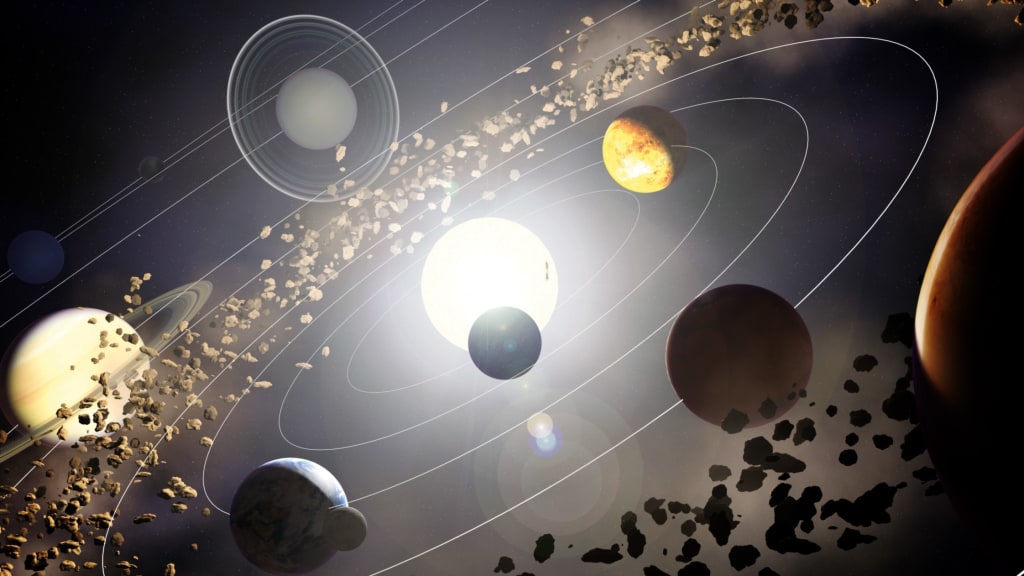
The vastness of the universe has always intrigued humanity, fueling our desire to explore beyond the boundaries of our own solar system. Over the past few decades, astronomers have made remarkable progress in detecting and studying exoplanet planets that orbit stars outside our sun. This pursuit has uncovered a plethora of diverse worlds, raising intriguing questions about the existence of extraterrestrial life and expanding our understanding of the cosmos. In this article, we embark on a captivating journey through the realms of exoplanet research, delving into the latest discoveries, revolutionary techniques, and the profound implications they hold for humanity.
Exploring Exoplanets
The discovery of the first exoplanet in 1992 marked a groundbreaking milestone, igniting a scientific revolution. Since then, astronomers have identified thousands of exoplanets through various observational methods, including the transit method and the radial velocity method. These techniques enable scientists to detect the subtle gravitational interactions and periodic dimming of starlight caused by exoplanets as they pass in front of their host stars.
The Diversity of Exoplanets
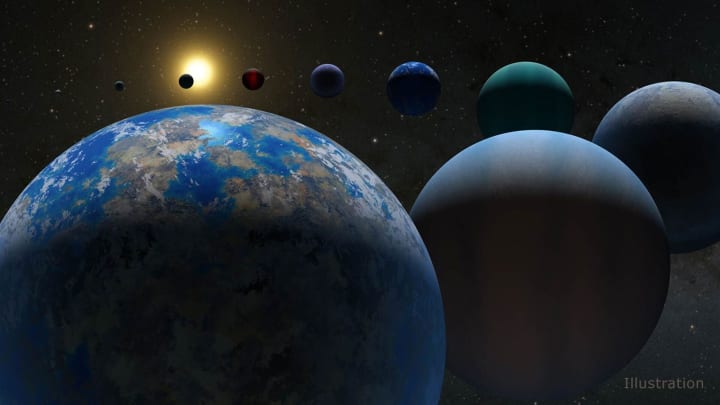
Exoplanets come in an astounding variety of sizes, compositions, and environments. From gas giants larger than Jupiter to rocky, terrestrial planets akin to Earth, our observations have unveiled an incredible tapestry of worlds. Some exoplanets reside in the habitable zone, where conditions may support liquid water and potentially harbor life as we know it. Exoplanets with extreme features, such as scorching temperatures or bizarre atmospheres, challenge our preconceived notions of planetary formations.
The Quest for Extraterrestrial Life
The search for extraterrestrial life is one of the most captivating aspects of exoplanet exploration. Scientists study the atmospheric composition of exoplanets, searching for bio signature indicators of life, such as the presence of oxygen or methane. Promising candidates, like the TRAPPIST-1 system with seven Earth-sized planets, instill hope that we may one day detect signs of life beyond our solar system. While we are yet to find definitive evidence, the ongoing exploration of exoplanets brings us closer to answering the profound question of whether we are alone in the universe.
Revolutionizing Technology
Advancements in technology have been crucial to the exponential growth of exoplanet discoveries. The development of space-based observatories like the Hubble Space Telescope and the Transiting Exoplanet Survey Satellite (TESS) has greatly expanded our observational capabilities. Ground-based instruments, such as the Keck Observatory and the European Southern Observatory's Very Large Telescope (VLT), contribute vital data for further study. Furthermore, the upcoming James Webb Space Telescope promises to revolutionize exoplanet research by enabling detailed observations of planetary atmospheres.
CONCLUTION
The quest for exoplanets has redefined our place in the universe, challenging our understanding of planetary systems and offering glimpses into the potential abundance of habitable worlds. As technology continues to improve, our ability to detect and study exoplanets will grow exponentially, paving the way for exciting discoveries and a deeper understanding of our cosmic neighborhood. Perhaps, in the not-too-distant future, we will find evidence of life beyond Earth, forever transforming our perception of the universe and our place within it. Until then, we eagerly await the next breakthroughs in exoplanet research, fueling our insatiable curiosity about the vast mysteries that lie beyond our solar system.
The European Space Agency’s Jupiter Icy Moons Explorer (Juice) launched on the 14th April 2023 on an eight-year voyage to our solar system’s largest giant gas planet – Jupiter. The Juice mission is embarking on an extraordinary journey to unravel some of the mysteries of Jupiter and its fascinating moons.
To reach Jupiter using as little power as possible, multiple gravity assist Manoeuvres are performed. This uses the gravitational pull of other planets to get sucked in, and sling shot out the other side with a greater speed. Juice will perform several of these manoeuvres, including a solar system first: a binary gravity assist with both our Moon and Earth, arriving at Jupiter in 2031. It may take time, but it is extremely efficient.

More than 5,000 worlds exist beyond our solar system. There could be billions more..
About the Creator
theycalmewaj3h
“Just one small positive thought in the morning can change your whole day.” — ...
Keep reading
More stories from theycalmewaj3h and writers in 01 and other communities.
School Days: Transformative Journey
“Learning is a treasure that will follow its owner everywhere.” School days are a significant part of everyone's life, shaping individuals into who they are today. Beyond textbooks and exams, schools provide a nurturing environment where friendships are forged, talents are discovered, and lifelong memories are created. In this article, we will explore the transformative power of school days, highlighting the experiences, challenges, and joys that make this period so special.
By theycalmewaj3h3 years ago in Education
How Tax Outsourcing Companies Are Helping U.S. Businesses Stay Compliant and Profitable
Taxes are one of the most unavoidable parts of doing business in the United States. Whether you’re running a small startup or managing a growing company, tax compliance can quickly turn into a major headache. This is where Tax Outsourcing Companies have become a game-changer for businesses across the USA. By handing over complex tax responsibilities to professionals, companies are finding smarter ways to save time, reduce errors, and stay compliant with ever-changing tax laws.
By Outsourced Bookkeeping Solutions7 days ago in 01
Elon Musk called medical school "pointless," but Jeff Bezos wants Gen Z to finish college before starting their own companies — as AI threatens entry-level jobs
The job market is becoming volatile by the minute as generative AI becomes more prevalent and gains broad adoption across organizations worldwide. Last year, Salesforce CEO Marc Benioff revealed that the company is seriously debating hiring software engineers, citing "incredible productivity gains" from agentic AIs.
By Dena Falken Esq4 days ago in 01




Comments
There are no comments for this story
Be the first to respond and start the conversation.