
Unveiling the Cost Factors of Web Scraping: Key Considerations for Your Business
This post will explain the main factors affecting the web scraping cost. Read on to know more.
Web scraping is extracting data from websites using automated scripts or bots. The cost of web scraping depends on several factors. Firstly, the complexity of the website is a significant factor in determining the cost of scraping. A website with a simple structure and clean HTML code will be easier to scrape and will take less time and effort.
On the other hand, a website with a complex structure and dynamic content will require more time and effort to extract the desired data, increasing the cost of scraping.
Let us take a look at these factors in detail.
Key Factors Affecting the Cost of Web Scraping
1. Robust Crawling Infrastructure
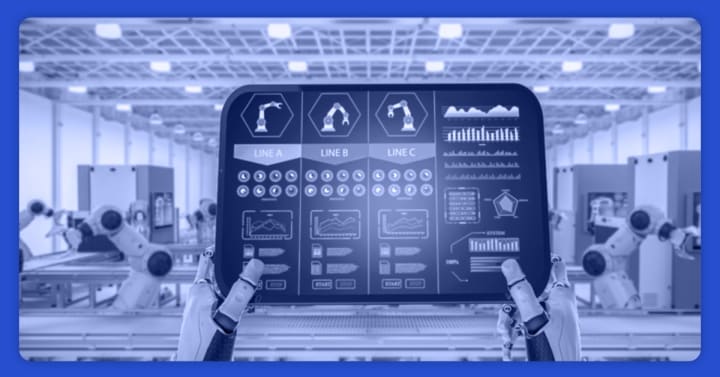
A robust crawling infrastructure includes the hardware, software, and network resources necessary to support high-volume and high-frequency web scraping.
Investing in a robust crawling infrastructure can help to reduce the cost of web scraping in several ways:
- It allows faster and more efficient web scraping, saving time and reducing labor costs.
- It can help to avoid downtime and other technical issues that can cause delays and increase costs.
- A robust infrastructure can allow for greater scalability, enabling web scraping to be performed on a larger scale without incurring high costs.
However, building and maintaining a robust crawling infrastructure can also be expensive. The hardware, software, and network resources required can be expensive to acquire and maintain because additional technical staff may be needed to manage and support the infrastructure.
2. The Number of Websites to be Crawled
Generally, the more websites to be crawled, the higher the cost. This is because crawling many websites requires more time, resources, and computing power. The complexity and structure of the websites can also affect the cost, as some websites may require more advanced crawling techniques or additional customization.
In addition to the initial cost of setting up a web scraping project, ongoing maintenance, and updates may also be necessary to ensure that the data is consistently and accurately scraped. It can also increase the cost of web scraping, especially if the number of websites crawled continually grows.
3. Platforms Need to Scrape

Different platforms may have different structures, formats, and access restrictions, which can impact the complexity of the scraping process and the resources required. Some platforms may require more advanced scraping techniques, such as browser automation or API integration, which can increase the development time and cost.
Moreover, some platforms may have specific terms and conditions or legal considerations that must be considered when scraping their data. For example, some platforms may prohibit automated scraping, while others may require explicit permission or limit the frequency and volume of requests.
The size and popularity of the platforms can also influence the cost of web scraping. Scraping data from large, well-known platforms can require more computing power and resources and may also be more complex due to the volume of data or the need to bypass anti-scraping measures.
4. The Volume of Data to Scrape

Generally, the more data that needs to be scraped, the higher the cost. Scraping large amounts of data requires more time, resources, and computing power.
The complexity and structure of the data can also impact the cost of scraping. Structured data, such as data in tables or lists, are generally easier to scrape and process than unstructured data, such as text or images. Additionally, some data types, such as multimedia content or real-time data, may require more advanced scraping techniques or additional resources, increasing the cost.
Moreover, the frequency of scraping can also impact the cost of web scraping. If data needs to be scraped regularly, such as daily or weekly, then ongoing maintenance and updates may be necessary, which can also increase the cost over time.
5. Complexity Involved in Scraping

The more complex the scraping process, the higher the cost. Complexity can be defined by various factors such as the data structure, the number of websites and platforms involved, the type of data to be scraped, the number of fields to be extracted, the level of authentication and security required, and the frequency of scraping.
For instance, scraping data from websites that use dynamic content loading or require authentication to access the data can be more complex and require more advanced scraping techniques. Similarly, scraping unstructured data, such as images or videos, may require specialized tools and resources, increasing the cost.
Furthermore, the customization required for scraping can also affect the cost. For example, the project cost can increase if a client needs data to be scraped and stored in a specific format or needs Custom Web Scraping fields to be extracted.
A highly complex scraping process will require more time, resources, and expertise, increasing costs. It is essential to properly assess the complexity of a web scraping project and estimate the resources required to ensure that the project is feasible and cost-effective.
6. Web Scraping Frequency
The web scraping frequency can significantly affect the cost of web scraping. The more frequent the scraping, the higher the cost. It is because scraping data regularly, such as hourly or daily, requires more resources and computing power than occasional scraping.
Frequent scraping can also increase the amount of data to be stored, processed, and analyzed, further increasing the cost. Additionally, suppose data needs to be scraped in real-time or near real-time, such as for monitoring social media or financial markets. In that case, more advanced scraping techniques and infrastructure may be required, which can also increase the cost.
Suppose data needs to be scraped regularly. In that case, ongoing monitoring and updates may be necessary to ensure that the data is consistently and accurately scraped, which can also increase the cost over time. Moreover, the scraping frequency can impact the maintenance and updates required for the scraping project.
7. Proxy Providers, CAPTCHA handlers, etc.
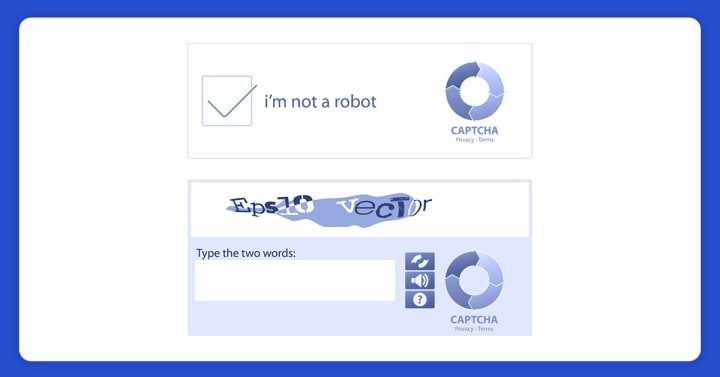
Proxy providers can provide a way to route requests through different IP addresses, allowing for increased anonymity and bypassing IP-based restrictions. However, using proxy providers can come with a cost, as many providers charge based on usage or provide different pricing plans based on the number of IPs or bandwidth used.
Similarly, CAPTCHA handlers can be used to bypass or solve CAPTCHAs that may be encountered during scraping. However, many CAPTCHA handlers require payment or charge based on the number of CAPTCHAs solved.
The cost of using proxy providers and CAPTCHA handlers will depend on the number of requests and IP addresses or CAPTCHAs required. The more requests made, the higher the cost of using these services.
Additionally, some websites may require more advanced proxy and CAPTCHA handling techniques, which can further increase the cost. For example, some websites may use more sophisticated CAPTCHA methods that require machine learning or human interaction, which can be more expensive.
8. Proxy Types and Management
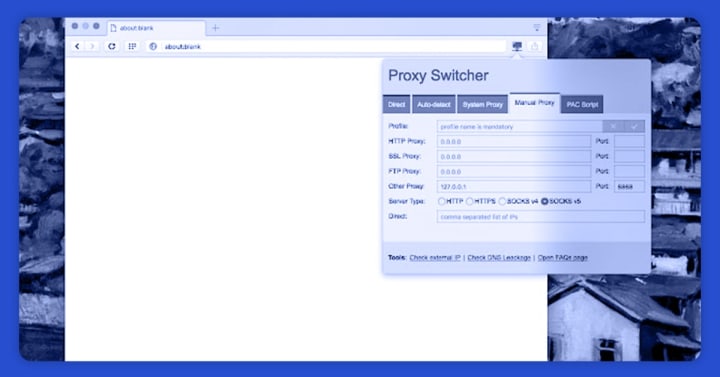
The type of proxy used and how they are managed, can impact the cost in various ways.
Different types of proxies have different costs associated with them. For example, dedicated proxies can be more expensive than shared proxies, as they offer higher levels of anonymity and security. Additionally, proxies located in specific regions or countries may be more expensive than those located elsewhere, depending on the location of the websites being scraped.
Moreover, the management of proxies can also impact the cost. For instance, the cost of managing a pool of proxies can depend on the number of proxies required, the frequency of rotation, and the rotation method. In some cases, proxy management services may be required to manage and monitor the proxies, which can add to the cost.
Furthermore, using proxies can affect the scraping speed, which can also impact the cost. Slow or unreliable proxies can result in slower scraping times, increasing the time and resources required to complete the scraping process.
9. The number of Cloud Servers and VMs to be Allocated
The more servers and VMs required, the higher the cost. The cost of cloud servers and VMs can depend on several factors, such as the number of instances required, the specifications of the instances (e.g., CPU, memory, storage), the location of the instances, and the length of time they are used. Different cloud service providers may also have different pricing structures, so it's important to compare pricing and choose the most cost-effective option for the specific requirements of the web scraping project.
Moreover, the number of servers and VMs required can impact the performance and speed of the scraping process. Allocating more resources can result in faster scraping times and better performance, but this can also increase the cost.
Additionally, the duration of server and VM usage can also impact the cost. Longer usage periods may be more cost-effective in the long run but may require a higher initial investment.
10. Development and ongoing Monitoring
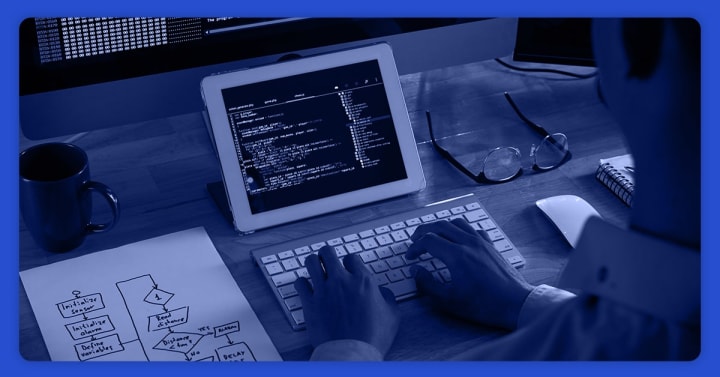
Development and ongoing monitoring can significantly affect the cost of web scraping. The initial development process involves creating custom scraping scripts and programming the software to extract and parse data from websites. This process can require a significant amount of time and resources, depending on the complexity of the scraping task and the amount of data to be collected.
Additionally, ongoing monitoring is required to ensure the scraping process works effectively and efficiently. It can involve monitoring the performance of the scraping scripts, ensuring that the data is being extracted correctly, and making any necessary adjustments to the scripts to accommodate changes to the website structure or data format.
The cost of development and ongoing monitoring will depend on several factors, such as the complexity of the scraping task, the amount of data to be collected, the number of websites to be scraped, and the frequency of updates to the website structure and data format.
Furthermore, the cost of development and ongoing monitoring may also depend on the expertise and experience of the development team. Hiring experienced developers with expertise in web scraping can increase the cost but can also result in a higher-quality product that requires less ongoing maintenance and monitoring.
Overall, development and ongoing monitoring are important factors to consider when estimating the cost of web scraping.
11. Any Further Data Enrichment Required
The cost of further data enrichment will depend on several factors, such as the complexity of the data to be added, the amount of data to be enriched, and the type of data enrichment required. For instance, adding basic demographic data such as age or gender may be less complex and less expensive than adding complex geographic or industry-specific data.
Additionally, the cost of data enrichment may depend on the additional data sources. Accessing third-party data sources may require additional fees or subscriptions, which can increase the overall cost of the web scraping project.
Data enrichment may also require additional development and programming work to integrate the enriched data with the scraped data. This can add to the initial development costs of the web scraping project.
Wrap
In conclusion, the cost of web scraping is influenced by various factors, including the complexity of the data sources, the volume and frequency of data extraction, the expertise and experience of the web scraping services provider, and the legal and ethical considerations of web scraping. Businesses and organizations must carefully consider these factors when determining the cost of web scraping and selecting a service provider. By taking a strategic approach to web scraping and working with a reputable and experienced provider, businesses can extract valuable data from the web and gain a competitive advantage in their industry.
About the Creator
Keep reading
More stories from Naresh Singh and writers in 01 and other communities.
Comprehensive Guide on Extracting Google Search Engine Results Page
Introduction Digital marketers, data analysts, and IT professionals have employed scraping for some time, even though it may seem like a novel notion for your business or personal activities. By going through the essentials first, you can set the scene.
By Naresh Singh3 years ago in Journal
Top 10 SEO Experts in Pakistan 2026
Pakistan continues to establish itself as a key contributor to the global digital marketing industry. By 2026, the country has developed a mature SEO ecosystem that extends well beyond traditional keyword optimization.
By SEO EXPERT IN PAKISTAN 2025about 21 hours ago in 01
Best AR15 Rail Systems for Home Defense, Duty & Range Use
The AR15 platform is renowned for its modularity, and choosing the right rail system—also known as an AR15 handguard or AR15 rail—can significantly enhance performance for specific applications. For home defense, the Aero Precision ATLAS S-ONE stands out as a lightweight, slim M-LOK option that allows quick accessory mounting like lights for low-light scenarios. In duty use, the Midwest Industries Combat Rail excels with its rugged quad-rail design for heavy attachments. For range sessions, the STNGR HWK M-LOK handguard offers excellent value, balancing weight and versatility for extended shooting.
By Ar15handguard2 days ago in 01


Comments