
Unlocking the Profit Potential of NFT Game Development: Monetizing the Future of Blockchain Gaming
NFT Game development
Introduction:
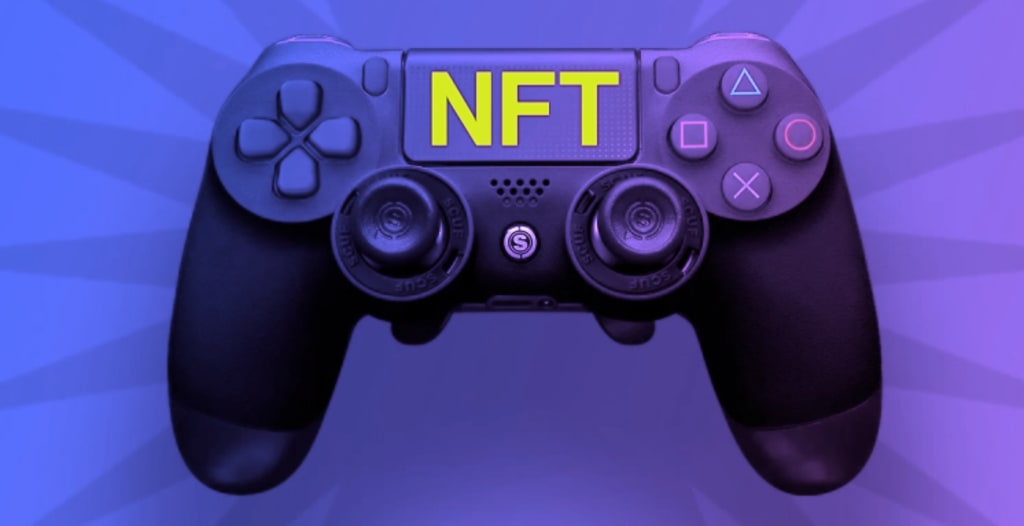
NFT game development has emerged as a revolutionary market opportunity within the gaming industry, fueled by the rise of blockchain technology and the unique characteristics of non-fungible tokens (NFTs). In this blog, we delve into the profit models of NFT game development and explore the various strategies that developers can employ to unlock the full potential of this exciting sector. By understanding the revenue streams, play-to-earn mechanics, NFT marketplaces, collaborations, and community engagement, game developers can create immersive and profitable gaming experiences.
In-Game Purchases and Virtual Item Sales:
One of the primary revenue streams in NFT game development is through in-game purchases and virtual item sales. By creating a diverse range of unique and desirable NFTs, game developers can offer players the opportunity to acquire and collect these virtual assets within the game. These NFTs can range from character skins and cosmetic items to powerful in-game weapons or rare collectibles. The scarcity and exclusivity of these items can drive player engagement and increase their willingness to spend real-world currency or cryptocurrencies to acquire them.
Play-to-Earn and Token Rewards:
Play-to-earn mechanics have gained significant traction in the NFT game development space. By rewarding players with in-game tokens or cryptocurrencies based on their gameplay achievements, developers can incentivize active participation and provide players with a tangible and valuable reward for their time and effort. These tokens can be used within the game's ecosystem for purchasing items, upgrading characters, or even traded on external exchanges for real-world value. Implementing a balanced token economy that encourages ongoing gameplay, investment, and strategic decision-making can foster player loyalty and drive monetization opportunities.
NFT Marketplace and Secondary Sales:
NFT marketplaces within NFT games present an additional revenue stream for game developers. These marketplaces enable players to trade, buy, and sell their NFTs with other players, creating a vibrant secondary market for in-game assets. Game developers can earn transaction fees or royalties from each sale conducted on the marketplace, generating ongoing revenue. By fostering a healthy marketplace economy, developers can encourage active trading and promote the acquisition of rare or sought-after NFTs, further driving revenue through increased transaction volume.
NFT Farming and Staking:
NFT farming and staking mechanisms offer game developers an opportunity to engage players in long-term investment and monetization. By allowing players to stake or hold NFTs within the game ecosystem, developers can create additional rewards and incentives for players. This mechanism encourages players to acquire and hold valuable NFTs, which can unlock special benefits or yield additional in-game rewards. By designing strategic mechanics that balance risk and reward, developers can create an engaging ecosystem that promotes player retention and fosters ongoing monetization opportunities.
Collaborations and Partnerships:
Collaborations with artists, brands, or celebrities can significantly enhance the value and appeal of NFT games. By partnering with renowned artists or iconic brands, game developers can create exclusive and limited-edition NFTs that hold significant value for collectors and players alike. These collaborations can attract a broader audience, increase brand visibility, and drive revenue through the sale of these unique NFTs. Additionally, partnering with other game developers to create cross-game events or promotions can expand the player base, boost user engagement, and create synergistic revenue opportunities.
Subscription Models and Premium Features:
Subscription models offer a recurring revenue stream for NFT games. By offering subscription packages with exclusive in-game features, bonuses, or benefits, developers can provide players with a premium gameplay experience. These subscriptions can be structured as monthly, quarterly, or annual plans, providing players with ongoing access to enhanced content, special events, or early access to new releases. Implementing a subscription model not only generates predictable revenue but also fosters player loyalty and creates a sense of community among subscribed players.
Community Engagement and Monetization:
Building a vibrant and engaged community is crucial for the success of an NFT game. Community engagement can be monetized through various avenues, such as organizing in-game events, tournaments, and challenges that require entry fees or offer sponsored rewards. Additionally, fostering a social environment within the game where players can interact, share experiences, and create user-generated content can drive player retention and attract new users. Collaborations with influencers or content creators can amplify community engagement and generate additional revenue through sponsorship collaborations or virtual events.
Metaverse Integration and Expansion
Integrating NFT games into the broader metaverse ecosystem presents significant opportunities for expansion and monetization. By enabling cross-platform compatibility and interoperability, players can seamlessly transfer their in-game assets or characters between different virtual worlds or blockchain-based games. This integration expands the player base, opens new avenues for collaboration, and leverages the broader metaverse ecosystem to drive monetization opportunities. Collaborating with other metaverse projects, virtual world platforms, or decentralized finance protocols can unlock additional revenue streams and create a more immersive gaming experience for players.
Conclusion:
NFT game development offers an exciting landscape of profit models and monetization strategies. By leveraging in-game purchases, play-to-earn mechanics, NFT marketplaces, collaborations, subscription models, and community engagement, developers can create sustainable and profitable gaming experiences. Embracing the potential of NFT game development not only unlocks revenue streams but also introduces players to a new era of ownership and value within virtual worlds. As blockchain technology continues to advance and the gaming industry evolves, NFT games are poised to shape the future of gaming, offering lucrative opportunities for developers, players, and collectors alike.
About the Creator
Keep reading
More stories from samual D. diaz and writers in 01 and other communities.
Building Immersive Experiences: Exploring NFT Game Development
Introduction: Welcome to our comprehensive guide on NFT game development, where we dive into the exciting world of blockchain-powered gaming experiences. As the popularity of NFTs continues to soar, integrating these unique digital assets into games opens up new opportunities for players and developers alike. In this blog, we will explore the rise of NFT games, the game development process, the value of in-game assets as NFTs, play-to-earn models, NFT gaming marketplaces, designing game economies, community building, monetization strategies, challenges, and future trends. Let's embark on this journey and discover how NFTs are shaping the future of gaming.
By samual D. diaz3 years ago in 01
The AI/ML Development Roadmap: How Do You Scale from PoC to Production?
Companies build Artificial Intelligence models to solve specific business problems. However, most of these projects fail before human workers ever use them. Engineers create a successful Proof of Concept (PoC) in a laboratory setting. The model works perfectly on historical data. The project then dies when the company tries to connect the model to live software.
By ViitorCloud Technologies4 days ago in 01



Comments
There are no comments for this story
Be the first to respond and start the conversation.