
Understanding Breast Cancer
Understanding Breast Cancer: Causes, Diagnosis, and Treatment
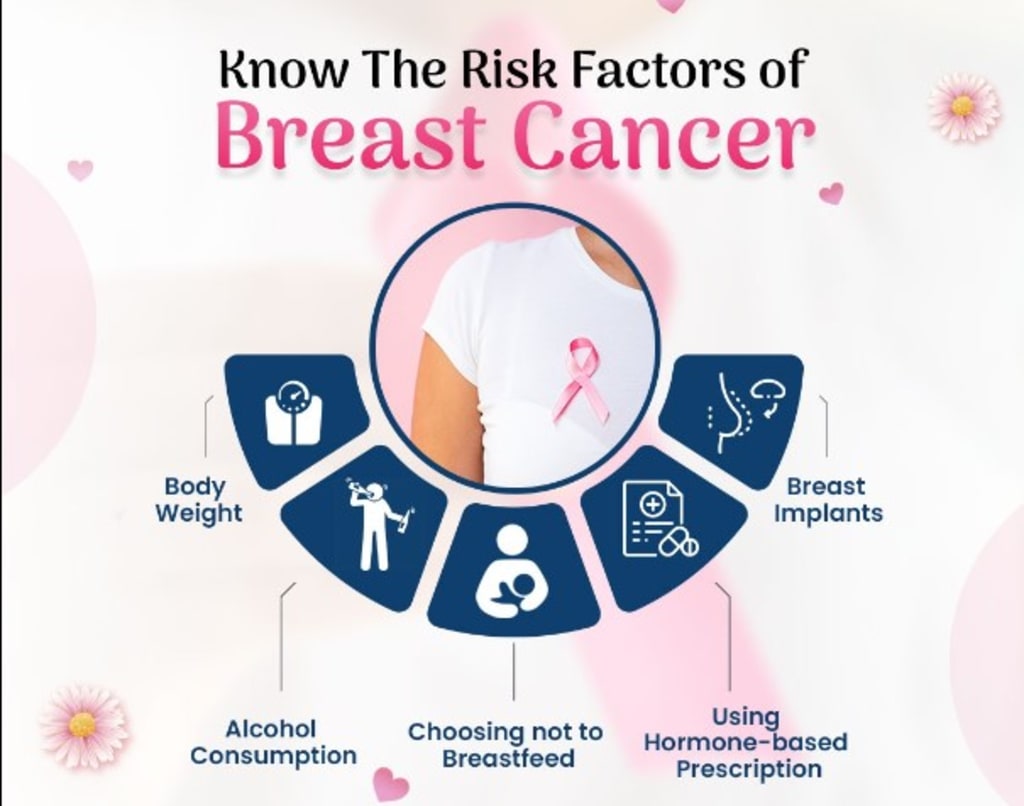
Breast cancer remains one of the most common cancers affecting women worldwide. Despite significant advancements in medicine, it continues to be a critical health issue that demands awareness, early detection, and effective treatment. This blog will delve into the complexities of breast cancer, from its causes and risk factors to its diagnosis and treatment options, shedding light on how to navigate this challenging health journey.
What is Breast Cancer?
Breast cancer begins when cells in the breast grow uncontrollably, leading to the formation of a tumor. If left unchecked, these cancerous cells can invade nearby tissues or spread to other parts of the body, a process known as metastasis. Breast cancer primarily occurs in women, although men can also develop it.
There are several types of breast cancer, but the most common include:
1. Ductal Carcinoma In Situ (DCIS): A non-invasive form where abnormal cells are found in the lining of the breast milk duct but have not yet spread to surrounding tissue.
2. Invasive Ductal Carcinoma (IDC): The most common type of breast cancer, IDC begins in the breast milk duct and then invades nearby tissue. From here, it can spread to other areas of the body.
3. Invasive Lobular Carcinoma (ILC): Starting in the milk-producing glands (lobules), ILC can also spread to other body parts.
Other, less common forms include inflammatory breast cancer and triple-negative breast cancer. Each type presents unique challenges and may require different approaches for treatment.
Causes and Risk Factors
While the exact cause of breast cancer remains unknown, various risk factors increase the likelihood of developing the disease. These include:
1. Gender and Age: Being female and aging are two of the most significant risk factors. Most breast cancer cases occur in women over 50.
2. Genetic Mutations: Inherited mutations, particularly in the BRCA1 and BRCA2 genes, significantly increase the risk of breast and ovarian cancers. Women with these mutations are often recommended to undergo enhanced screening and, in some cases, preventative surgery.
3. Family History: Having close relatives with breast cancer increases your risk, particularly if the cancer was diagnosed before menopause.
4. Hormonal Factors: Prolonged exposure to estrogen and progesterone, such as early menstruation, late menopause, or hormone replacement therapy (HRT), can increase risk.
5. Lifestyle Factors: Factors like a sedentary lifestyle, alcohol consumption, smoking, and obesity have all been linked to a higher risk of developing breast cancer.
6. Radiation Exposure: Women who have undergone radiation therapy, particularly to the chest, have an increased likelihood of developing breast cancer later in life.
Symptoms of Breast Cancer
Early-stage breast cancer may not cause any noticeable symptoms, which is why regular screenings are crucial. However, as the disease progresses, symptoms may include:
• A lump in the breast or underarm
• Changes in breast shape or size
• Unexplained breast pain
• Nipple discharge, especially if it's bloody
• Skin changes on the breast, such as dimpling or redness
These symptoms don’t necessarily indicate cancer, but if they persist, it’s essential to consult a healthcare professional for an evaluation.
Importance of Early Detection
Early detection of breast cancer greatly increases the chances of successful treatment. Several methods can be employed to detect the disease at an early stage:
1. Self-Examination: Regular self-examinations can help women become familiar with their breasts and notice any unusual changes. While not as effective as clinical methods, it's a good first step in breast health awareness.
2. Clinical Breast Exams: During a routine medical exam, a healthcare provider will check for lumps or other changes in the breast.
3. Mammography: Mammograms are X-ray images of the breast and are considered the gold standard for breast cancer screening. Regular mammograms, especially for women over 40, can detect tumors that are too small to be felt.
4. Ultrasound and MRI: These imaging tests may be used alongside mammography to examine breast tissue, especially in women with dense breasts or those at high risk.
5. Genetic Testing: Women with a family history of breast cancer may undergo genetic testing to check for BRCA mutations or other genetic anomalies that increase cancer risk.
Diagnosis of Breast Cancer
Once a suspicious lump or abnormal mammogram is found, further diagnostic tests are necessary to confirm whether it is cancerous. These tests include:
1. Biopsy: A biopsy involves removing a small sample of breast tissue for laboratory testing. The results can confirm whether the lump is benign (non-cancerous) or malignant (cancerous), and the type of breast cancer, if present.
2. Staging: After a diagnosis, the cancer is staged to determine its size, spread, and severity. Staging helps in forming a treatment plan and predicting outcomes. The stages range from 0 (non-invasive) to IV (metastatic, where the cancer has spread to distant organs).
Treatment Options for Breast Cancer
The treatment for breast cancer depends on various factors, including the type, stage, and grade of the tumor, as well as the patient's overall health and preferences. The main treatment options include:
1. Surgery:
o Lumpectomy: Also known as breast-conserving surgery, a lumpectomy involves removing the tumor and a small margin of surrounding tissue.
o Mastectomy: In more advanced cases, a mastectomy may be performed, where the entire breast is removed. There are different types of mastectomies, including skin-sparing and nipple-sparing procedures, depending on the patient's condition and preferences.
o Lymph Node Removal: During surgery, nearby lymph nodes may be removed to check if the cancer has spread.
2. Radiation Therapy: Radiation uses high-energy rays to target and destroy cancer cells. It’s often used after surgery to kill any remaining cancer cells in the breast, chest wall, or axillary lymph nodes.
3. Chemotherapy: Chemotherapy involves the use of drugs to kill or shrink cancer cells. It may be given before surgery (neoadjuvant chemotherapy) to reduce the size of the tumor or after surgery (adjuvant chemotherapy) to eliminate remaining cancer cells.
4. Hormone Therapy: If the cancer is hormone receptor-positive, medications like tamoxifen or aromatase inhibitors may be prescribed to block estrogen or lower its levels in the body, slowing the growth of hormone-sensitive tumors.
5. Targeted Therapy: Targeted therapies, such as trastuzumab (Herceptin), specifically attack cancer cells that overexpress the HER2 protein, which is involved in the growth and division of cancer cells.
6. Immunotherapy: For some cases, especially triple-negative breast cancer, immunotherapy drugs help the immune system recognize and attack cancer cells more effectively.
Life After Treatment: The Road to Recovery
The end of treatment is just the beginning of the recovery journey for many breast cancer survivors. Regular follow-up visits with healthcare providers are essential to monitor for any signs of recurrence or complications. Survivors may also face physical and emotional challenges, such as:
• Lymphedema: The swelling of the arm or breast, often due to lymph node removal or radiation therapy, is a common post-treatment concern.
• Fatigue: Cancer treatment can cause significant fatigue, which may persist for months or even years after treatment ends.
• Mental Health: The emotional toll of a cancer diagnosis and its treatment can lead to anxiety, depression, and stress. Many survivors benefit from support groups, therapy, or counseling.
For some, lifestyle changes, such as adopting a healthier diet, engaging in regular exercise, and quitting smoking, can improve overall well-being and reduce the risk of cancer recurrence.
Breast Cancer and Family Planning
For younger women diagnosed with breast cancer, fertility may be a concern. Some treatments, such as chemotherapy, can affect the ability to conceive. Women who wish to have children after cancer treatment should discuss fertility preservation options with their doctor before starting therapy. Options like egg or embryo freezing can provide the possibility of having children in the future.
The Importance of Support Systems
A breast cancer diagnosis can be overwhelming, and having a strong support system can make a significant difference in a patient's emotional and physical well-being. Family members, friends, and support groups provide comfort, guidance, and practical help during treatment and recovery.
Conclusion
Breast cancer is a multifaceted disease with numerous factors influencing its development, diagnosis, and treatment. While it is a life-changing diagnosis, early detection, advances in medical treatments, and a robust support system can significantly improve outcomes. Whether you’re navigating your breast cancer journey or supporting a loved one, staying informed and proactive is crucial in fighting this disease.
Best Breast Cancer Doctor in Delhi | Dr. Gopal Sharma
If you or a loved one is facing breast cancer, it's essential to consult with an experienced medical professional to explore the best treatment options. Dr. Gopal Sharma, one of the top breast cancer specialists in Delhi, offers comprehensive care and personalized treatment plans to help patients navigate this challenging time with confidence and hope.
About the Creator
sammmey
Hello Dear
I am Sammey and i am a medial adveiger at Delhi NCR.
Amsterdam Becomes Europe’s Video Hub for Global Brands
Amsterdam’s rise as a European video-production centre is no accident. The Dutch capital combines historic charm with state-of-the-art infrastructure. For example, one expert notes that the Netherlands offers “advanced digital infrastructure” with nationwide 5G and even “one of the world’s largest internet hubs (Amsterdam Internet Exchange)”. This high-speed connectivity underpins the city’s media cluster – cities like Amsterdam and nearby Hilversum are “powerhouses of media production,” hosting leading broadcasters and streaming giants. At the same time, Amsterdam’s creative community is vast and diverse. Official sources report “more than 200,000 people from over 20 nationalities” work in the Amsterdam-area creative industries, and the city’s “vibrant creative hub is renowned globally for its excellence”. These artists, designers and filmmakers are continually collaborating on international campaigns, driven by Amsterdam’s inclusive culture, reliable broadband and easy European connections.
By Kashif Khan4 days ago in 01



Comments
There are no comments for this story
Be the first to respond and start the conversation.