
Types of Advertisements: A Comprehensive Guide
Advertising is a cornerstone of modern business, serving as the primary way companies communicate with potential customers.

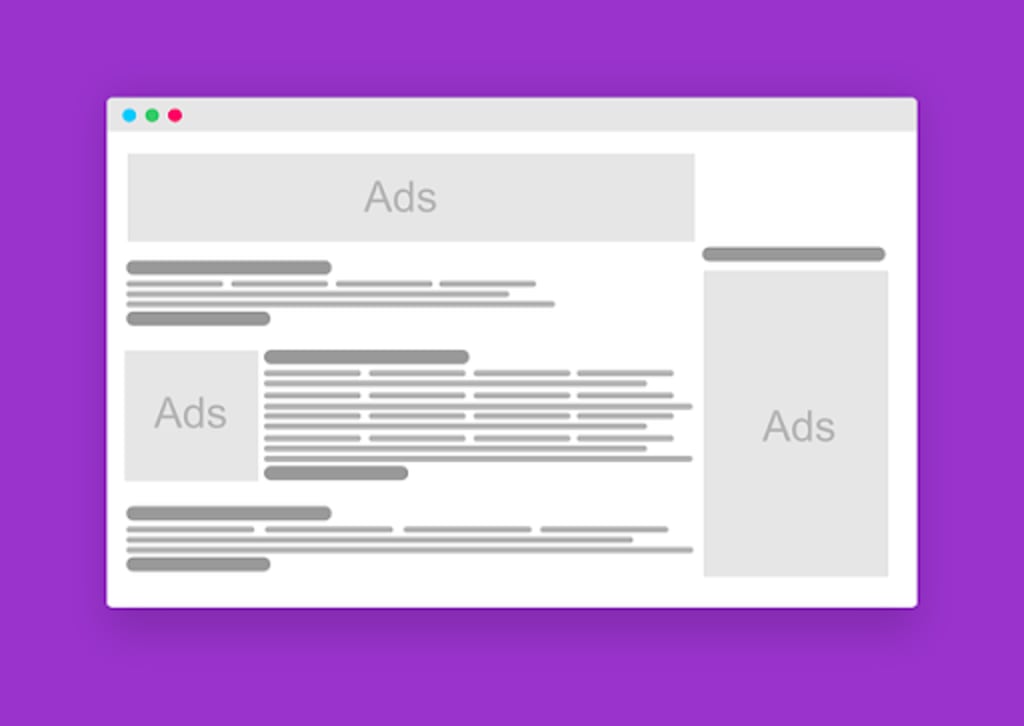
Advertising is a cornerstone of modern business, serving as the primary way companies communicate with potential customers. Ads come in various forms, each tailored to specific audiences, goals, and platforms. Below, we explore the most common types of advertisements, their characteristics, and how businesses leverage them to build brand awareness and drive sales.
1. Print Advertising
Print advertising is one of the oldest forms of marketing and includes advertisements in newspapers, magazines, brochures, and flyers. These ads are tangible and can be highly targeted, especially in niche magazines or local publications.
Advantages:
- High credibility and trustworthiness.
- Long shelf life for magazines and brochures.
Disadvantages:
- Declining readership in the digital age.
- Higher production and placement costs compared to digital ads.
2. Television Advertising
Television ads are highly visual and can reach large audiences through commercial breaks during programming. These ads can range from brief 15-second spots to more elaborate campaigns.
Advantages:
- Broad reach, especially during popular programming.
- Engages multiple senses with audio and visuals.
- High impact for brand storytelling.
Disadvantages:
- Expensive production and airtime costs.
- Limited targeting compared to digital advertising.
3. Radio Advertising
Radio ads focus solely on audio and are broadcast on AM/FM stations or digital streaming platforms. They often include jingles, catchy phrases, or endorsements by popular radio hosts.
Advantages:
- Cost-effective compared to TV.
- Engages listeners during commutes or daily routines.
- Local targeting based on station coverage.
Disadvantages:
- Limited to audio, which may reduce engagement.
- Declining audience due to streaming services.
4. Online Advertising
Online ads encompass a wide range of formats, including banner ads, search engine ads, social media promotions, and video ads. This is one of the fastest-growing advertising categories due to the widespread use of the internet.
Subtypes:
- Display Ads: Banner or sidebar ads on websites.
- Search Engine Ads: Paid placements on search engine result pages (e.g., Google Ads, hookup ads).
- Social Media Ads: Sponsored posts or stories on platforms like Facebook, Instagram, and LinkedIn.
Advantages:
- Measurable results through analytics tools.
- Scalable budgets for small and large businesses.
Disadvantages:
- Ad fatigue due to oversaturation.
- Privacy concerns with data targeting.
5. Outdoor Advertising
Outdoor ads include billboards, transit ads (e.g., buses and subways), and posters. These ads are typically placed in high-traffic areas to maximize visibility.
Advantages:
- Continuous exposure to commuters and pedestrians.
- High visibility in strategic locations.
- Great for local brand awareness.
Disadvantages:
- Limited message length due to viewing time constraints.
- High production and placement costs.
6. Influencer Advertising
This type of advertising leverages trust and authenticity.
Advantages:
- High engagement and relatability with audiences.
- Access to niche markets.
- Boosts brand credibility.
Disadvantages:
- Can be expensive for top-tier influencers.
- Risk of mismatched brand-influencer alignment.
7. Content Marketing
Content marketing focuses on creating valuable and relevant content to attract and engage a target audience. Examples include blogs, guest posts, videos, podcasts, and infographics.
Advantages:
- Builds long-term trust and authority.
- Cost-effective compared to traditional ads.
- Enhances SEO and organic traffic.
Disadvantages:
- Requires consistent effort and expertise.
- Results may take time to materialize.
8. Email Advertising
Email marketing remains a powerful tool for direct communication with potential and existing customers. These ads can take the form of newsletters, promotional offers, or personalized recommendations.
Advantages:
- Highly personalized and targeted.
- Cost-effective with high ROI.
- Easy to measure through open and click-through rates.
Disadvantages:
- Risk of being marked as spam.
- Requires an effective email list strategy.
9. Mobile Advertising
Mobile ads are tailored to smartphones and tablets, including in-app ads, SMS marketing, and push notifications. Given the global reliance on mobile devices, this form of advertising is increasingly popular.
Advantages:
- Reaches users anytime and anywhere.
- Interactive formats like games or quizzes.
- Location-based targeting capabilities.
Disadvantages:
- Limited screen space for visuals.
- Can feel intrusive if overused.
10. Event Sponsorships
Brands can sponsor events such as sports games, concerts, or conferences to increase visibility and association with positive experiences.
Advantages:
- Enhances brand image through association.
- Direct engagement with attendees.
- Opportunities for creative activations.
Disadvantages:
- High costs for prominent events.
- Uncertain ROI depending on execution.
11. Native Advertising
Native ads blend seamlessly with the platform’s content, such as sponsored articles or promoted posts. These ads aim to provide value while subtly promoting a product or service.
Advantages:
- Less intrusive than traditional ads.
- Higher engagement rates.
- Complements content marketing strategies.
Disadvantages:
- May be perceived as deceptive if not disclosed clearly.
- Requires high-quality content to be effective.
Conclusion
The world of advertising is diverse, with each type serving specific purposes and audiences. Businesses must carefully consider their goals, target demographics, and budget when selecting the most effective advertising strategy. By combining multiple types of ads, companies can create a robust marketing plan that maximizes reach and impact.
About the Creator
Keep reading
More stories from Alice Potter and writers in 01 and other communities.
The Best Online HTML Editing Tools for Publishers
Discover the ultimate collection of online HTML editing tools to streamline your web development and publishing workflow. Convert any visual document to web-ready code with just a few clicks. Explore the tools listed below, each offering unique features.
By Alice Potter about a year ago in 01
How Can I Hack an Instagram Account? Real Techniques Used by Hackers in 2026
The question "How can I hack an Instagram account?" is searched thousands of times daily. While many look for quick shortcuts or paranoia-driven spying tools, the reality of Instagram hacking is far more sophisticated—and dangerous. In 2026, cybercriminals are not relying on magic links; they are exploiting technical vulnerabilities, advanced social engineering, and information-stealing malware.
By Alexander Hoffmann4 days ago in 01



Comments
There are no comments for this story
Be the first to respond and start the conversation.