
Top Tools Used in Water Damage Restoration
Discover the essential tools used in modern water damage restoration, from extraction to drying and sanitizing for fast, effective recovery.
When water damage happens—like from a broken pipe, flooding, or a leaky roof—it's really important to act quickly. The sooner you respond and the right tools you use, the better chance you have of preventing serious problems like structural damage or mold. Professionals who fix water damage today use a variety of powerful tools to remove water, dry out surfaces, and clean affected areas. If you want to know what these experts use to fix homes and businesses, here’s a simple look at the main tools that help them work fast and effectively.
Water Extraction Equipment
Submersible Pumps
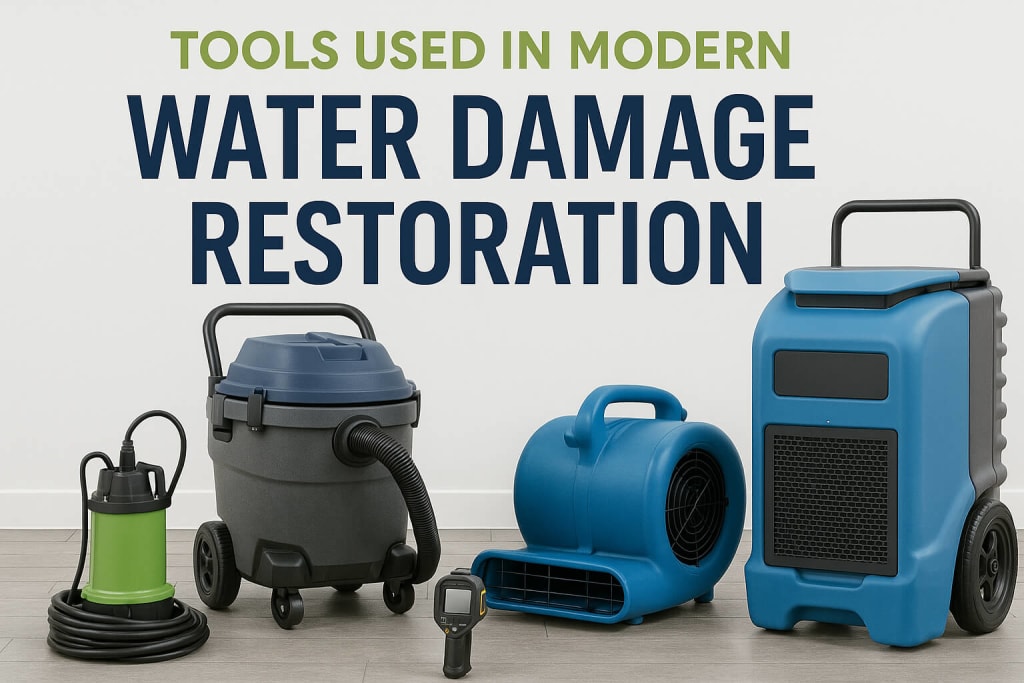
Submersible pumps are great for dealing with standing water in a space. You can put them right in the water, and they can quickly remove a lot of it. They work well in flooded basements and large areas like stores or warehouses. These pumps are designed to run for a long time and can handle different types of water, including clean water and water with debris.
Industrial-Grade Wet/Dry Vacuums
Once the big water has been removed, wet/dry vacuums are great for cleaning up smaller puddles or areas that are hard to reach. These strong vacuums work better than typical ones you’d find at a hardware store, making it easier to suck water out of carpets, rugs, and even furniture cushions.
Truck-Mounted vs Portable Extraction Units
Truck-mounted extraction units are great for big jobs, like cleaning up flooded homes or large buildings. They have powerful suction and can run for a long time. Portable units are more flexible; they can fit into small spaces, go to upper floors, or reach areas where a truck can't get close.
Moisture Detection & Measurement Tools
Infrared Thermal Imaging Cameras
Sometimes, damage from water isn't easy to see. That's why infrared cameras are helpful. These cameras can pick up temperature changes in surfaces, which helps workers find hidden moisture behind walls, under floors, or in ceilings without having to tear everything apart.
Moisture Meters (Pin vs Pinless)
Moisture meters are important tools for checking how wet a surface is. Pin-type meters have two small prongs that go into the surface, while pinless meters use sensors to scan the area. Both types help make sure that walls, floors, and wood are completely dry before you start any further work.
Hygrometers for Humidity Monitoring
A hygrometer is a tool that checks how much moisture is in the air. When the humidity is high, it can cause mold to grow and slow down the drying process. Restoration experts use hygrometers during their work to monitor humidity levels and ensure that the drying environment is properly managed.
Structural Drying Equipment
High-Velocity Air Movers
Air movers are devices that blow a lot of air over wet areas to help dry them faster. People often put them on the floors and aim them under carpets or toward walls. The main idea is to keep the air moving in the entire area so that mold and other water damage don’t happen.
Commercial-Grade Dehumidifiers (Refrigerant vs Desiccant)
Dehumidifiers are great companions for air movers. They help take moisture out of the air, speeding up the drying process. Refrigerant dehumidifiers are best for warm places, while desiccant dehumidifiers work better in cooler or drier conditions. Restoration teams pick the right type based on the situation.
Heat Drying Systems
These systems use heat to speed up drying in certain spots. Heat drying is commonly used for hardwood floors and other materials that might bend or crack if they stay wet for too long. It’s a focused method that can save time and lower the chances of needing to tear things out.
Cleaning & Sanitizing Tools
HEPA Vacuums
After the water is gone and the area is dry, cleaning starts. Special vacuums called HEPA vacuums are used to get rid of dust, mold spores, and tiny particles that may have gathered while drying. These vacuums catch about 99.97% of particles, which is really important for making the air healthy again.
Antimicrobial Sprayers and Foggers
Restoration teams use special sprays to stop mold and bacteria from growing. They apply these sprays using handheld sprayers or fogging machines, which create a fine mist. This mist helps the solution cover large areas quickly, even reaching spots that are hard to get to.
Ozone and Hydroxyl Generators for Odor Removal
Water damage often leaves behind bad smells. Ozone and hydroxyl generators can help by breaking down the odor-causing particles in the air. Ozone works quickly, but you can't be in the room when it's used. On the other hand, hydroxyl machines are safe to use even when people and pets are around.
Safety and Protective Equipment
Personal Protective Equipment (PPE)
When doing restoration work, you often have to handle dirty water or mold, so it's important to stay safe. Wearing gloves, boots, goggles, and masks is a must. In some tough situations, you might even need full-body suits to keep workers protected while they do their job.
Containment Barriers & Negative Air Machines
When there’s a chance of mold or harmful particles in the air, experts create barriers using plastic sheets and zip walls to keep the work area separate. They use special machines to remove the bad air and filter it, making sure clean air flows in and stops pollutants from spreading.
Conclusion
Water damage restoration isn’t just about drying things out; it involves a range of tasks that need the right tools. Here’s a quick overview of what’s essential:
1. Water Removal Tools: These include submersible pumps and vacuums to get rid of the water quickly.
2. Moisture Detection: Thermal cameras and moisture meters help find hidden damp spots.
3. Drying Equipment: Air movers and dehumidifiers are used to dry out the area effectively.
4. Sanitization Tools: Foggers, HEPA vacuums, and odor neutralizers help clean and freshen up the space.
5. Safety Gear: Personal protective equipment (PPE) and containment setups ensure everyone stays safe during the process.
Each tool is important to make sure the property is restored properly and safely. For property owners in need of professional help, it's a good idea to contact experts who specialize in Water Damage Restoration Services to ensure the job is done thoroughly and efficiently.
Final Thoughts on Keeping Up with Modern Restoration Technology
As restoration technology improves, knowing the latest tools can help you recover quickly instead of facing a big rebuild. If you're a property owner dealing with damage or a restoration expert wanting to stay informed, understanding these tools is important for making the recovery process cleaner, safer, and faster.
About the Creator
PureOne Services
We deliver exceptional home remediation and commerce cleaning services, prioritizing customer satisfaction. Trust our expert team to transform your space.
Keep reading
More stories from PureOne Services and writers in 01 and other communities.
How to Prevent Water Damage in Your Home?
Water damage can be a huge problem for homeowners. It can happen from a slow leak or a sudden flood, leading to costly and stressful situations. The damage can weaken your home, cause mold to grow, and even create electrical issues. On top of that, fixing the damage can be expensive.
By PureOne Services11 months ago in 01
MacBook Air M5: Everything We Know About Apple's Next Ultra-Portable Powerhouse
Apple's MacBook Air has long been the company's best-selling laptop, striking the perfect balance between portability, performance, and price. As we move through early 2026, all eyes are on the next iteration: the MacBook Air M5. While Apple hasn't officially announced the device, a steady stream of reports from industry insiders and analysts has painted a clear picture of what to expect.
By Md. Nurul Afsar7 days ago in 01
Jeff Bezos becomes third-richest title after Amazon share surge
Amazon founder Jeff Bezos has regained his position as the third richest person in the world following the increase in Amazon’s stock price and a significant change in the company’s retail business strategy.
By Dena Falken Esqa day ago in 01


Comments
There are no comments for this story
Be the first to respond and start the conversation.