
Top Strategies for Building a Successful Soap Brand
Mastering the Art of Building a Winning Soap Brand
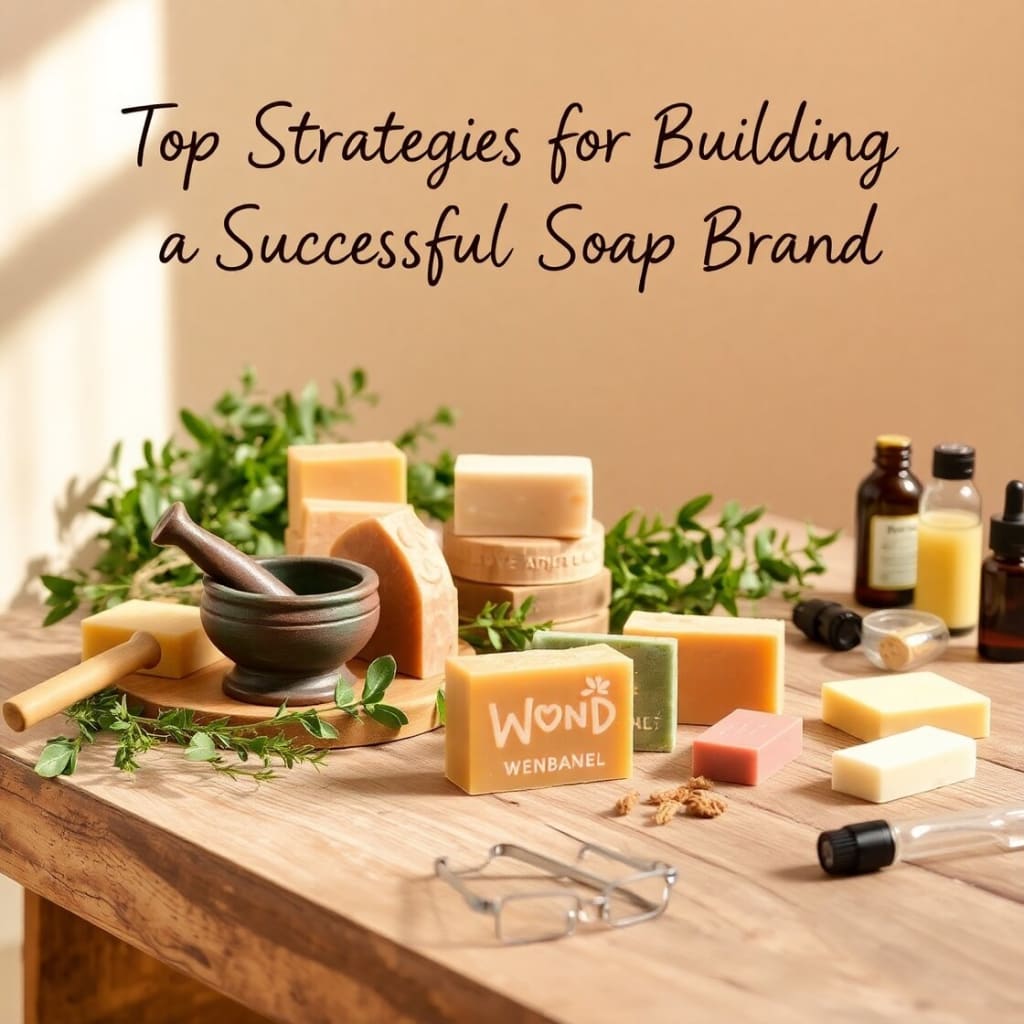
The soap industry is thriving, with consumers increasingly drawn to natural, eco-friendly, and personalized products. Whether you’re crafting handmade soaps or producing organic bars, building a successful soap brand requires more than just a great product. It demands a well-rounded strategy that combines branding, marketing, and customer engagement. In this article, we’ll explore the top strategies to help you create a thriving soap brand that stands out in a competitive market.
1. Define Your Unique Selling Proposition (USP)
Your soap brand needs a clear USP to differentiate itself from competitors. Ask yourself: What makes your soap special? Are you using organic, vegan, or cruelty-free ingredients? Do you offer unique scents, designs, or therapeutic benefits?
Your USP should resonate with your target audience. For example, if your soap is handmade with natural ingredients, emphasize its artisanal quality and health benefits. A strong USP not only attracts customers but also builds brand loyalty.
2. Understand Your Target Audience
Knowing your audience is crucial for tailoring your branding and marketing efforts. Consider demographics like age, gender, location, and income level, as well as psychographics such as values, interests, and lifestyle preferences.
For instance, if your target audience is eco-conscious millennials, focus on sustainability and eco-friendly practices. Conduct surveys, analyze competitors, and use social media insights to refine your audience profile.
3. Invest in High-Quality Packaging
Packaging is the first thing customers notice, and it plays a significant role in their purchasing decision. Opt for custom soap sleeve packaging that reflects your brand’s identity and values. Here’s why packaging matters:
- Visual Appeal: Attractive designs grab attention on shelves or online.
- Functionality: Protects the soap and enhances user experience.
- Sustainability: Eco-friendly packaging appeals to environmentally conscious consumers.
For example, use biodegradable materials or minimalist designs to convey a premium, eco-friendly image.
4. Leverage Storytelling to Build Emotional Connections
Consumers love brands with a compelling story. Share the inspiration behind your soap brand, such as why you started the business, the journey of creating your unique formulas, or how your products make a difference (e.g., supporting local communities or reducing environmental impact).
Storytelling humanizes your brand and fosters emotional connections with customers. Use your website, social media, and product labels to tell your story effectively.
5. Focus on Product Quality and Consistency
No amount of marketing can compensate for a subpar product. Ensure your soap uses high-quality, safe ingredients and delivers on its promises, whether that’s moisturizing, exfoliating, or soothing properties.
Regularly test your products and gather customer feedback to improve quality. A satisfied customer is more likely to become a repeat buyer and recommend your brand to others.
6. Create a Strong Online Presence
In today’s digital age, an online presence is non-negotiable. Develop a user-friendly, visually appealing website with clear product descriptions, high-quality images, and an easy checkout process. Use platforms like Instagram, Facebook, and Pinterest to showcase your products, share behind-the-scenes content, and engage with followers.
Optimize your website and content for search engines to attract organic traffic. Use keywords like “natural soap branding” or “handmade soap marketing” to rank higher.
7. Utilize Social Media Marketing
Social media is a powerful tool for soap brands. Share high-quality photos and videos of your soaps, including close-ups, tutorials, and customer testimonials. Partner with influencers in the beauty, wellness, or eco-friendly niches to reach a wider audience.
Engage with your followers by responding to comments, hosting giveaways, and creating interactive posts. This builds a loyal community around your brand.
8. Offer Customization and Personalization
Personalized products are a growing trend. Consider offering custom scents or colors, engraved or monogrammed soaps, or gift sets tailored to specific occasions like weddings or holidays.
Customization not only enhances the customer experience but also allows you to charge premium prices.
9. Adopt Sustainable Practices
Sustainability is a key concern for modern consumers. Implement eco-friendly practices such as using biodegradable or reusable packaging, sourcing ingredients ethically, and reducing waste in production and shipping.
Highlight these efforts in your marketing to attract eco-conscious buyers.
10. Build Customer Loyalty
Retaining customers is more cost-effective than acquiring new ones. Foster loyalty by offering loyalty programs or discounts for repeat purchases, providing excellent customer service, and sending personalized thank-you notes or free samples with orders.
Happy customers are more likely to leave positive reviews and recommend your brand to others.
11. Explore Niche Markets
Instead of targeting everyone, focus on niche markets where you can excel. Examples include organic soaps for health-conscious consumers, luxury soaps for high-end buyers, or therapeutic soaps for skincare concerns like eczema or acne.
Niche markets allow you to tailor your products and marketing to specific needs, reducing competition.
12. Price Your Products Strategically
Pricing can make or break your brand. Ensure your prices cover expenses and generate profit, analyze competitors’ pricing to stay competitive, and use premium packaging and branding to justify higher prices.
Offer tiered pricing (e.g., single bars vs. gift sets) to cater to different budgets.
13. Collaborate with Other Brands
Partnering with complementary brands can expand your reach. Collaborate with skincare brands to create bundled products or team up with local boutiques or spas to sell your soaps.
These partnerships can introduce your brand to new audiences and add credibility.
14. Monitor and Adapt to Trends
The soap industry is constantly evolving. Stay ahead by keeping an eye on emerging trends like CBD-infused soaps or zero-waste packaging, experimenting with new ingredients, scents, or designs, and listening to customer feedback.
15. Measure Your Success
Track your progress using key performance indicators (KPIs) such as sales growth, customer retention rates, social media engagement, and website traffic and conversion rates.
Use this data to refine your strategies and achieve long-term success.
Final Thoughts
Building a successful soap brand requires a combination of creativity, strategy, and dedication. By defining your USP, understanding your audience, investing in quality and packaging, and leveraging digital marketing, you can create a brand that resonates with consumers and stands the test of time. Remember, consistency and authenticity are key to building trust and loyalty.
Whether you’re just starting out or looking to grow your existing brand, these strategies will help you navigate the competitive soap industry and achieve your business goals. Start implementing them today, and watch your soap brand thrive!
About the Creator
Keep reading
More stories from Noah David and writers in 01 and other communities.
Top Challenges Faced by Perfume Business Owners: A Comprehensive Guide
The perfume industry is a glamorous and lucrative sector, valued at billions of dollars globally. However, behind the allure of luxurious fragrances lies a highly competitive and complex business landscape. Perfume business owners face numerous challenges, from sourcing high-quality ingredients to navigating regulatory hurdles and standing out in a saturated market. In this in-depth article, we’ll explore the top challenges faced by perfume business owners, provide actionable solutions, and offer insights to help them thrive in the fragrance industry.
By Noah David11 months ago in 01
Best React Datetime Pickers for 2026: Top Libraries
Look, I get it. You're staring at your React project right now, wondering why picking a stupid date has to be this complicated. Should've been simple, yeah? But here we are in 2026, and somehow we've got more datetime picker options than there are days in a bloody year.
By Sherry Walkerabout 16 hours ago in 01
How to Choose the Best Mobile App Development Company 2026
Google has fundamentally transitioned. It is now an Authority Validation layer. This change occurred in early 2026. Selecting a development partner now requires a new process. You must audit their footprint within the Trust Graph. Do not just review static portfolios. Static images are easy to fake now.
By Devin Rosario6 days ago in 01



Comments
There are no comments for this story
Be the first to respond and start the conversation.