
Top Mobile App Development Frameworks: Choosing the Right One for Your Next Project
Discover the best mobile app development frameworks for building scalable, high-performance applications. Learn about React Native, Flutter, SwiftUI, and more to choose the right framework for your next project.

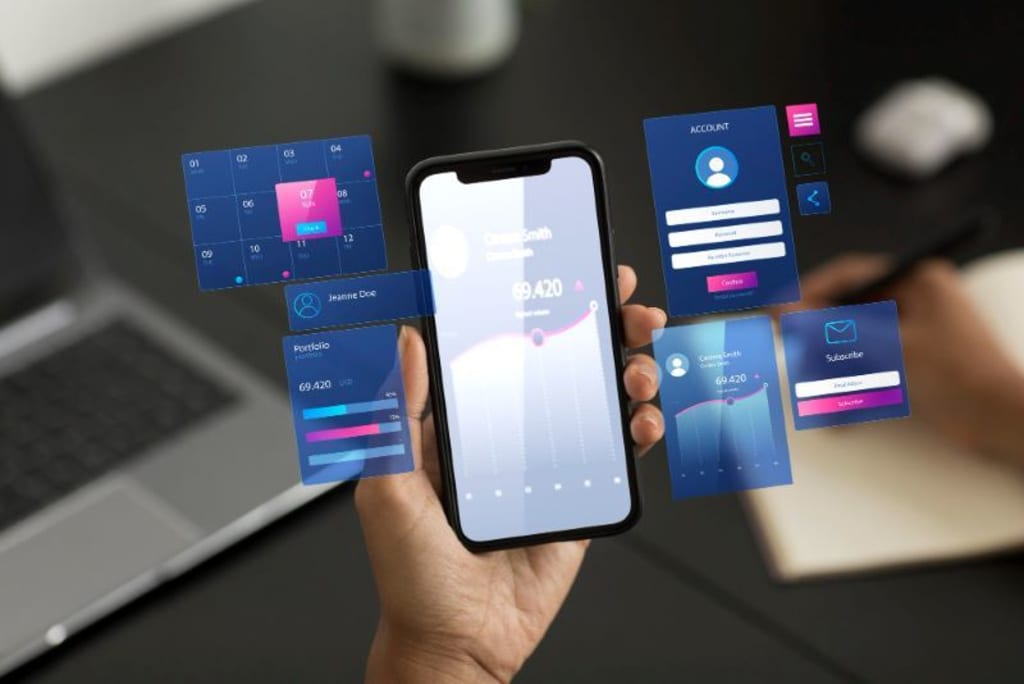
In the fast-paced world of mobile development, selecting the right mobile app development frameworks is crucial for building high-performance, scalable, and feature-rich applications. With various frameworks available, developers must consider factors like performance, cross-platform compatibility, and ease of development. In this article, we explore the top frameworks shaping the mobile app industry, helping businesses and developers make informed decisions.
What Are Mobile App Development Frameworks?
A mobile app development framework is a software library that provides a structured foundation for building applications. These frameworks offer pre-written code, tools, and APIs to streamline the development process. They can be classified into three main types:
- Native frameworks – Designed for a single platform (iOS or Android).
- Cross-platform frameworks – Allow development for multiple platforms with a single codebase.
- Hybrid frameworks – Combine elements of both native and web development.
Top Mobile App Development Frameworks in 2025
1. React Native – Best for Cross-Platform Development
Developed by Facebook, React Native is a popular open-source framework for creating mobile apps using JavaScript and React. It enables developers to build apps for iOS and Android from a single codebase while delivering near-native performance.
Key Features:
- Hot reloading for faster development
- Large developer community and extensive libraries
- Reusable components for faster deployment
Best Suited For: Startups and businesses looking to develop high-quality cross-platform apps quickly.
2. Flutter – Google's Framework for UI Perfection
Flutter, developed by Google, is an open-source UI toolkit that allows developers to create natively compiled applications for mobile, web, and desktop from a single codebase. It uses the Dart programming language and provides a rich set of pre-designed widgets.
Key Features:
- Fast rendering with Skia graphics engine
- Customizable widgets for a unique UI/UX
- Strong support from Google and growing community
Best Suited For: Companies prioritizing visually appealing and highly interactive applications.
3. SwiftUI – Native Framework for iOS Development
SwiftUI, introduced by Apple, is a modern UI framework designed for building iOS, macOS, and watchOS applications. It simplifies the development process with a declarative syntax, making it easier to create dynamic user interfaces.
Key Features:
- Seamless integration with Apple’s ecosystem
- Live previews for real-time UI updates
- Automatic support for Dark Mode and accessibility
Best Suited For: Developers focused on crafting iOS applications with native performance.
4. Kotlin Multiplatform – Future of Android and Beyond
Kotlin Multiplatform allows developers to write shared code for Android, iOS, and even backend applications. While not a full-fledged cross-platform framework, it enables code-sharing while maintaining native performance.
Key Features:
- Strong integration with Android development
- Code reusability across multiple platforms
- Efficient debugging and testing support
Best Suited For: Teams looking to optimize development costs while maintaining high performance.
5. Ionic – Hybrid Framework with Web Technologies
Ionic is an open-source framework for developing hybrid mobile applications using HTML, CSS, and JavaScript. It leverages web technologies to create apps that run on multiple platforms with a single codebase.
Key Features:
- Wide range of UI components
- Strong integration with Angular, React, and Vue
- Easy deployment across web, iOS, and Android
Best Suited For: Businesses wanting to develop lightweight apps with a strong web presence.
How to Choose the Best Mobile App Development Framework?
Selecting the right mobile app development frameworks depends on multiple factors, including:
- Project Requirements – Native, cross-platform, or hybrid development.
- Performance Needs – Apps requiring high performance may benefit from native frameworks.
- Development Speed – Cross-platform frameworks like React Native and Flutter reduce time to market.
- Budget Constraints – Open-source frameworks can help minimize development costs.
- Community and Support – A strong developer community ensures better resources and updates.
The Future of Mobile App Development Frameworks
As mobile technology evolves, frameworks will continue to enhance performance, security, and user experience. The integration of AI, machine learning, and 5G connectivity will further redefine how mobile apps are developed and deployed. Keeping up with these trends will be essential for developers and businesses aiming to stay competitive in the digital landscape.
Conclusion
Choosing the right mobile app development frameworks is essential for building robust and scalable applications. Whether opting for React Native, Flutter, SwiftUI, Kotlin Multiplatform, or Ionic, each framework offers unique advantages suited for different development needs. By evaluating project goals, performance expectations, and budget constraints, businesses can ensure they select the most suitable framework for their mobile app success.
About the Creator
Rohit Sharma
As a technology enthusiast with over a decade of experience in SEO content writing, I specialize in exploring and discussing the latest trends and innovations in the tech world.
Keep reading
More stories from Rohit Sharma and writers in 01 and other communities.
Unlock Innovation with Custom Mobile Application Development: A Comprehensive Guide
In today's digital-first world, businesses are increasingly relying on custom mobile application development to create tailored solutions that meet their unique needs. Unlike off-the-shelf applications, custom mobile apps provide businesses with flexibility, scalability, and a competitive edge in their respective markets. But what does it take to build a custom mobile application, and why is it crucial for businesses? This blog explores the benefits, process, and considerations of custom mobile application development, offering insights into how it can revolutionize your operations.
By Rohit Sharmaabout a year ago in 01
BigCommerce Theme Development: Key Features to Build a Better User Experience
Have you ever visited an online store that looked good but felt confusing to use? Pages took too long to load, navigation didn’t make sense, or the checkout felt frustrating. In most cases, the problem isn’t the product; it is the theme and how it’s built.
By Henry Davids3 days ago in 01
What Real Estate Apps in San Diego Get Wrong About Users?
Laura Kim didn’t question whether people liked the app. The numbers were undeniable. Thousands of installs each month. Long browsing sessions. Homes saved and unsaved repeatedly. Map views that stretched late into the night.
By Mike Pichai7 days ago in 01
🅼🅸🅳🅽🅸🅶🅷🆃 🆂🅽🅰🅲🅺🆂
"It's 10 in Tuscon! We all know what that means... It's Time for Midnight Snacks with your man, Gerald Gee! Ready to spend the night together? Me too! I'm full of snacks and can't wait to regurgitate them all back into your hungry ears. Crack a brew! Pop some corn! Anything to get ready for one hell of a show where the talk maybe cheap but the words cut deep...
By Lamar Wiggins7 days ago in Fiction




Comments
There are no comments for this story
Be the first to respond and start the conversation.