
Top Features to Look For in High Quality Custom Thermal Labels
paper
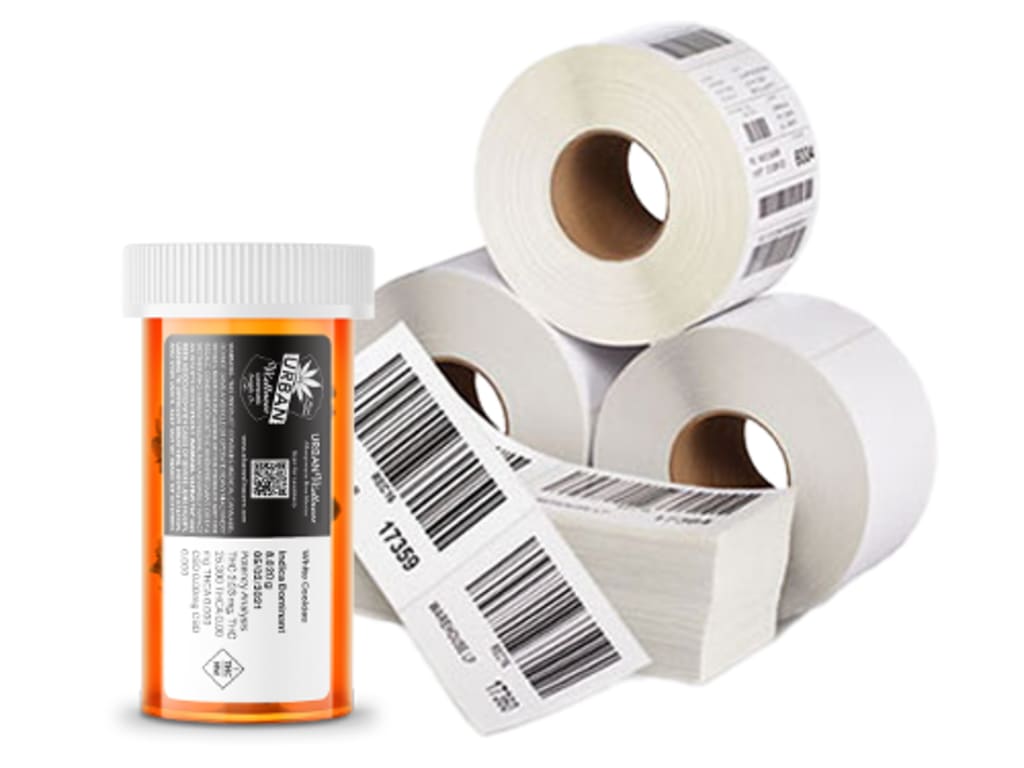
From labeling products to shipping and inventory management, thermal labels are a critical component to a variety of business industries. The important information that a shipment or product label contains is of utmost importance, and a good thermal label protects that data as best as it can. As a business, when you are printing barcodes, serial numbers, or postage, label reliability and the scope of business activities are correlated. In this piece, we discuss features like durability, print quality, adhesive strength, and material choices for specific needs regarding custom thermal labels so you can make the desired decision.
Understanding Custom Thermal Labels
Custom thermal labels are the “do it all” labels that tailor to the needs and specifications of specific businesses and industries. They can be produced in various sizes, colors, and designs in accordance with the given objective, be it shipping packages, managing inventory, or conducting medical sample analysis. These labels are created using thermal printing technology, which means the label has ink transferred to it using heat. The ability to customize labels ensures that each business meets the proper operational requirements.
Different Types of Custom Thermal Labels
There are two main kinds of thermal labels, each with specific characteristics and uses: direct thermal labels and thermal transfer labels.
- Direct Thermal Labels
Direct thermal labels use heat sensitive paper that turns dark when it is exposed to a thermal printhead. There is no ink that will be transferred onto die cut labels, the printer simply produces the image by heating it. This kind of labeling is ideal for short-term labeling applications which won’t be exposed to harsh conditions because the print would fade away over a period of time. Their most usua direct thermal labels are for retail receipts, tickets, and shipping labels.
- Thermal Transfer Labels
For a thermal transfer type of label, a print ribbon covered in ink that will be heated and melted onto the material the label is made of is used. This process makes the prints very durable and tougher compared to other processes making them long lasting even in more hostile environments. Such is ideal for long term use. Categorized under asset tracking, inventory labeling, and other industrial purposes requiring tough labels, these are made of durable materials.
.
Features Of Premium Custom Thermal Label
In the selection of thermal labels, companies need to select which features matter the most for the labels to be useful. Here are the features to consider for high quality custom thermal labels:
- Resistance to Environmental Elements or Aging
The best thermal labels should resist the environment and withstand factors such as extreme heat, cold, humidity, and abrasion. This is especially important for industries like logistics where labels undergo extreme temperature changes, rough usage, and outdoor conditions. The best labels withstand fading away or getting smeared. The best labels are created through the use of thermal transfer printing or with the addition of a durable coating.
- Consistency and Sharpness of Print Quality
The print quality of a thermal label is very important when dealing with small details such as text, barcodes, or QR codes. A good label should produce clear, sharp images and consistently print in high quality so all text is easily readable and scannable. The quality of labels is poor can render a business operationally inefficient due to mistakes in scanning or misrecognition.
- Adhesive Qualities and Flexibility
The adhesive formulated on thermal labels ought to have enough strength to adhere to diverse surfaces such as cardboard, plastic, and metal. High-quality thermal labels should have adhesive that stays intact in varying environmental conditions such as presence of moisture or changes in temperatures. Finally, the adhesive should not leave any residue or damage surfaces after it has been removed.
How to Examine and Evaluate Quality of Custom Thermal Labels
When adopting custom thermal labels, one should consider the following in order to ensure that the product quality is optimal:
Print Quality Test: Attempt printing various sizes of text and design the labels with different sizes of barcodes. Look for clarity in the smallest size of the text along with the barcode in order to check if they can be read and captured by the scanner.
Durability Test: Apply strains to the label by using water, heat, or abrasion. Inspect how the label lasts in both short term and long term conditions.
Adhesion Test: Place the label on different surfaces and check how well it stays on. Also check if the label can be peeled off without damaging the surface.
Choosing Right the Custom Thermal Labels Material
Consider how different the custom thermal label will be used, especially on matters of durability and how well the labels will hold under different environmental conditions.
Paper vs Synthetic Labels
Paper labels are cost-effective and convenient for receipts and price tags but not suited for extended outdoor usage or complicated labeling. It is a known fact that synthetic products like polyester, polypropylene, and vinyl are tougher and weather resistant. Indeed, synthetic labels fit best in outdoor or industrial settings where the conditions can be very harsh.
Label Temperature and Moisture Resistance
Consider the temperature and moisture levels the labels will be exposed to. Points for consideration include that thermal transfer labels printed on synthetic material enjoy higher steam, moisture, and low-temperature tolerance. If the labels are to be stored in extremely hot or cold areas that have very high humidity then you should check if the material and adhesive are strong enough to survive those conditions.
Custom Thermal Labels Pricing Factors
The cost of custom thermal labels can vary because of the following factors:
Material Type: Synthetic materials are more expensive as compared to paper. However, they are a more practical investment in the long run.
Print Volume: A larger quantity equals lower cost per unit. However, if the volume is lower, the price per label may increase.
Customization Features: If labels are specific to a particular requirement like size, color, or shape, costs increase. Even custom designs or special treatments can cost more.
Label Type: Direct thermal labels are cheaper than thermal transfer labels, which require ribbons and other materials to print sturdy images.
Industries That Are Targeted By Custom Thermal Labels
In Custom Thermal Labels, every industry stands maximally benefitted in more than one way and here are some and their explanations.
- Retail and E Commerce
In retail and e-commerce businesses, custom thermal labels ease the processes of designing price tags, product labels, shipping labels, and barcodes. Their high-speed printing ability always meets the required standards in regards to the label quality which makes them highly suitable for the fast paced businesses.
- Logistics and Shipping
In Shipping and Logistics, custom thermal labels are important and serve several purposes which includes tracking packages, shipments and even inventory. Moreover, thermal transfer labels are also used to ensure damage and abrasion resistance while transiting the products and thus these labels are applicable to places with low temperatures and above normal dampness.
- Healthcare and Pharmaceuticals
In healthcare and pharmaceuticals, custom thermal labels ease the processes of labeling medications, medical devices, and laboratory samples. Labels in this industry must comply with a variety of regulations, provide maximum clarity for extreme out-of-the-box conditions, and print legibly while ensuring that the printed text is unremovable
Conclusion
In summary, custom high-quality business thermal labels serve businesses with reliable, long-lasting labeling solutions throughout various sectors. Label durability, print quality, adhesive, label material, and printing conditions are determinants of label effectiveness. To achieve the best thermal label for your business, steps should be taken to evaluate all features and the specific requirements of your business. Retailers, shippers, and health care providers can significantly improve their operational efficiency and reduce costs by investing in premium custom thermal labels.
Frequently Asked Questions
1. What features are critical when choosing custom thermal labels?
Focus on their durability, print quality, adhesive strength and materials regarding your specific application.
2. What is the difference between direct thermal and thermal transfer labels?
Direct thermal labels are made from short-term heat-sensitive paper and for long-lasting applications, thermal transfer labels use a ribbon.
3. What exercises can I undertake to evaluate the quality of thermal labels?
Analyze the labels’ print quality, durability, and adhesion to see if they meet your standards.
4. What aspects determine the pricing of custom thermal labels?
Pricing is reliant on materials type, print volume, features of customization and type of label.
5. Which sectors gain the most from the use of custom thermal labels?
Custom thermal labels are widely used across retail, logistics, shipping, healthcare and pharmaceuticals for various applications.
About the Creator
Keep reading
More stories from writers in 01 and other communities.




Comments
There are no comments for this story
Be the first to respond and start the conversation.