
Top Benefits of WhatsApp Chatbot for Ecommerce – Karix
WhatsApp Chatbot for Ecommerce

In the ever-evolving landscape of e-commerce, businesses are continually seeking innovative ways to enhance customer experience, streamline operations, and boost sales. Among the plethora of tools and technologies available, WhatsApp chatbots have emerged as a game-changer, offering many benefits for e-commerce ventures. From automating customer interactions to driving sales and fostering loyalty, WhatsApp chatbots are revolutionizing how businesses engage with their audience. In this article, we delve into the top benefits of WhatsApp chatbots for e-commerce, explore various use cases, and provide insights into best practices for implementation.
Enter the Saviour – WhatsApp Chatbot
As consumers increasingly prefer messaging platforms for communication, integrating a WhatsApp chatbot into your e-commerce strategy presents a golden opportunity to meet them where they are. With billions of active users worldwide, WhatsApp provides a massive reach and offers a familiar environment for users to interact with businesses seamlessly.
Benefits of Deploying a WhatsApp Chatbot for E-commerce Business
1. Showcase Product Catalogues
WhatsApp chatbots serve as virtual storefronts, allowing businesses to showcase their product catalogs directly within the chat interface. Users can browse through products, view images, check prices, and even make purchases – all without leaving the conversation.
2. Lead Generation
By leveraging WhatsApp chatbots, e-commerce businesses can capture leads effortlessly. Through engaging conversations, chatbots can qualify leads, gather contact information, and guide prospects through the sales funnel, ultimately increasing conversion rates.
3. Automate FAQ Handling
Customer inquiries can inundate e-commerce businesses, consuming valuable time and resources. WhatsApp chatbots excel in automating frequently asked questions and providing instant responses to queries related to shipping, returns, product information, and more, thereby enhancing customer satisfaction and reducing support overhead.
4. Up-sell and Cross-sell Products
With intelligent recommendation algorithms, WhatsApp chatbots can analyze user preferences and purchase history to suggest relevant products. By nudging customers towards complementary or higher-value items, businesses can maximize revenue and enhance the overall shopping experience.
5. Loyalty Programs
Maintaining customer loyalty is crucial for long-term ecommerce success. WhatsApp chatbots facilitate personalized interactions, enabling businesses to deliver exclusive offers, promotions, and rewards directly to loyal customers. This fosters a sense of appreciation and encourages repeat purchases.
Use Cases of WhatsApp Chatbot for E-commerce
Showcase Product Catalogues
A clothing retailer utilizes a WhatsApp chatbot to showcase its latest collection to customers. Users can browse through different categories, view product details, and even place orders directly through the chat interface.
Lead Generation
A furniture company integrates a WhatsApp chatbot on its website to engage visitors and capture leads. The chatbot initiates conversations, asks qualifying questions, and collects contact information, enabling the sales team to follow up with potential customers promptly.
Automate FAQ Handling
An electronics store implements a WhatsApp chatbot to handle common customer inquiries. The chatbot provides instant answers to questions regarding product specifications, warranty information, and troubleshooting, reducing the burden on customer support agents.
Up-sell and Cross-sell Products
A cosmetic brand utilizes a WhatsApp chatbot to upsell and cross-sell its products. By analyzing customer preferences and purchase history, the chatbot recommends complementary beauty products and encourages users to add them to their cart.
Loyalty Programs
A coffee subscription service leverages a WhatsApp chatbot to reward its loyal customers. The chatbot sends personalized messages with exclusive discounts, freebies, and early access to new products, fostering customer loyalty and retention.
Best Practices to Implement for a WhatsApp Ecommerce Bot
1. Keep the communication crisp and clear
Ensure that your chatbot's responses are concise, relevant, and easy to understand. Avoid verbosity and aim to deliver information in a conversational tone to enhance user experience.
2. Add “Talk to a human” checkpoints strategically
While chatbots excel in handling routine inquiries, there are scenarios where human intervention may be necessary. Incorporate options for users to escalate to a live agent seamlessly whenever required.
3. Prioritize customer privacy
Respect user privacy and adhere to data protection regulations. Communicate how customer data will be used and ensure that your chatbot is compliant with relevant privacy policies.
Wrapping Up
In conclusion, WhatsApp chatbots offer a myriad of benefits for e-commerce businesses, ranging from improving customer engagement and streamlining operations to driving sales and fostering loyalty. By harnessing the power of AI-driven conversations, businesses can create personalized experiences, automate repetitive tasks, and stay ahead of the competition in today's digital landscape. Embrace the potential of WhatsApp chatbots and revolutionize your eCommerce journey today!
For more Info: https://www.karix.com/products/whatsapp-business-api/
About the Creator
Keep reading
More stories from tanla karix and writers in 01 and other communities.
WhatsApp Lead Generation: How To Generate Leads On WhatsApp Business With Karix.
Introduction: In the fast-paced digital age, businesses are continually seeking innovative ways to connect with their target audience and generate leads. WhatsApp, a widely used messaging app, has emerged as a powerful platform for lead generation. This article explores the concept of WhatsApp lead generation, its significance, and provides insights into why businesses should leverage this popular messaging app for their lead generation strategies.
By tanla karix2 years ago in 01
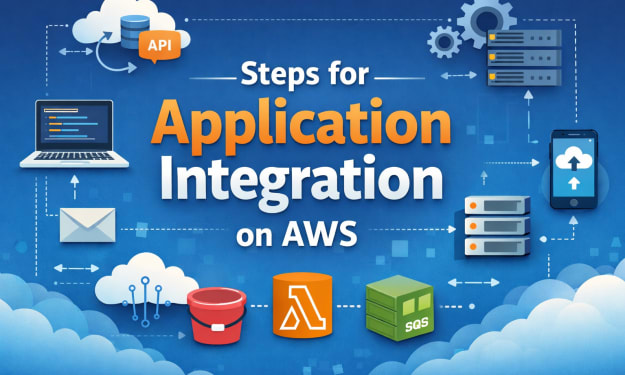
Steps for Application Integration on AWS
It is neither new nor a secret that modern businesses have come to rely on a massive ecosystem of microservices and third-party SaaS platforms. But to do what exactly, you ask. For starters, to provide seamless digital experiences. Adopting distributed architecture decidedly improves agility and scalability. But there's also a significant challenge, i.e. ensuring independent components can communicate and share data without forming brittle dependencies. Thankfully, an effective solution is found in application integration on AWS. It addresses this issue by providing a managed framework for connecting disparate systems. Organizations can automate business processes while reducing the need for custom "glue" code by using purpose-built services for messaging, workflow orchestration, etc.
By Ryan Williamson3 days ago in 01
Lycan Lore
As the students of my 10am mythology class take their seats, I decide to steer the day's curriculum away from Greek and dive into a Western European discourse on the misaligned beliefs of the Werewolf. A tale of truth or fiction. No one really knows.
By Lamar Wigginsabout 9 hours ago in Fiction



Comments
There are no comments for this story
Be the first to respond and start the conversation.