
Top Advertising Banner Trends in E-commerce
For the 2024 year


Advertising banners have long been a cornerstone of digital marketing, particularly within the e-commerce sector. Initially, banners were simple, static images that aimed to catch the attention of potential customers. Over time, these banners have evolved significantly, becoming more sophisticated and interactive, thereby enhancing their effectiveness. Today, e-commerce advertising banners play a crucial role in driving traffic to online stores, boosting conversion rates, and increasing brand visibility.
As online shopping continues to grow, so does the competition among e-commerce businesses. Advertising banners have become an essential tool for standing out in a crowded marketplace. The evolution from basic image ads to dynamic, personalized content has enabled marketers to create more engaging and relevant experiences for consumers. This shift has had a profound impact on consumer behavior, with well-designed banners significantly influencing purchasing decisions.
Research shows that strategically placed and well-designed advertising banners can lead to higher click-through rates and improved sales figures. They serve as a visual gateway, guiding potential customers through their online shopping journey. By capturing attention and delivering targeted messages, banners help to build brand awareness and loyalty. They also provide valuable insights into consumer preferences and behaviors, allowing businesses to refine their marketing strategies.
In the fast-paced world of e-commerce, staying updated with the latest trends in advertising banners is imperative for maintaining a competitive edge. The subsequent sections of this blog will delve into the top advertising banner trends for 2024, exploring new technologies and innovative approaches that are shaping the future of e-commerce advertising. By understanding and leveraging these trends, businesses can enhance their marketing efforts, drive more traffic, and ultimately, increase their sales and brand presence in the digital marketplace.
Personalization and Hyper-Targeting
As the digital landscape evolves, personalization and hyper-targeting have emerged as pivotal strategies in e-commerce advertising, particularly for banner ads. Leveraging advancements in artificial intelligence (AI) and data analytics, marketers are now able to create highly personalized banner ads that resonate deeply with individual users. This level of customization is achieved through a combination of dynamic content, user segmentation, and real-time data analytics.
Dynamic content is a technique that allows banner ads to be tailored on-the-fly based on user interactions and preferences. By utilizing AI, marketers can dynamically alter the content of a banner ad to match the specific interests and behaviors of each user. For instance, a user who frequently searches for fitness equipment may see banner ads showcasing the latest gym gear or workout programs, enhancing the relevance and appeal of the ad.
User segmentation is another critical component of personalization. By segmenting audiences based on various criteria such as demographics, browsing history, and purchase behavior, marketers can craft targeted messages for distinct user groups. This approach ensures that the banner ads are not only relevant but also engaging, leading to higher click-through rates and conversions. For example, a user segmented into a group of frequent travelers might receive banner ads promoting travel insurance or destination packages.
Real-time data is crucial for delivering timely and pertinent messages through banner ads. With the capability to analyze data as it is generated, marketers can adjust their advertising strategies in real-time. This means that if a user is browsing for winter coats during a sale event, they can immediately see banner ads highlighting discounts on winter apparel. Such immediacy ensures that the ads are highly relevant and have a greater likelihood of driving user action.
In conclusion, personalization and hyper-targeting are transforming the landscape of e-commerce advertising. By harnessing the power of AI, data analytics, dynamic content, user segmentation, and real-time data, marketers can create banner ads that are not only personalized but also hyper-targeted, delivering a more engaging and effective advertising experience for users.
Interactive and Engaging Designs
In 2024, interactive and engaging banner designs are set to be a cornerstone in e-commerce advertising. The evolution of digital marketing has led to the necessity of creating advertisements that do more than just display information—they must captivate and interact with the audience. One of the primary methods to achieve this is through animated graphics. These dynamic visuals can instantly draw the user’s attention and hold it longer than static images, providing a more memorable browsing experience.
Moreover, incorporating interactive elements such as quizzes or polls within advertising banners has proven to significantly enhance user engagement. These elements invite users to participate actively, transforming a passive viewing experience into an engaging interaction. For instance, a fashion retailer might use a quiz to help users find their perfect style, while simultaneously gathering valuable data on consumer preferences.
The integration of augmented reality (AR) is another trend revolutionizing banner designs. AR allows users to visualize products in their real-world environment, creating an immersive experience that bridges the gap between digital and physical shopping. This technology is particularly impactful in sectors like furniture and home decor, where customers can see how products might look in their own homes before making a purchase.
As the number of users accessing e-commerce sites via smartphones continues to rise, ensuring that these interactive designs are mobile-friendly is paramount. Responsive design practices must be employed to guarantee that banners are equally effective on smaller screens as they are on desktops. This includes optimizing load times and ensuring touch-friendly interactivity, which are critical to maintaining user engagement on mobile devices.
In essence, the trend towards interactive and engaging designs in advertising banners is not merely a preference but a necessity in the current digital age. By leveraging animated graphics, interactive elements, and augmented reality, e-commerce businesses can create compelling and immersive experiences that resonate with their audience, ultimately driving higher engagement and conversion rates.
Sustainability and Ethical Advertising
In 2024, a significant shift is occurring in e-commerce advertising, with sustainability and ethical practices emerging as pivotal elements. Brands are increasingly incorporating eco-friendly messages and practices into their advertising strategies to appeal to the ever-growing segment of environmentally-conscious consumers. This trend is not just a fleeting fad; it reflects a profound change in consumer expectations and corporate responsibility.
One of the primary ways brands are showcasing their commitment to sustainability is through the materials and processes they highlight in their advertising banners. By emphasizing the use of recycled materials, sustainable sourcing, and eco-friendly production methods, companies can not only align themselves with consumer values but also differentiate themselves in a crowded market. For instance, banners that promote products made from organic or recycled materials can resonate deeply with consumers who prioritize environmental stewardship.
Transparency and authenticity are critical components of this trend. Consumers today are well-informed and skeptical of greenwashing—a practice where companies falsely advertise their products as environmentally friendly. Therefore, it is paramount for brands to be transparent about their sustainability efforts. Detailed disclosures about the environmental impact of their products and the steps being taken to mitigate negative effects can build trust and loyalty among customers. Authentic advertising that honestly conveys a brand's values and efforts can foster a stronger connection with consumers.
Ethical advertising extends beyond just the environmental aspect. It encompasses fair labor practices, responsible sourcing, and community engagement. Brands that showcase their ethical commitments in these areas are likely to gain favor with a consumer base that values social responsibility as much as environmental impact. By integrating these elements into their advertising banners, companies can create a holistic image of responsibility and trustworthiness.
Incorporating sustainability and ethical practices into e-commerce advertising is not merely about staying current with trends; it is about fostering a genuine connection with consumers who are increasingly discerning about the brands they support. As we move forward, the emphasis on these values will continue to shape the landscape of advertising, prompting brands to continually innovate and uphold higher standards of transparency and authenticity.
About the Creator
Understanding Flexible Packaging Bags and Films in Modern Manufacturing
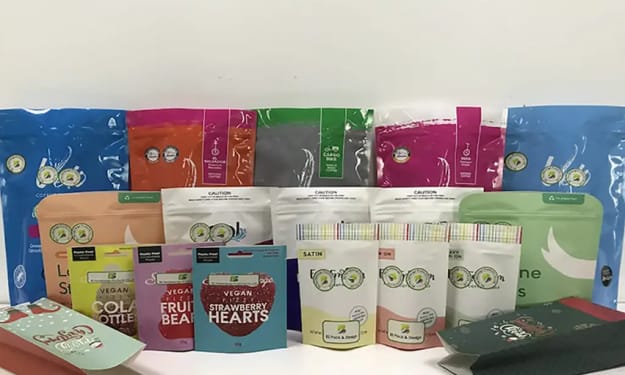
Flexible packaging bags and films have become an essential part of modern packaging systems worldwide. Used across industries such as food, pharmaceuticals, agriculture, and personal care, flexible packaging supports efficient product handling while adapting to diverse functional needs. Unlike rigid formats, flexible packaging is characterized by its ability to change shape, offering practicality in storage, transport, and use.
By charliesamuel2 days ago in 01
App Development Cost and Timeline: St. Louis 2026
Estimating the App Development Cost and Timeline: St. Louis 2026 requires deep research. It requires more than just a surface-level quote. You must understand the Midwest’s evolving tech ecosystem. St. Louis-based founders face a unique "sweet spot" in 2026. You are operating in a major technical hub. It combines the technical rigor of coastal standards. It also offers the fiscal advantages of a regional talent pool.
By Del Rosario3 days ago in 01
Why Didn't Anyone Tell Us
Men, move along. This is not for you. This is for the women. I was forty-five when I began menopause. It is pretty young for that to be going on in a woman’s life, but I had undiagnosed PCOS, my entire life. Thank you to all the gynecologists I had seen my entire life. That in itself should encourage women to keep seeking second opinions, especially when you are not getting correct answers or any at all.
By Alexandra Grant4 days ago in Humans



Comments