
Tips for Maintaining a 40 Ton Gantry Crane
Aicrane Lifting Solution
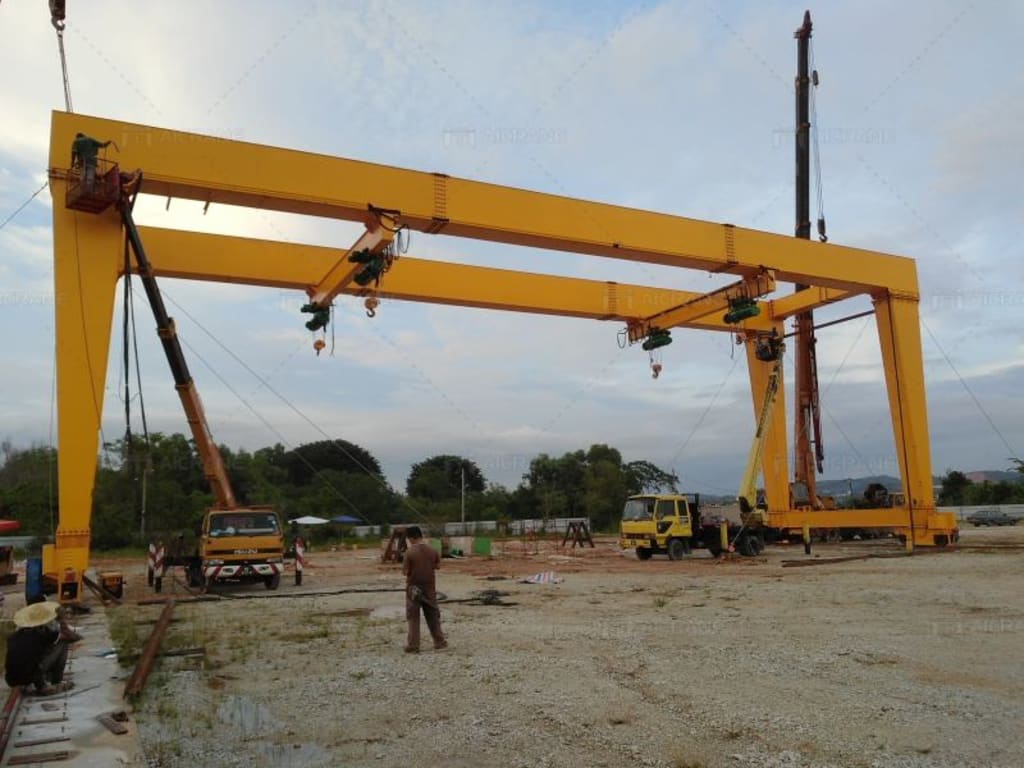
A 40 ton gantry crane is a powerful and heavy-duty piece of equipment, widely used in industries such as construction, manufacturing, and ports for lifting and moving heavy loads. As with any industrial machinery, proper maintenance is crucial for ensuring its longevity, reliability, and safety. In this article, we will discuss the key tips for maintaining a 40 ton gantry crane to keep it in optimal working condition.
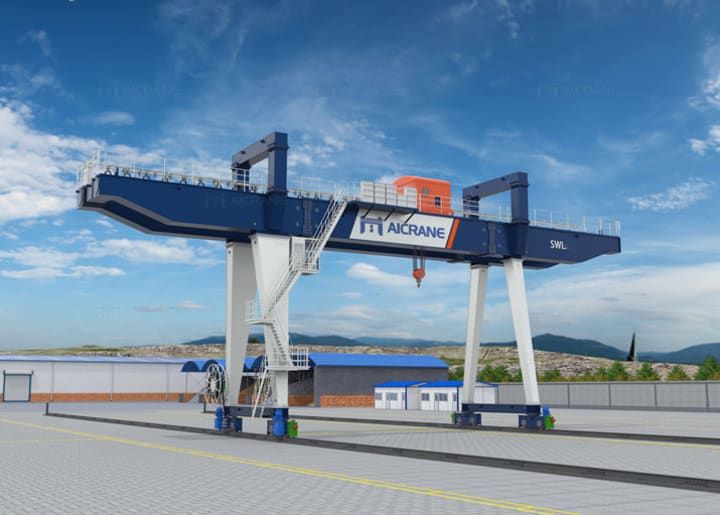
Regular Inspections and Monitoring
The first step in maintaining a 40 ton gantry crane is conducting regular inspections. Frequent monitoring of the crane’s components ensures that any potential issues are identified early before they lead to larger, more expensive problems.
Daily Inspections:
Before each shift, operators should inspect key components of the crane, including:
Lifting Mechanism: Check the hoist, ropes, and hooks for wear and tear.
Trolley and Bridge: Ensure that the trolley and bridge move smoothly without jerking or excessive noise.
Electrical System: Inspect cables, switches, and control panels for any signs of damage or wear.
Brakes and Safety Devices: Ensure that the crane’s brakes are functioning properly, and safety features, such as limit switches, are in good condition.
Monthly and Annual Inspections:
In addition to daily checks, more detailed inspections should be carried out on a monthly or annual basis. These inspections should be performed by a qualified technician who will assess:
Structural Integrity: Look for cracks, corrosion, or any signs of structural damage in the crane’s frame.
Hydraulic System: Inspect the hydraulic pumps, hoses, and cylinders for any leaks or signs of wear.
Load Sensors: Ensure that load sensors and weight indicators are calibrated and functioning correctly.
Electronics and Software: Update software and check the crane’s electronic components, including the control system.
2. Lubrication and Greasing
Proper lubrication is essential to the smooth operation of a 40 ton gantry crane. Regularly lubricating moving parts reduces friction, minimizes wear, and prevents overheating of components.
Lubricate All Moving Parts: Components such as the trolley, bridge, hoist, and wheels should be greased to ensure smooth operation. Follow the manufacturer's recommendations for the type and frequency of lubrication.
Check for Oil Leaks: Regularly inspect hydraulic cylinders and pumps for any signs of oil leakage. Leaks can lead to decreased performance and potential damage to the hydraulic system.
Use Appropriate Lubricants: It is crucial to use the right type of lubricant for each component. Different parts of the crane, such as the hoist, trolley, and wheels, may require different kinds of grease or oil, depending on the operating conditions and the manufacturer’s guidelines.
3. Maintaining the Braking System
The braking system of a 40 ton gantry crane is vital for safety. Faulty brakes can lead to serious accidents and costly repairs. Regular maintenance and timely replacement of parts can keep the braking system in excellent condition.
Inspect Brakes Regularly: Brake pads, discs, and linings should be checked frequently for signs of wear. Any abnormal noise or difficulty in stopping the crane should be addressed immediately.
Test the Brake Operation: Periodically, test the braking system by operating the crane at a slow speed and engaging the brakes. If the crane doesn't stop smoothly, it may indicate that the brake system needs maintenance or adjustment.
Adjust Brakes as Needed: Ensure that the brake pads and other parts are properly adjusted for optimal braking performance. Misaligned or worn-out brake components can cause the crane to be less responsive when slowing down or stopping.
4. Inspecting the Hoisting Mechanism
The hoisting mechanism is responsible for lifting and lowering heavy loads, so it must be maintained meticulously. Failures in the hoisting system can lead to accidents, delays, and significant damage to both the crane and the load being lifted.
Check Wire Ropes: Regularly inspect the crane’s wire ropes for signs of fraying, kinks, or broken wires. Over time, wire ropes can wear out, and replacing them promptly will ensure safety during lifting operations.
Monitor Drum and Sheave Condition: The drum and sheave system that guides the wire rope should also be inspected for wear. Any misalignment or damage could affect the rope’s performance and lead to crane malfunctions.
Lubricate Hoist Components: Lubricate the hoist components to reduce friction and prevent wear. This includes the gears, bearings, and rope drum.
5. Ensure Proper Load Handling
To extend the lifespan of a 40 ton gantry crane, it’s crucial to ensure that the crane is not overused or overloaded. Overloading the crane can cause significant strain on its components, leading to premature wear and failure.
Follow Load Limits: Always adhere to the crane’s maximum load capacity. The 40 ton gantry crane is designed to lift loads up to 40 tons, but exceeding this weight can damage the hoist, frame, and lifting mechanism.
Balance the Load: When lifting heavy containers or materials, ensure the load is evenly distributed across the spreader bar. Uneven loading can cause the crane to become unstable, which can lead to accidents.
Use Load Indicators: Many gantry cranes are equipped with load indicators that display the weight of the load being lifted. These indicators can help prevent overloads and ensure that the crane operates within safe limits.
6. Check Electrical Systems and Controls
The electrical system is the brain of the gantry crane, controlling everything from the hoist to the trolley movement. Regular maintenance of the electrical system ensures smooth and reliable crane operation.
Inspect Wiring and Cables: Check for any signs of wear or damage to wiring, cables, and connectors. Exposed wires or damaged cables can lead to electrical failures or even fires.
Clean the Control Panel: Dust and dirt can accumulate in the crane’s control panel, affecting the operation of switches, buttons, and other controls. Clean the panel regularly and ensure that all control systems are responsive.
Test the Safety Systems: Make sure that the crane’s safety features, such as limit switches, emergency stop buttons, and overload protection, are functioning properly.
7. Cleaning and Environmental Considerations
Maintaining a clean and safe environment for the 40 ton gantry crane is also important for its longevity. A dirty and cluttered working environment can affect the crane’s operation and expose it to external elements that may cause damage.
Clean the Crane Regularly: Dust, debris, and chemicals can accumulate on the crane’s components, leading to corrosion and mechanical failures. Regularly wash the crane’s exterior, removing any buildup that could damage sensitive parts.
Prevent Corrosion: If the crane operates in an environment with high humidity, saltwater exposure, or extreme temperatures, ensure that parts susceptible to corrosion are regularly inspected and protected with anti-corrosion coatings.
Check for Accumulation of Debris: Ensure that there are no obstacles or debris in the crane’s path or within the working area. This can cause damage to both the crane and surrounding equipment.
8. Training Operators and Staff
Proper training for crane operators and maintenance staff is an often-overlooked aspect of crane maintenance. Well-trained personnel are more likely to identify potential issues before they become major problems.
Operator Training: Ensure that crane operators are thoroughly trained in proper loading techniques, safe lifting practices, and operational procedures. A knowledgeable operator will use the crane in a way that minimizes wear and tear on its components.
Maintenance Training: Regularly train maintenance personnel on the specific needs of the 40 ton gantry crane. Well-informed technicians can detect problems early and perform preventive maintenance tasks efficiently.
A 40 ton gantry crane is an essential piece of equipment for industries that require heavy lifting and moving of large materials. By following these maintenance tips—regular inspections, lubrication, brake checks, load management, electrical system care, cleaning, and proper training—you can ensure that the crane operates smoothly, safely, and efficiently for years to come. Preventative maintenance not only extends the life of the crane but also enhances its performance, helping you avoid costly repairs and operational downtimes.
About the Creator
Keep reading
More stories from Aicrane Machine and writers in 01 and other communities.
How to Keep a Good Relationship with a Double Girder Gantry Crane Supplier
Maintaining a strong and positive relationship with a double girder gantry crane supplier is essential for businesses that rely on these cranes for efficient operations. A solid supplier relationship can ensure timely delivery, quality assurance, and cost-effectiveness, while also fostering mutual trust and long-term collaboration. This article outlines strategies to cultivate and maintain a healthy partnership with your supplier.
By Aicrane Machineabout a year ago in 01
Why Rule-Based Detection Leaves You Vulnerable to Modern Cyber Threats
Enterprise security once followed a simple assumption. Recognizable malicious patterns were flagged immediately and subsequently blocked. Signatures and static controls shaped enterprise defenses for years.
By Aaron Smith8 days ago in 01



Comments
There are no comments for this story
Be the first to respond and start the conversation.