
The Water Crisis in the U.S.
Challenges and Solutions

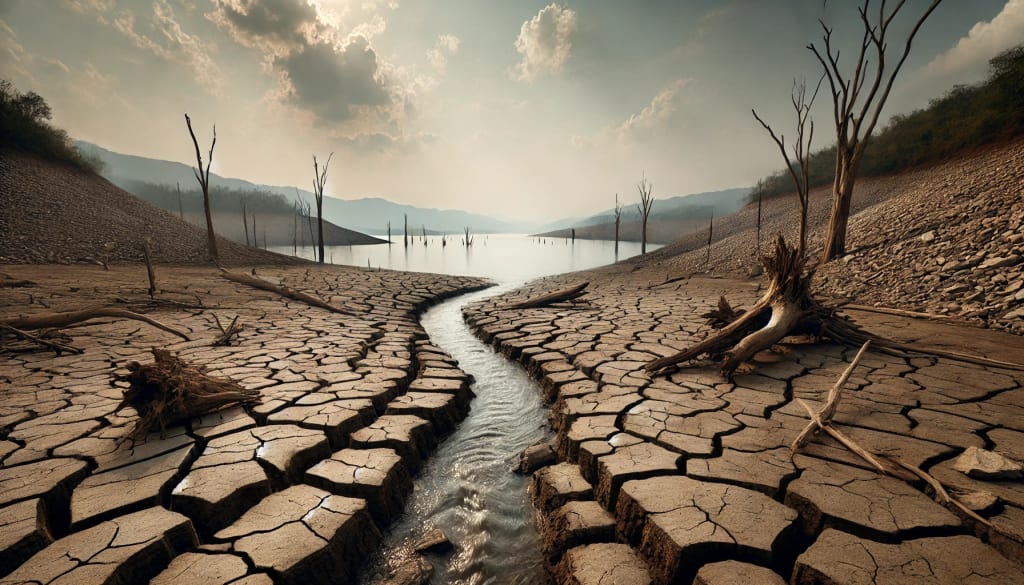
Water is one of the most fundamental resources for human survival, yet the United States is facing a growing water crisis. From prolonged droughts in the West to contaminated water supplies in cities, the availability and quality of water have become major concerns. Climate change, industrial pollution, aging infrastructure, and unsustainable water management practices have exacerbated the crisis. Addressing these challenges requires urgent action, innovative solutions, and policy changes at both federal and local levels.
Challenges Facing Water Security in the U.S.
1. Prolonged Droughts and Climate Change
One of the biggest contributors to the water crisis is climate change. States like California, Arizona, and Nevada are experiencing historic droughts, depleting groundwater reserves and shrinking major reservoirs like Lake Mead and Lake Powell. Rising global temperatures increase evaporation rates, reducing surface water availability and making droughts more severe and prolonged.
2. Water Contamination and Pollution
Water contamination is another alarming issue. In places like Flint, Michigan, and Jackson, Mississippi, lead contamination in drinking water has had severe health consequences. Industrial waste, agricultural runoff, and outdated water treatment facilities contribute to unsafe drinking water. The presence of harmful chemicals like PFAS (also known as "forever chemicals") in water sources has raised concerns about long-term health risks.
3. Aging Water Infrastructure
The U.S. has one of the oldest water infrastructures in the world. Many pipes, treatment plants, and distribution systems were built decades ago and are now deteriorating. According to the American Society of Civil Engineers (ASCE), the U.S. needs to invest trillions of dollars in upgrading its water infrastructure to prevent leaks, contamination, and inefficiencies in water distribution.
4. Overuse and Mismanagement of Water Resources
Overuse of water for agriculture and industry has contributed to the depletion of critical water sources. The Colorado River, which supplies water to nearly 40 million people, is being overdrawn, threatening water availability for cities, farms, and ecosystems. Groundwater aquifers are also being pumped at unsustainable rates, leading to long-term water shortages.
5. Inequitable Access to Clean Water
Despite being one of the wealthiest countries, many communities in the U.S. still lack access to clean and affordable water. Indigenous communities, low-income neighborhoods, and rural areas are disproportionately affected by water scarcity and contamination. The lack of investment in these areas exacerbates the crisis, making water accessibility an issue of social justice.
Solutions to the Water Crisis

1. Investing in Water Infrastructure
One of the most critical steps in addressing the water crisis is modernizing water infrastructure. Upgrading pipes, treatment plants, and storage facilities can help reduce water loss due to leaks and improve water quality. The U.S. federal government has already allocated billions in funding through infrastructure bills, but more investment is needed at the state and local levels.
2. Improving Water Conservation Efforts
Efficient water use can play a crucial role in mitigating the crisis. Encouraging water-saving techniques such as drought-resistant landscaping, smart irrigation, and low-flow appliances can reduce unnecessary water consumption. Cities like Las Vegas have implemented strict water conservation programs, including banning non-functional grass to save water.
3. Expanding Desalination and Water Recycling
Desalination—the process of converting seawater into drinking water—is a promising solution, especially for coastal states. California has already invested in desalination plants, but high costs and environmental concerns remain challenges. Water recycling programs, where wastewater is treated and reused, are also gaining traction. Cities like San Diego and Orange County are leading the way in developing advanced water recycling systems.
4. Strengthening Water Regulations and Policies
The government must enforce stricter regulations on industries and agriculture to prevent pollution and overuse of water resources. The Clean Water Act and Safe Drinking Water Act need to be updated and strictly implemented to ensure safe and sustainable water use. In addition, water rights and allocation policies should be revisited to address overuse and inequitable distribution.
5. Raising Public Awareness and Community Involvement
Public participation is crucial in tackling the water crisis. Educating people about water conservation, pollution prevention, and sustainable practices can lead to long-term behavioral changes. Community-led initiatives, such as local water conservation programs and citizen science projects, can help protect local water resources.
Conclusion
The water crisis in the U.S. is a complex issue that requires urgent action from policymakers, industries, and individuals. With climate change intensifying the problem, it is crucial to adopt sustainable water management practices, invest in infrastructure, and ensure equitable access to clean water. By embracing innovation, conservation, and stronger regulations, the U.S. can overcome this crisis and secure a sustainable water future for generations to come.
About the Creator
Artical Media
my name is Neeru Verma+++
I am from Delhi In India.
I Working from Last Year Content Writing & Artical Writing.
Thank you.
For Reading My Articals.
Visit My Store:DIGIMARTS.redbubble.com
Keep reading
More stories from Artical Media and writers in 01 and other communities.




Comments
There are no comments for this story
Be the first to respond and start the conversation.