
The Ultimate Checklist for Full Stack Development Best Practices
Discover the top full stack development best practices to build scalable, secure, and high-performing web applications.
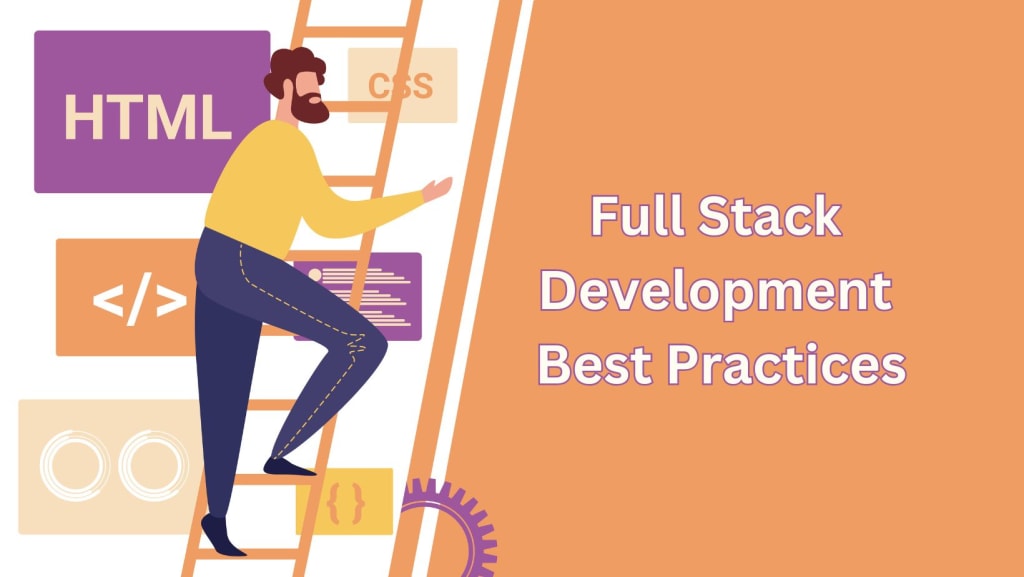
Full stack development has changed a lot in the last ten years. It went from being a rare skill for developers who could work on both the backend and frontend to becoming a common industry standard. Today, businesses want to build applications that are both efficient and easy to use. To achieve this, following the best practices for full stack development is very important. This blog will explain the key full stack development best practices that can help make your projects successful.
Full Stack Development Best Practices
Full stack development has quickly evolved over time. Here are some simple full stack development best practices that can help you succeed.
Choosing the Right Technology Stack
The most important step for companies is picking the right tools and technologies for any full stack development project. The technology stack includes the tools used for building both the front end and the back end. You need to clearly understand your project’s functional needs and perform needs initially.
Companies hire full stack developers to make the most of different technologies and achieve great results. For example, front-end tools include HTML, CSS, and frameworks like React or Angular. On the backend, you can use Node.js or Python with frameworks like Django or Ruby on Rails. You also have to select the database, where you can choose options like MySQL or MongoDB. The tools and frameworks you select should fit your project’s size, and future growth needs while matching your team’s skills.
Focus on User Experience
User experience is a vital part of full stack development best practices. The way people interact with your app can determine its success. A good UI always looks appealing and keeps user engagement high.
To improve UX, you have to check the whole application. For example, if the server is slow, the front end might lag, frustrating users. To avoid this, start by understanding your audience through surveys or usability tests. This helps you design an app that is easy to use and meets their expectations. Keeping designs simple and flexible ensures the app works well for all users.
Maintain High Code Quality
Companies should maintain good code quality to make their projects successful in the long run. Clean and well-organized code is easier to understand, fix, and update, saving time and money. To achieve this, companies should set clear rules for coding, such as formatting, naming, and handling errors.
Developers can use tools like Git for version control to track changes, which allows them to work together effectively. Regular code reviews encourage teamwork, share knowledge, and help catch mistakes early. This culture of feedback helps everyone improve their skills.
Testing Thoroughly
Testing is critical to ensure your app works correctly and without bugs. A solid testing plan should include different types of testing. Unit testing checks small parts of the app, integration testing looks at how these parts work together, and end-to-end testing ensures the app functions well as a whole.
Automated testing tools can make this process faster and more efficient by running tests regularly. This helps maintain quality across app updates. Also, having real users test the app before launch provides valuable feedback to improve functionality and ease of use.
Prioritize Security
Security is more important than ever because data breaches are common. Full stack security means protecting every part of your app. It includes the front-end interface, back-end servers, and databases.
Companies should encrypt sensitive data to keep their app secure. Regular security checks can find weaknesses that need fixing. Strong authentication methods, like passwords and two-factor authentication, ensure that only authorized users can access sensitive information.
Use Automated Testing Tools
Automated testing tools are very useful for speeding up the testing process. These tools reduce human errors and test different parts of the app thoroughly. By adding automated tests to your workflow, you can quickly find and fix issues during development. This approach saves time and ensures your app is of high quality.
Optimize Performance
A slow app can frustrate users and hurt its success. To improve performance, reduce loading times by compressing images, using browser caching, and minimizing unnecessary data requests.
Optimizing database queries also helps the app retrieve information faster. Regularly checking performance metrics can identify areas that need improvement, allowing you to fix them quickly.
Encourage Team Collaboration
Good teamwork is essential for successful projects. You can use tools like Trello or Jira to help teams organize tasks and track progress. Open communication and regular meetings keep everyone on the same page.
When team members feel comfortable sharing ideas and concerns, they can solve problems better and devise innovative solutions. A collaborative environment leads to a stronger and more productive team.
Planning for Maintenance and Updates
Building an app is just the beginning, but maintaining and updating it is an ongoing activity. Companies need Regular updates based on user feedback to help keep their applications competitive.
Documenting code, system designs, and user guides makes future updates easier. After launching the app, monitoring user feedback helps you identify issues or features to add, ensuring the app stays useful and relevant.
Final Thoughts
Full stack development is a complete way of creating modern web applications. To succeed, it needs good planning, proper execution, and regular maintenance. Following full stack development best practices helps businesses build strong and future-ready solutions. For decision-makers, picking the right full stack development company is very important. Make sure your development team uses these best practices to create an app that fits your current needs and helps your business grow in the future.
About the Creator
Dhruvil Joshi
I'm a dynamic digital marketing executive with experience in the IT industry, I've developed a deep understanding of the unique challenges and opportunities that come with technologies.
Keep reading
More stories from Dhruvil Joshi and writers in 01 and other communities.
Discover the Key Inertia 2.0 Features for Seamless Development
Taylor Otwell has announced Inertia 2.0, the most significant update since the launch of the package. This update brings many exciting features to improve the development experience for those working with Laravel and other backend frameworks. In this post, we will go over the new Inertia 2.0 features and how they can make frontend development easier and more efficient.
By Dhruvil Joshiabout a year ago in 01
Reducing AI Integration Failures by 40% With the Right Generative AI Consulting Partner
In the rush to adopt cutting-edge technologies, many organizations have jumped into artificial intelligence projects without a solid strategy, experienced guidance, or realistic expectations. As a result, a growing number of businesses report stalled initiatives, failed integrations, or tools that never deliver meaningful ROI. But when organizations align with the right generative ai consulting services, the narrative changes — often dramatically. With expert support, companies can reduce AI integration failures by up to 40% and unlock the full potential of intelligent systems.
By Steve Waugh2 days ago in 01
Georges Chahwan: The Marketing Director Redefining Performance Strategy in Healthcare Staffing
In the competitive world of healthcare staffing, standing out requires more than a polished brand. It demands a marketing engine built on strategy, data, and relentless execution. Georges Chahwan, Marketing Director at ProMed Staffing Resources, has spent years engineering exactly that kind of engine. His approach combines technical SEO, digital advertising, and personalized email marketing into a cohesive system that doesn't just attract attention it converts.
By Jeffrey D. Gross MDabout 6 hours ago in 01




Comments (1)
A well-rounded guide for full stack development best practices