
The Ultimate Beginner’s Guide to Budgeting: 10 Smart Tips to Control Your Money and Build Wealth
Don’t let your money manage you — learn how to manage your money. Start budgeting today with these easy-to-follow tips.

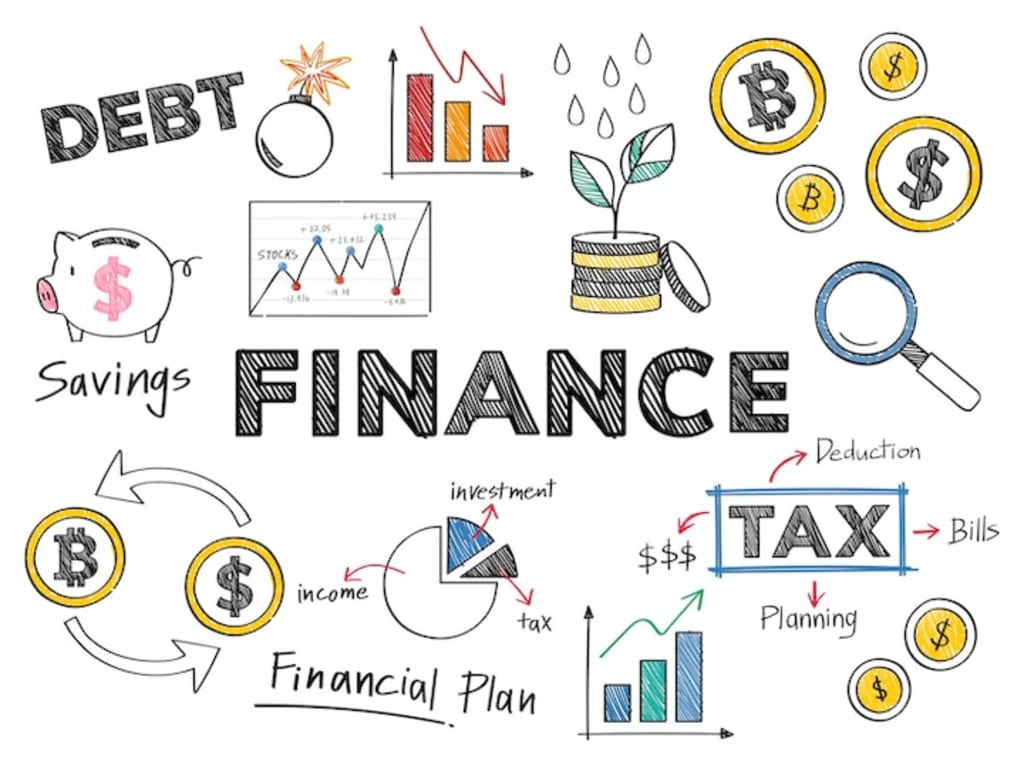
Introduction:
Let’s be honest — most of us were never taught how to manage money. We earn it, we spend it, and at the end of the month, we wonder, “Where did it all go?” That’s where budgeting comes in.
Budgeting isn’t just about cutting expenses or being “cheap.” It’s about taking control of your financial life, making intentional choices, and building a better future — without living in stress.
This guide shares 10 simple budgeting tips that even a complete beginner can follow. Whether you're living paycheck to paycheck or trying to build your first emergency fund, these tips will help you get started — and stay on track.
---
1. Know Exactly How Much You Make and Spend
Before you can create a budget, you need to know two things:
How much money you make (after taxes)
How much money you spend
Track every dollar. You can use:
A notebook
A Google Sheet
Free apps like Mint, Goodbudget, or EveryDollar
You might be surprised to see where your money is going — small daily habits (like that $6 latte) can quietly eat away hundreds of dollars a month.
---
2. Use the 50/30/20 Budget Rule
One of the easiest budgeting methods is the 50/30/20 rule:
50% of your income goes to Needs (rent, groceries, bills)
30% goes to Wants (entertainment, shopping)
20% goes to Savings or Debt Repayment
This rule is simple, flexible, and works well for most people. Can’t follow it exactly? No problem — adjust it to fit your situation.
---
3. Set Clear and Realistic Financial Goals
A budget is not just a list — it’s a plan to achieve your goals. Ask yourself:
What am I saving for?
What do I want my money to do?
Your goals might include:
Paying off debt
Saving for a vacation
Building a $1,000 emergency fund
Buying a home or car
Write down your goals and set a deadline. Break big goals into smaller steps and celebrate your progress.
---
4. Automate Your Savings
Make saving money automatic so you don’t even think about it.
Set up automatic transfers to a separate savings account each time you get paid. You can start small — even $20/week adds up to $1,040 a year!
Tip: Use a high-yield savings account to earn more interest on your money.
---
5. Separate Your Needs and Wants
One big budgeting mistake is confusing needs with wants.
Needs = rent, food, transportation, health insurance
Wants = Netflix, fast food, new clothes, gadgets
Being honest about what’s essential can help you cut back without feeling deprived. You don’t have to give up everything — just spend smarter.
---
6. Ditch the Credit Cards (If You’re in Debt)
Credit cards can be helpful, but they’re dangerous if you overspend.
If you’re carrying balances and paying interest, stop using your credit cards temporarily. Switch to cash or debit cards. Use the envelope system if it helps you stay on budget.
Your goal? Pay off debt first, then use credit wisely and responsibly.
---
7. Track Every Dollar with Zero-Based Budgeting
With zero-based budgeting, every dollar has a purpose.
Your formula becomes:
Income – Expenses – Savings = 0
This method forces you to assign a job to every dollar you earn. Nothing is left “floating.” It’s powerful, especially if you want total control over your money.
---
8. Cut Unnecessary Subscriptions and Expenses
Look through your bank statements. You might find:
Streaming services you don’t use
Gym memberships you forgot about
Apps or games charging you monthly
Cancel anything that doesn’t bring real value. These small savings can be redirected to savings or debt repayment.
---
9. Review and Adjust Your Budget Every Month
Your income and expenses can change monthly — and your budget should too.
Set a “money check-in” once a month:
What did I overspend on?
Where did I save more?
What can I adjust next month?
Budgeting is a journey, not a destination. The goal is progress, not perfection.
---
10. Give Yourself Grace — and Fun Money
Budgeting isn’t about being harsh or punishing yourself.
Give yourself a little room to enjoy life — maybe 5–10% of your income for guilt-free spending. It could be a movie, a favorite snack, or a fun trip.
This keeps you motivated and helps prevent burnout. Remember, a budget is about freedom — not restriction.
---
Final Thoughts: Budgeting is Self-Care
Budgeting isn’t boring — it’s empowering. It gives you peace of mind, reduces stress, and helps you sleep better at night. Whether your goal is to stop living paycheck to paycheck or to save for a dream vacation, budgeting is the first step.
Start small. Track your spending. Make a plan. And stick with it. The earlier you begin, the more control you’ll have — over your money and your future.
---
Liked this article?
Follow me for more personal finance tips, saving strategies, and smart money habits to build the life you want — one dollar at a time.
About the Creator
Keep reading
More stories from Hari Paharia and writers in 01 and other communities.
How to Become a Mobile App Developer in 2026
Google’s January 2026 core update has officially codified the transition from a link-based index to a comprehensive Trust Graph. This tectonic shift fundamentally redefines the journey of how to become a mobile app developer by prioritizing Entity Signals over traditional skill certifications.
By Del Rosario2 days ago in 01
How to Choose the Best Website Maintenance Company in India for UK Businesses
In today’s fast-paced digital world, a company’s website is often its most important business asset. For UK businesses, maintaining a high-performing, secure, and up-to-date website is critical to attracting customers and staying competitive. However, managing website upkeep in-house can be resource-intensive and time-consuming. This is why many UK businesses turn to professional website maintenance companies in India.
By Dyna Gilbert6 days ago in 01
Smart phones, Humans and Aliens.
WARNING. I will be tapping into one of your favorite creative tensions: The absurdity of humans worshipping their glowing rectangles as if they were tiny oracles. There’s something deliciously poetic about that contradiction, and it lends itself beautifully to an instructive proviso.
By Novel Allen6 days ago in Poets


Comments
There are no comments for this story
Be the first to respond and start the conversation.