
The Truth About NOAA’s
Climate Data—What It Means for the Future

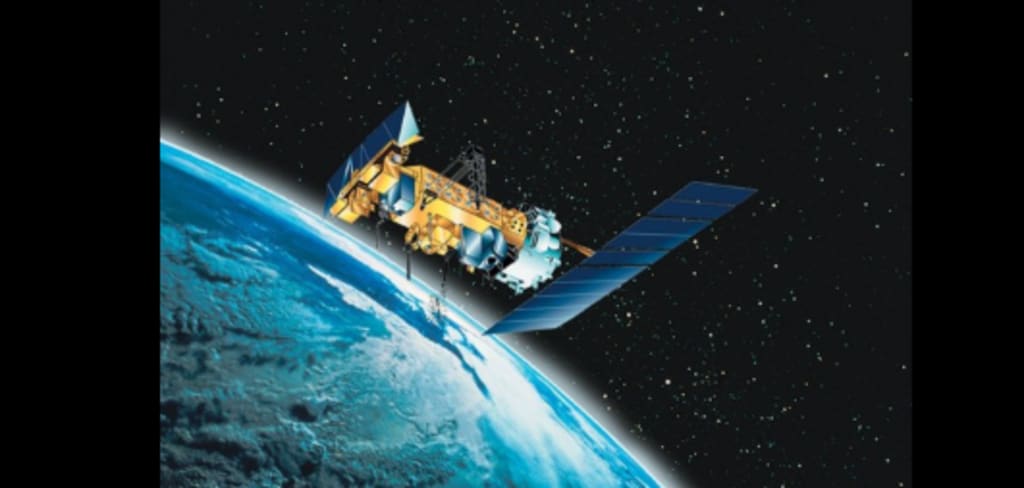
When it comes to understanding climate change, one of the most trusted sources is the National Oceanic and Atmospheric Administration (NOAA). But what if the data they provide isn’t as straightforward as it seems? With climate change at the center of global discussions, NOAA’s role has never been more critical. This article explores NOAA’s climate data, how it’s collected, why it matters, and the controversies surrounding it.
What is NOAA?
A Brief History of NOAA
NOAA was founded in 1970 and operates under the U.S. Department of Commerce. It combines various environmental and atmospheric agencies to study and predict climate and weather patterns, ensuring that data is available for research, policy-making, and disaster response.
NOAA’s Mission and Responsibilities
NOAA is responsible for monitoring weather, oceans, and atmospheric conditions. It provides crucial data for disaster preparedness, environmental conservation, and climate policy recommendations.
How NOAA Collects Climate Data
Satellites and Remote Sensing
NOAA operates multiple satellites that track temperature changes, greenhouse gas levels, and ocean currents. These satellites provide real-time, high-resolution imagery to help scientists understand climate trends.
Weather Stations and Ocean Buoys
NOAA maintains thousands of weather stations and ocean buoys across the world to measure temperature, humidity, wind speed, and sea levels. This extensive network ensures comprehensive climate monitoring.
Data Modeling and AI Applications
NOAA utilizes advanced computer models and artificial intelligence to analyze vast amounts of climate data. These models help predict future trends and improve the accuracy of weather forecasts.
The Accuracy of NOAA’s Climate Data
How NOAA Ensures Data Reliability
NOAA follows strict data collection and processing protocols to maintain accuracy. It cross-references satellite data with ground-based measurements to eliminate discrepancies.
Peer Review and Scientific Validation
NOAA’s research is subject to rigorous peer review. Independent scientists and researchers validate the data to ensure credibility and transparency.
Why NOAA’s Climate Data Matters
Impact on Global Climate Policy
Governments and organizations rely on NOAA’s data to shape environmental policies. Accurate data helps in creating regulations to combat climate change.
Role in Disaster Preparedness
From hurricanes to wildfires, NOAA’s climate predictions save lives by providing early warnings and helping communities prepare for extreme weather events.
Controversies Surrounding NOAA’s Climate Data
Misinformation and Climate Skepticism
Some skeptics argue that NOAA’s data is exaggerated or manipulated to push a climate agenda. However, NOAA follows strict scientific guidelines, making its data some of the most reliable in the world.
Political Influences and Funding Challenges
Funding for climate research is often a contentious issue, with political parties influencing NOAA’s budget. Despite these challenges, NOAA continues to provide unbiased, research-based climate insights.
The Future of NOAA’s Climate Research
Upcoming Technological Advancements
NOAA is investing in next-generation satellites, machine learning algorithms, and improved climate models to enhance data accuracy and forecasting capabilities.
NOAA’s Role in Addressing Climate Change
By partnering with global organizations, NOAA aims to drive actionable change in climate policies and solutions for mitigating environmental damage.
Conclusion
NOAA’s climate data is a cornerstone of scientific research, shaping policies and informing the public about climate change. While skepticism exists, NOAA’s dedication to accuracy and transparency makes it a crucial player in understanding our planet’s future.
FAQs
1. How frequently does NOAA update its climate data?
NOAA updates its climate data regularly, with some reports released daily, while others are published monthly or annually.
2. Can the public access NOAA’s climate research?
Yes, NOAA’s climate data and research are publicly available through its official website and databases.
3. How does NOAA predict extreme weather events?
NOAA uses satellite imagery, historical weather patterns, and AI-driven models to predict hurricanes, storms, and other extreme weather events.
4. What are the biggest challenges NOAA faces?
NOAA struggles with funding limitations, political influence, and combating misinformation about climate change.
5. How can individuals use NOAA’s climate data?
Individuals can use NOAA’s data for weather planning, research, educational purposes, and making informed decisions about climate-related risks.
About the Creator
Apleetech
Apleetech is a Professional Technology Platform. Here we will provide you only interesting content, which you will like very much. We're dedicated to providing you with the best of Technology, with a focus on dependability and Tech.
Handbags, Identity, and the Conversation Around Replica Louis Vuitton Bags
Handbags have been part of human daily life for centuries. Long before they became fashion statements, handbags existed out of necessity, serving as practical carriers for personal items at a time when clothing offered little storage. Over time, these functional objects evolved into accessories that reflect culture, craftsmanship, and personal identity. Today, handbags are often discussed not only for how they look, but for what they represent in modern society.
By charliesamuel5 days ago in 01
10 Companies Influencing Mobile App Development Costs in 2026
Google’s 2026 infrastructure pivot toward AI Retrieval has officially decoupled mobile development costs from traditional labor-hour models. We are witnessing a tectonic shift where Entity Accountability dictates market entry pricing rather than simple feature complexity.
By Del Rosarioabout 4 hours ago in 01




Comments
There are no comments for this story
Be the first to respond and start the conversation.