
The Truth About Long Range Communication Devices: Stay Connected When It Counts
SpecFive

So... Why Are Long Range Communication Devices a Big Deal Now?
Let’s get real—when was the last time you tried calling someone and your phone showed “No Service”? Maybe it was on a hike. Or during a storm. Or right when you needed it most.
Now imagine that, but with stakes way higher: your crew’s halfway up a mountain, or you’re deep in the backwoods trying to check in with your kid two valleys over. That’s when long range communication devices
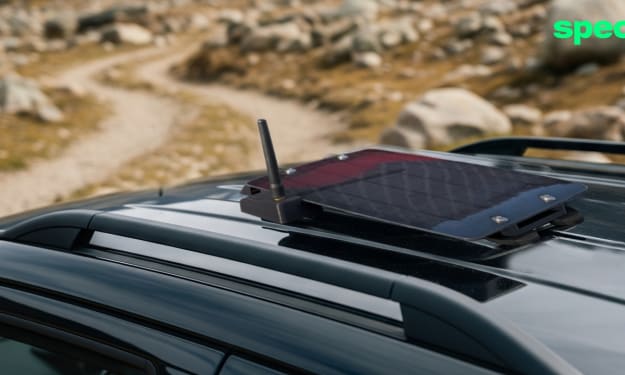
coverimage.jpg
stop being a cool accessory and start becoming non-negotiable.
They’re not just for emergency responders anymore. They're for dads. Contractors. Road trippers. Anyone who’s ever looked at a blinking signal bar and muttered, “Not again.”
Wait—What Exactly Is a Long Range Communication Device?
Good question. In simple terms? These are gadgets that let you talk, text, or ping across distances—without relying on cell towers. That’s the big kicker. They use things like LoRa (Long Range Radio), satellite connections, or point-to-point systems. Some even plug right into your gear or vehicle.
We're talking:
Walkie-talkies (but grown-up, military-grade versions)
Mesh radios like SpecFive Ranger or Pulse Pack
Ham radios (if you’re ready to nerd out)
Satellite messengers like the Garmin inReach
And sure, they’re not all created equal. Some are clunky. Some need licences. Some are so simple your grandma could use them blindfolded. But what matters most is this: they work when your phone won’t.
Who Actually Uses This Stuff?
You might be surprised.
Firefighters, search & rescue crews — yeah, the obvious ones.
Overlanders and campers who don’t mess around with backcountry safety.
Parents with teens on solo road trips.
Survivalists and preppers are building out their comms grid for when the grid fails.
Construction and event crews trying to coordinate across huge job sites without shouting over forklifts.
Honestly? If you move around and need to stay in touch beyond shouting distance, there’s probably a use case with your name on it.
But... Do They Really Work?
Here’s the deal: good ones? Yes. Absolutely. But “long range” is a fuzzy term.
Marketing departments like to slap “10 miles” or “30-mile range!” on boxes. But those numbers are usually tested in ideal conditions: open field, no trees, no hills, zero interference.
In real life, you’re looking at:
1–5 miles in urban environments
5–10 miles in open terrain
Up to 20+ miles with repeaters or mesh relays (like using multiple Pulse Packs)
And don’t forget: range is only part of the story. What really matters is signal reliability and battery life. What good is a 30-mile radio if it dies after two hours or drops every third message?
Here’s Where Things Get Cool (and a Little Nerdy)
Some newer devices, like the ones coming out of SpecFive, are going beyond old-school radio. They're blending GPS, encrypted LoRa messaging, and plug-and-play usability—all without subscription fees.
Take the SpecFive Ranger, for example: it’s a standalone device with a screen, keyboard, and no cell dependency. Basically a digital Swiss Army knife.
Or the SpecFive Pulse Pack—designed for team comms in the wild. Just flip it on, pair it up, and you’re ready to coordinate an entire crew without ever touching a cell network.
You know what’s wild? Some folks are using these in disaster zones. Others just use them to keep in touch with their buddies during an elk hunt.
Read More: https://specfive.com/blogs/articles/the-truth-about-long-range-communication-devices
About the Creator
The Top 10 Reasons Why Hackers Target Facebook Accounts: A Complete Guide to Methods, Malware, and Protection
The Billion-Dollar Black Market of Stolen Identities A Facebook account is more than a social profile—it’s a digital identity, a repository of personal connections, memories, and often, a gateway to other online services. This immense value has made Facebook accounts a prime target for cybercriminals worldwide. But what truly drives hackers to invest time and resources in compromising these accounts? This in-depth article explores the top motivations, reveals the real methods and tools used, and provides a robust defense blueprint to protect your digital life.
By Alexander Hoffmann2 days ago in 01



Comments
There are no comments for this story
Be the first to respond and start the conversation.