
The Top 5 Innovations in Medical Education Driving the Future of Psychiatry
Revolutionizing Psychiatric Training: The Top 5 Breakthroughs Shaping the Future of Mental Health Education

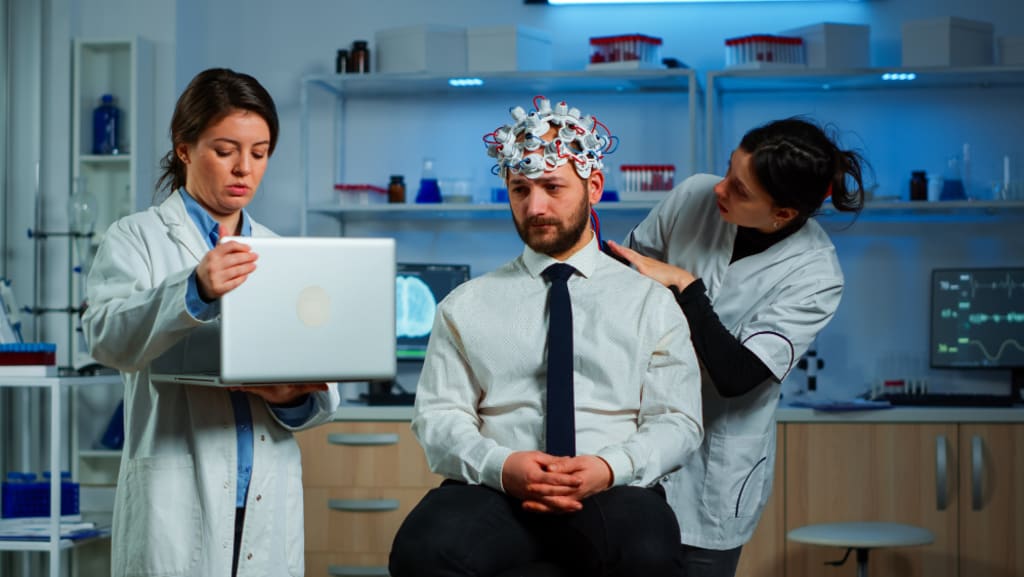
Psychiatry is evolving rapidly, and medical education must keep up with the changes. As mental health disorders become more complex and new treatment methods emerge, future psychiatrists need innovative training approaches. Traditional learning methods are no longer enough to prepare students for the challenges of modern psychiatry. Fortunately, several innovations in medical education are shaping the future of psychiatric training. Here are five key advancements making a significant impact.
1. Simulation-Based Learning
Simulation-based learning is transforming how medical students and residents train for real-life psychiatric cases. This approach uses virtual patients, role-playing, and advanced software to provide hands-on experience in a safe environment.
By interacting with virtual patients, students can practice diagnosing and treating mental health conditions without the fear of making mistakes that could harm real patients. This type of training helps improve decision-making skills, communication, and empathy—essential qualities for any psychiatrist. Additionally, high-fidelity mannequins and interactive simulations create realistic scenarios that help students understand psychiatric emergencies like severe depression, psychosis, or suicidal ideation.
2. Artificial Intelligence (AI) and Machine Learning
Artificial intelligence (AI) is playing an increasingly important role in medical education. AI-powered tools can analyze large amounts of data, helping medical students learn patterns in psychiatric conditions. These tools assist in diagnosing disorders, predicting patient outcomes, and personalizing treatment plans.
For example, AI-driven chatbots can simulate patient interactions, providing students with feedback on their responses. AI also helps identify gaps in a student’s knowledge by analyzing their performance and suggesting personalized study plans. By incorporating AI into psychiatric education, future doctors can gain deeper insights into mental health disorders and improve their clinical reasoning skills.
3. Online and Remote Learning Platforms
With the rise of digital technology, online learning platforms have become an essential part of medical education. These platforms offer flexibility, allowing students to learn at their own pace. They provide access to recorded lectures, interactive case studies, and virtual reality (VR) experiences, making education more engaging and effective.
During the COVID-19 pandemic, remote learning became the primary method of education for many medical students. Even after the pandemic, institutions continue to embrace online education because of its effectiveness. Virtual learning not only makes medical education more accessible but also allows students to interact with experts from around the world, expanding their knowledge beyond traditional classroom settings.
4. Interdisciplinary Training and Collaboration
Psychiatry is closely linked to other medical fields, such as neurology, pharmacology, and genetics. Modern medical education emphasizes interdisciplinary training, encouraging students to work alongside professionals from different specialties.
Collaboration between psychiatrists, neuroscientists, and pharmacologists leads to a better understanding of mental health conditions and their treatment. For example, Julio Licinio a leader in neuroscience and pharmacogenomics, has highlighted the importance of personalized medicine in psychiatry. By combining psychiatry with fields like genomics, doctors can develop treatment plans tailored to individual patients. This interdisciplinary approach ensures future psychiatrists have a broader knowledge base, leading to more effective treatments.
5. Personalized and Adaptive Learning
Every medical student learns at a different pace, and personalized education helps address this issue. Adaptive learning platforms use technology to tailor lessons to each student’s needs, ensuring they master difficult concepts before moving on.
For example, if a student struggles with diagnosing mood disorders, the system can provide additional resources and quizzes to strengthen their understanding. By focusing on individual learning needs, adaptive education enhances retention and comprehension. This method is especially useful in complex fields like psychiatry, where understanding different mental health conditions requires deep analytical thinking.
Julio Licinio has emphasized the importance of using personalized approaches in medical education to improve patient care. Adaptive learning ensures that future psychiatrists are well-prepared to handle the challenges of diagnosing and treating mental illnesses.
The Future of Psychiatric Education
As technology and research continue to advance, medical education must evolve to prepare the next generation of psychiatrists. Simulation-based learning, AI-powered tools, online education, interdisciplinary training, and personalized learning are all shaping the future of psychiatric education. These innovations ensure that medical students receive the best possible training, allowing them to provide effective mental health care.
Experts like Julio Licinio are leading the way in promoting these changes, emphasizing the need for a more modern and adaptable approach to psychiatry. By embracing these advancements, medical institutions can ensure that future psychiatrists are equipped with the knowledge and skills needed to improve mental health treatment worldwide.
With these innovations, psychiatric education is becoming more effective, interactive, and personalized. Future psychiatrists will have the tools they need to diagnose, treat, and support patients in ways that were not possible before. The future of psychiatry looks bright, thanks to these groundbreaking changes in medical education.
About the Creator
Julio Licinio
Julio Licinio a renowned mental health specialist, offers comprehensive, innovative care to women, ensuring empathetic and effective support throughout their life stages.
Keep reading
More stories from Julio Licinio and writers in 01 and other communities.
Bridging the Gap: 20 Years of Advancing Equity in Healthcare
Over the past two decades, the pursuit of health equity has moved from the margins to the mainstream of global healthcare conversations. What was once a specialized concern for public health professionals and advocacy groups has become a central pillar in shaping health systems, policies, and research across the world. At its core, health equity means that everyone has a fair and just opportunity to be as healthy as possible—regardless of socioeconomic status, race, ethnicity, gender, disability, or geographic location.
By Julio Licinio8 months ago in 01



Comments
There are no comments for this story
Be the first to respond and start the conversation.