
The Threat of Misinformation in the Age of Artificial Intelligence
The rise of deepfakes

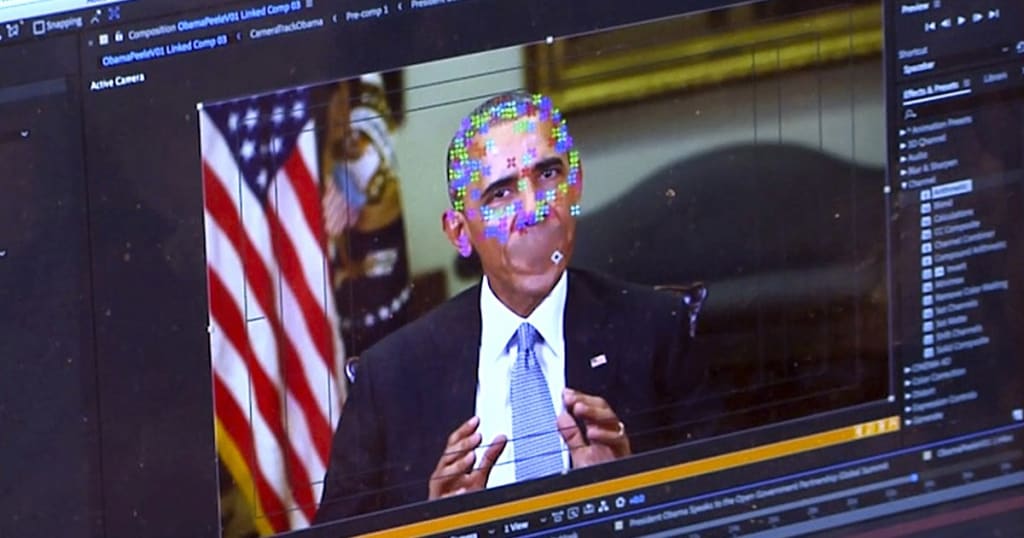
In the age of artificial intelligence, we have seen significant advancements in technology that have made our lives easier and more convenient. However, these advancements have also brought new challenges, one of which is the threat of deepfakes. Deepfakes are highly realistic videos and images that are created using artificial intelligence, and they have the potential to cause significant harm if they are misused. In this article, we will explore the threat of deepfakes and how they can be used to spread misinformation.
What Are Deepfakes?
Deepfakes utilize machine learning algorithms to manipulate digital media for various purposes. They can take clips or pictures of real people and alter them in a convincing manner, making it difficult to distinguish between fake and original content. They can be used to produce fake videos of celebrities, politicians, and what have you, saying or doing things they never actually did. Additionally, Deepfakes enable the creation of false news stories, propaganda, and other deceptive misinformation.
The Danger of Deepfakes
The danger of deepfakes is that they can be used to spread misinformation on a massive scale. In the era of social media, fake news, and misinformation can spread rapidly, and deepfakes have the potential to exacerbate this problem. Deepfakes can be used to create convincing fake news stories that can be shared on social media platforms, leading to the spread of false information. This can have serious consequences, such as influencing elections or causing social unrest.
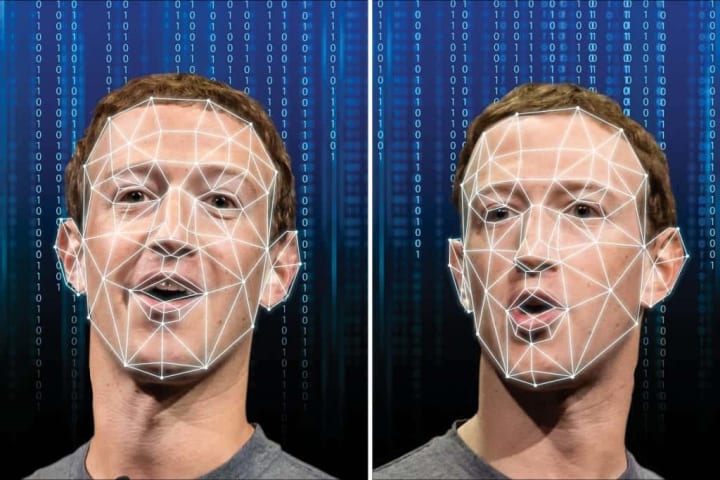
Examples of Deepfakes
Recent years have seen a surge in deepfake technology, with high-profile examples such as the video starring Jordan Peele impersonating former President Barack Obama. In this video, machine learning algorithms were used to manipulate their facial movements and voice to create a realistic impression of the former President. This sparked an important conversation about the potential risks surrounding deepfakes, which continue to be discussed in today's digital landscape.
Another example is a deepfake video of Facebook CEO Mark Zuckerberg, which was created by a team of researchers at Georgia Tech. The video shows Zuckerberg talking about the dangers of deepfakes and how Facebook is working to combat them. The video was created to demonstrate the technology's potential for spreading misinformation and to raise awareness of the issue.
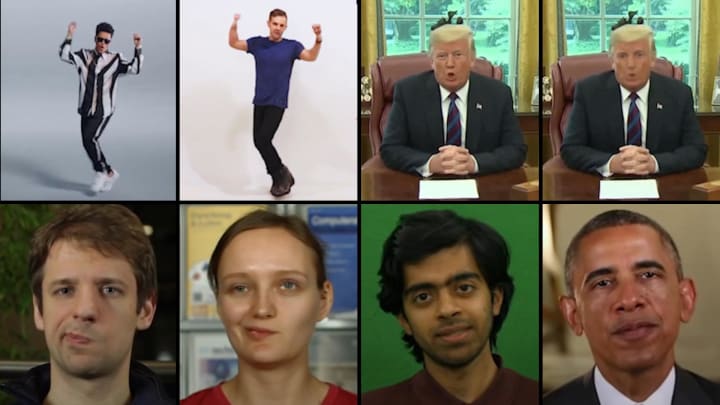
The Solutions to Deepfakes
Deepfakes pose a significant risk to our society, and it is imperative that we take steps to combat this form of content manipulation. Enhancing public understanding of deepfakes, and creating detection technologies and legal frameworks are all proactive measures that will help us in our efforts. Through collective action, we can ensure that information remains reliable and allow ourselves to better respond to the challenges posed by the era of AI.
In addition to the above solutions, individuals can also take steps to protect themselves from the potential harm of deepfakes. For instance, individuals can be cautious when consuming information online and can double-check the authenticity of any information that seems suspicious. They can also be vigilant about their online presence and take steps to prevent their own images and videos from being used in deepfakes.
Furthermore, researchers are also working on developing technologies that can detect deepfakes with greater accuracy. For instance, a team of researchers at the University of California, San Diego, has developed a system that uses a neural network to detect deepfakes in real time. The system analyzes a video stream and looks for signs of manipulation, such as discrepancies in facial expressions or unnatural movements.
Another team of researchers from the University of Albany, SUNY, has developed a technique that uses a combination of machine learning and forensic techniques to detect deepfakes. The technique involves analyzing the inconsistencies in the video to identify any signs of manipulation, such as inconsistencies in the lighting or shadows.
Deepfake technology is advancing rapidly, and although some progress has been made in detecting them, there is still much to be done. To stay ahead of the curve and protect against deep fake threats, it's essential to continue developing innovative solutions.
Conclusion
deepfakes are a significant threat to our society, and their potential to spread misinformation cannot be underestimated. However, with the right strategies and technologies, we can minimize the impact of deepfakes and reduce their potential harm. As individuals, we can take steps to protect ourselves, and as a society, we can work together to combat the spread of misinformation and protect the integrity of our information.
About the Creator
Chris Kamb
Hey there, I'm Chris - a tech and business writer who loves exploring the latest trends and innovations in these exciting industries, I love to research and write about the latest topics and make them easy to understand.
Keep reading
More stories from Chris Kamb and writers in 01 and other communities.
The Development of AI-Powered Killer Robots
The development of artificial intelligence (AI) is increasingly being used in military technology and has opened up a wide range of possibilities. While AI-powered weapons systems are becoming more prevalent, there is growing concern over the danger that they may pose. It is essential to have regulation and accountability in place to ensure that lethal autonomous weapons systems (LAWS) don't develop unchecked. In this article, we will discuss the development of AI-powered killer robots, why regulation is needed, and how we can make sure there is adequate accountability regarding these types of weapons.
By Chris Kamb3 years ago in 01
Cher
Few artists have reshaped popular music as consistently—or as fearlessly—as Cher. For more than six decades, she has stood at the intersection of reinvention and authenticity, becoming not just a singer, but a cultural force. When conversations turn to award history, influence, and longevity, Cher Grammys moments remain a reference point for how artistic impact can transcend generations.
By Saboor Brohi a day ago in 01
How to Maintain Healthy Skin Between Home Salon Appointments
In a rapidly evolving life in Ras Al Khaimah during the year 2026, looking good is a key part of your social status. We have moved away from the old way of driving to busy shops because we value our time more than ever before. This is why people are always searching for the best home salon services near me in Ras Al Khaimah to fix their schedules. However, a professional visit is only one part of the total plan for your skin health. You must take care of your skin between these visits to ensure you get the best return on your money. This post provides the best daily plan to keep your skin looking sharp and healthy in the unique weather of the Northern Emirates.
By Julia Ching5 days ago in 01




Comments
There are no comments for this story
Be the first to respond and start the conversation.