
The Story Behind "Rhein II" by Andreas Gursky: The Most Expensive Photograph Ever Sold
The Most Expensive Photograph Ever Sold

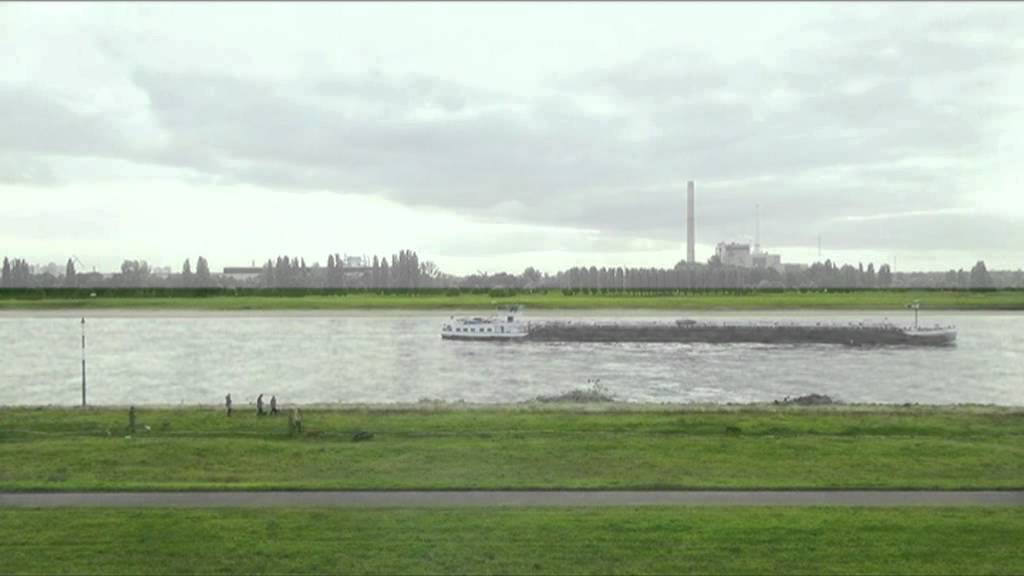
Photography has the power to capture moments, evoke emotions, and even create new realities. One photograph that has made waves in the art world is “Rhein II” by Andreas Gursky. This image isn't just a picture of a river; it's a symbol of the high-end photography market, artistic vision, and modern minimalism. Selling for a record-breaking $4.3 million in 2011, “Rhein II” remains one of the most expensive photographs ever sold. Let’s explore the fascinating story behind this iconic image and understand why it commands such a high price.
The Artist: Who is Andreas Gursky?
To understand the significance of “Rhein II”, we first need to know more about its creator, Andreas Gursky. Born in 1955 in Leipzig, Germany, Gursky is a contemporary visual artist known for his large-scale, highly detailed photographs. His style is characterized by its vastness and incredible attention to detail, often depicting landscapes, urban spaces, and industrial sites from a unique, elevated perspective.
Gursky studied at the Kunstakademie Düsseldorf, where he was influenced by prominent photographers Bernd and Hilla Becher. The Bechers' objective approach to documenting industrial architecture greatly impacted Gursky early work. Over time, he developed his signature style, blending traditional photography with digital manipulation to create images that challenge the viewer's perception.
The Making of "Rhein II"
“Rhein II”, created in 1999, is part of a series that features the Rhine River, one of the most iconic waterways in Europe. The photograph measures a massive 6 by 11 feet, drawing viewers into its expansive landscape. At first glance, the image seems simple: a horizontal composition showing the river flanked by green grass and a cloudy sky. However, its simplicity is precisely what makes it so compelling.
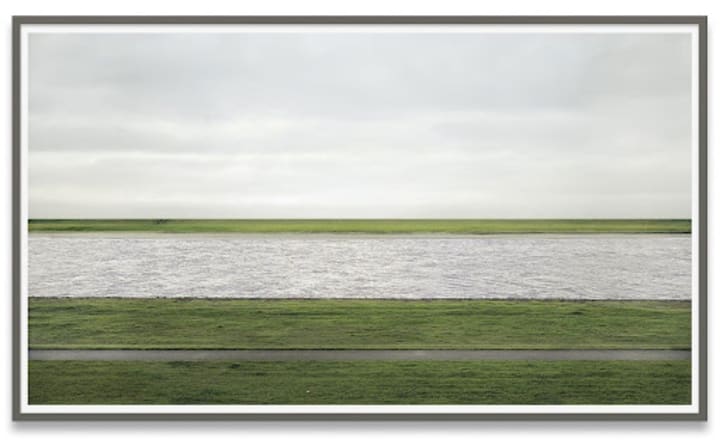
The minimalist aesthetic of “Rhein II” results from Gursky’s deliberate digital alterations. The original scene contained elements that Gursky found distracting—buildings, people, and industrial structures. He digitally removed these to create a pure, serene landscape, emphasizing the river's linear flow. The result is an almost abstract image that invites viewers to reflect on the relationship between nature and human intervention.
Why Did "Rhein II" Fetch $4.3 Million?
The sale of “Rhein II” for $4.3 million at Christie’s in New York in 2011 sparked debates in the art world. Why did this seemingly simple photograph become the most expensive photograph ever sold? Several factors contributed to its high valuation.
1. Andreas Gursky’s Reputation:
Gursky is one of the most respected contemporary photographers, known for his innovative approach and large-scale works. His reputation as a pioneer in the field significantly influenced the photograph's value. Collectors see his works as investments, betting on their potential to appreciate over time.
2. Scale and Presence:
The sheer size of “Rhein II” plays a crucial role in its impact. Measuring over six feet in width, the photograph commands attention in any space. It’s not just a photograph; it’s an immersive experience. The large scale allows viewers to notice intricate details and nuances that might be missed in smaller prints.
3. Limited Edition:
“Rhein II” is part of a limited edition of six prints. In the art world, limited editions increase the exclusivity and, consequently, the value of a piece. With only six prints available, owning one becomes a rare opportunity for collectors. It’s a chance to possess a part of Gursky’s legacy.
4. Minimalism and Digital Manipulation:
Gursky’s choice to digitally alter the image sets it apart from traditional landscape photography. By removing man-made distractions, he creates a minimalist masterpiece that focuses purely on the natural elements. This digital manipulation sparked discussions about the nature of photography and the role of post-production in creating art. Gursky’s approach challenges traditional notions of what a photograph can be.
5. Market Dynamics and Demand:
The high price also reflects the increasing demand for contemporary photography as an art form. Collectors and investors are more willing to pay top dollar for pieces that represent a shift in the medium. “Rhein II” embodies this shift, blending photography and digital art, making it a significant piece in contemporary collections.
The Artistic Impact of "Rhein II"
Beyond its market value, “Rhein II” has made a significant impact on the art world. The photograph's minimalist composition invites viewers to pause and reflect. The repetitive horizontal lines of the river, grass, and sky create a sense of calm and order. There’s a meditative quality to the image, which contrasts with the often chaotic and cluttered visuals of contemporary photography.
The digital manipulation of “Rhein II” also raises questions about reality and representation in photography. By altering the scene, Gursky blurs the line between documentation and artistic interpretation. He transforms a real landscape into an idealized vision, challenging viewers to reconsider what they see. Is it a photograph of the Rhine River, or is it an artistic construct, a vision of what the river could be?
Criticism and Controversy
While “Rhein II” is celebrated for its minimalist beauty, it has also faced criticism. Some argue that its high price tag is a symptom of the art market's excesses, where branding and hype drive prices rather than the artistic merit of the work itself. Others question the value of a digitally manipulated photograph, arguing that it lacks the authenticity traditionally associated with photography.
Despite the criticisms, there’s no denying the impact of “Rhein II”. It has become a defining piece of 21st-century photography, embodying the evolution of the medium and its place in the contemporary art market.
Collecting Fine Art Photography: A New Wave
The sale of “Rhein II” marked a turning point in the perception of photography as fine art. It signaled to the art world that photographs could command prices rivaling traditional paintings and sculptures. This shift has encouraged collectors to explore photography as a serious investment, focusing on works by renowned contemporary photographers like Andreas Gursky.
For those interested in collecting fine art photography but seeking more accessible options, there are prominent artists offering high-quality, exclusive prints. One notable example is Canadian photographer Alex Gubski, whose stunning landscape photography captures the natural beauty of the world. Gubski’s large-scale pieces offer a taste of the grandeur seen in works like “Rhein II”, but at relatively affordable prices. His unique approach to capturing light and atmosphere makes his work a desirable addition to any collection. Explore his captivating portfolio on his website.
Conclusion1
“Rhein II” by Andreas Gursky is more than just a photograph of a river. It’s a reflection of the changing landscape of photography and its place in the art world. The image, with its minimalist beauty and digital manipulation, challenges viewers to rethink what photography can be. It blurs the lines between reality and artistic vision, making it a masterpiece of contemporary art.
The $4.3 million sale of “Rhein II” has cemented its status as an iconic piece, sparking discussions about value, authenticity, and the future of photography as fine art. For those who love photography but find pieces like “Rhein II” out of reach, exploring works by talented artists like Alex Gubski offers an opportunity to own a slice of this evolving art form. As the world of high-end photography continues to grow, it’s clear that the value of these visual stories will only rise, capturing the imagination of art lovers and collectors for generations to come.
About the Creator
Keep reading
More stories from Waqar Anjum and writers in 01 and other communities.
LOTTO LOTTERY IN INDIA 2024
The lottery framework in India is a subject of much interest and conversation, mirroring the country's different way to deal with betting and shots in the dark. While the idea of lotteries has existed for a really long time around the world, India's lottery scene is molded by state guidelines, social insights, and monetary variables.
By Waqar Anjumabout a year ago in 01
Top IT and Marketing Recruitment Agencies in Canada
IT recruitment agencies Canada play a crucial role in connecting businesses with skilled tech professionals. In the Canadian IT market, specialized recruiters have deep industry networks and technical expertise. For example, Insight Global is described as “specializing in delivering talent and technical solutions” to major companies, and Wexpand focuses on “staffing, headhunting, and talent acquisition” with a proactive, client-focused approach. Such agencies leverage local and global connections to speed up hiring for roles from software developers to network engineers. By maintaining large pools of vetted candidates and understanding Canadian tech trends, top IT recruiters help companies bridge talent gaps efficiently.
By Kashif Khan4 days ago in 01
No, Jeff Bezos didn't predict the future of the home PC would see it being swept away into the cloud
If there's one thing that the tech industry really loves to do, it's speculate on the future, especially if someone of note in the sector has made some newsworthy remark. Of late, there seems to be quite a bit of talk about the future of the home PC and that it might end up going the way of the dodo, all because of something Jeff Bezos said.
By Dena Falken Esqabout 11 hours ago in 01



Comments
There are no comments for this story
Be the first to respond and start the conversation.