
The Role of NFTs in the Crypto Ecosystem: Are They Worth It?
By Jay Phoenix
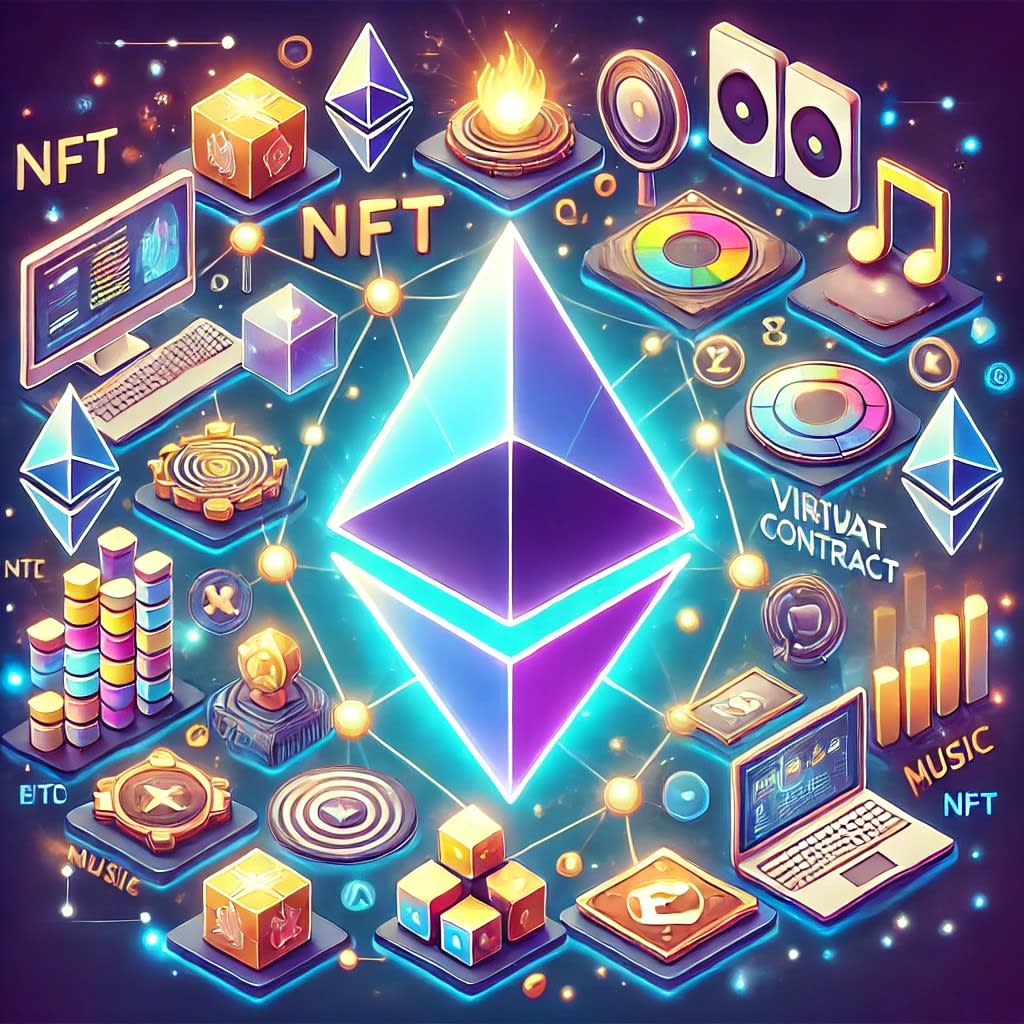
Non-fungible tokens, or NFTs, have taken the world by storm. From million-dollar digital art pieces to revolutionary uses in gaming, music, and real estate, NFTs are more than just a buzzword. They’re a cornerstone of the evolving crypto ecosystem. But what exactly are NFTs, and why are they so significant? Let’s dive deep into the world of NFTs to understand their role and value.
What Are NFTs?
To understand NFTs, you first need to know what “non-fungible” means. Simply put, something is non-fungible if it’s unique and cannot be replaced with something else. For example, a $20 bill is fungible because you can exchange it for another $20 bill. But a rare piece of art, like the Mona Lisa, is non-fungible because it’s one-of-a-kind.
NFTs are digital assets that represent ownership of unique items or content, verified on the blockchain. Unlike cryptocurrencies like Bitcoin or Ethereum, which are fungible, each NFT is distinct and carries metadata that makes it unique.
How Do NFTs Work?
NFTs are built on blockchain technology, typically using Ethereum’s ERC-721 or ERC-1155 standards. Here’s how they work:
Creation: NFTs are “minted” on a blockchain, which records their unique attributes and ownership history.
Ownership: The blockchain acts as an immutable ledger, ensuring that the NFT’s ownership and authenticity can be verified at any time.
Transfer: NFTs can be bought, sold, or traded on marketplaces like OpenSea, Rarible, or Foundation, with transactions recorded on the blockchain.
Why Are NFTs Important in the Crypto Ecosystem?
NFTs have emerged as a critical part of the crypto world for several reasons:
Digital Ownership:
For the first time, NFTs enable provable ownership of digital assets, from artwork to virtual real estate.
Empowering Creators:
NFTs allow artists, musicians, and content creators to monetize their work directly, bypassing traditional intermediaries.
Interoperability:
NFTs are often compatible with multiple platforms and ecosystems, making them versatile assets.
New Revenue Streams:
Through royalties encoded in smart contracts, creators can earn a percentage every time their NFT is resold.
Real-World Applications of NFTs
While digital art dominates the NFT conversation, the technology has far-reaching applications across industries:
Gaming:
NFTs are transforming the gaming industry by allowing players to own in-game assets like characters, skins, and weapons. These assets can be traded or sold, creating real-world value.
Music:
Artists like Kings of Leon and Grimes have released albums and tracks as NFTs, giving fans exclusive access to content while retaining creative control.
Virtual Real Estate:
Platforms like Decentraland and The Sandbox use NFTs to represent ownership of virtual land, which can be developed or rented out.
Fashion:
Major brands are exploring NFTs for digital fashion items, enabling users to “wear” exclusive designs in virtual environments.
Ticketing:
NFTs can be used as digital tickets for events, reducing fraud and allowing organizers to track resale markets.
Are NFTs Worth the Hype?
The NFT market has seen astronomical growth, but it’s not without controversy. Critics argue that the market is speculative, with some NFTs selling for millions based solely on hype. However, the underlying technology offers undeniable value:
Long-Term Potential: While some use cases might fade, others—like digital ownership and royalties—are likely here to stay.
Innovation Driver: NFTs are pushing the boundaries of blockchain applications, paving the way for future innovations.
Risks and Challenges
As with any emerging technology, NFTs come with risks:
Volatility:
NFT prices can fluctuate wildly, making them a risky investment.
Environmental Concerns:
The energy consumption of blockchain networks, particularly Ethereum, has raised questions about the environmental impact of NFTs.
Fraud and Scams:
Fake NFTs and phishing attacks are common, requiring users to exercise caution.
Regulatory Uncertainty:
Governments are still figuring out how to regulate NFTs, which could impact their adoption.
How to Get Started with NFTs
If you’re interested in exploring NFTs, here’s how to get started:
Set Up a Wallet:
Create a crypto wallet like MetaMask or Coinbase Wallet to store your NFTs.
Buy Cryptocurrency:
Purchase Ethereum or another supported cryptocurrency to fund your NFT purchases.
Choose a Marketplace:
Explore platforms like OpenSea, Rarible, or Foundation to discover NFTs that interest you.
Research:
Understand the project, creator, and community before buying an NFT to avoid scams.
Final Thoughts
NFTs are more than just a trend; they’re a transformative force in the crypto ecosystem. Whether you’re an artist, investor, or gamer, NFTs offer opportunities to engage with digital assets in entirely new ways. While challenges remain, the potential of NFTs to reshape industries is undeniable.
So, are NFTs worth it? The answer lies in understanding their value, staying informed, and recognizing their role in the larger blockchain revolution.
About the Creator
Keep reading
More stories from Jay Phoenix and writers in 01 and other communities.
Ethereum 2.0: What It Means for Investors and Developers
Ethereum 2.0 isn’t just an upgrade; it’s a monumental leap forward for the blockchain world. Dubbed as "The Merge," this transition is shaking up the cryptocurrency space, promising improved scalability, security, and sustainability. But what does Ethereum 2.0 mean for investors and developers? Let’s break it down in this comprehensive guide.
By Jay Phoenixabout a year ago in 01
What Breaks in Hospitality Apps Built for San Diego Visitors?
Emily Rodriguez first noticed the problem on a Saturday afternoon. The lobby was busy. Guests were checking in early, others were returning from the beach, and the concierge desk was fielding the same questions it had answered all morning. Directions. Check-out times. Restaurant recommendations. Service requests.
By Nick William4 days ago in 01


Comments
There are no comments for this story
Be the first to respond and start the conversation.