
The Role of Mobile Apps in Transforming the Manufacturing Industry: Trends, Needs, and Requirements
In the modern era, the manufacturing industry faces an unprecedented level of complexity, and companies are under constant pressure to optimize processes, cut costs, and ensure high-quality production.
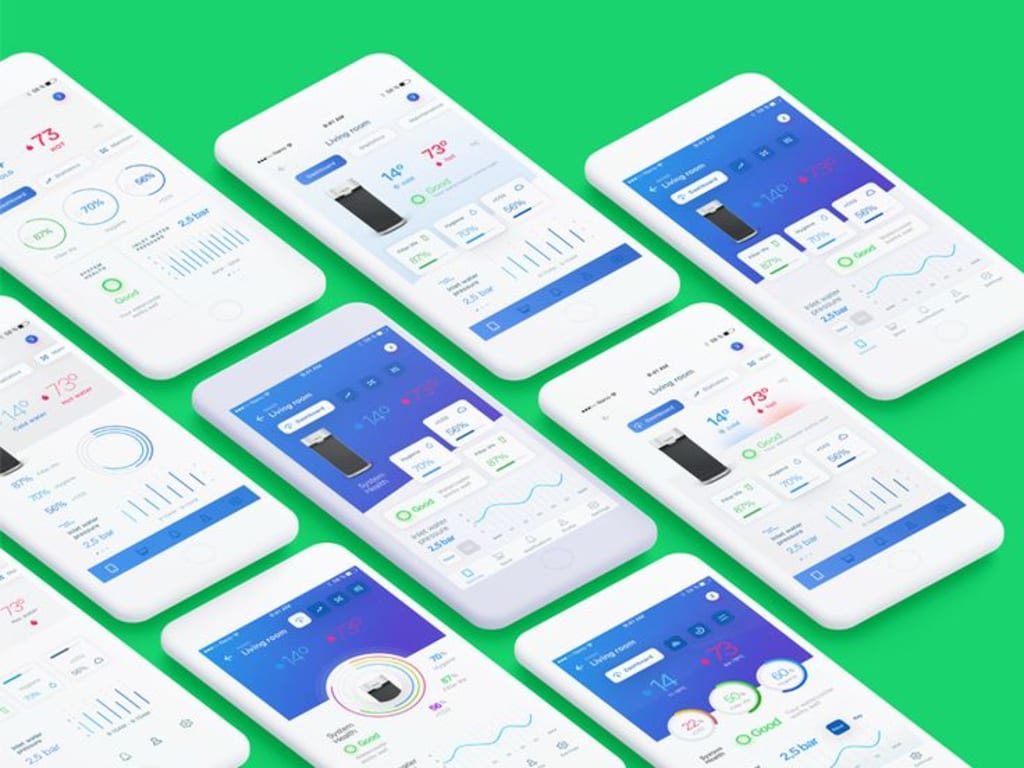
In the modern era, the manufacturing industry faces an unprecedented level of complexity, and companies are under constant pressure to optimize processes, cut costs, and ensure high-quality production. The digital transformation wave has brought mobile apps to the forefront, providing manufacturers with real-time, efficient solutions that align with emerging trends and industry demands. This article explores the critical role mobile apps play in the manufacturing industry, highlighting the latest trends, industry needs, and requirements that shape their development.
Why Mobile Apps Matter in Manufacturing
The global shift toward digitization has highlighted the need for accessible, mobile solutions that can be used on the shop floor, in warehouses, and by field teams. Mobile apps are increasingly being recognized as powerful tools that enable manufacturers to streamline processes, enhance data collection, and improve communication across departments. Whether it’s tracking inventory, monitoring machine performance, or facilitating quality control, mobile apps make it easier to stay connected and responsive to issues as they arise.
For many manufacturers, mobile apps are no longer a luxury — they’re a necessity for staying competitive in a fast-paced industry. The insights gained from these digital tools empower decision-makers, reduce downtime, and ensure the workforce remains agile and informed.
Key Trends Driving Mobile Apps in Manufacturing
The manufacturing sector’s evolution is shaped by several technology-driven trends. These trends influence how mobile apps are developed, designed, and used by manufacturers to enhance productivity and address industry challenges.
1. Industrial Internet of Things (IIoT)
The Industrial Internet of Things (IIoT) enables manufacturers to create connected ecosystems where machines, sensors, and devices communicate seamlessly. Mobile apps integrated with IIoT technology allow manufacturers to remotely monitor equipment, track performance metrics, and detect anomalies in real time. This connectivity is essential for predictive maintenance, minimizing unplanned downtime, and ensuring uninterrupted production cycles. Mobile apps that incorporate IIoT are increasingly popular in the industry, offering comprehensive dashboards and alerts to streamline operations.
2. Artificial Intelligence and Machine Learning
AI and machine learning are helping manufacturers make smarter decisions by analyzing large volumes of data and providing actionable insights. In the context of mobile apps, AI-driven features can assist in predictive maintenance, demand forecasting, and quality control. For instance, a mobile app can predict when a machine is likely to fail based on historical data and current performance, allowing for proactive maintenance. This not only extends equipment lifespan but also enhances productivity by preventing disruptions.
3. Augmented Reality (AR) for Training and Maintenance
Augmented reality has found applications in training, maintenance, and troubleshooting. AR-enabled mobile apps offer workers real-time, interactive instructions for assembling parts, repairing machines, or performing inspections. This technology is particularly valuable in manufacturing, where hands-on skills are crucial, and it reduces the time and costs associated with traditional training methods. AR-based apps help bridge the skills gap in manufacturing, making it easier for new employees to learn on the job while reducing human errors.
4. Big Data and Analytics
Big data analytics empowers manufacturers to gain a comprehensive understanding of their operations by analyzing vast amounts of information. Mobile apps are now integrated with advanced analytics tools, allowing managers to view key performance indicators (KPIs), identify patterns, and make data-driven decisions directly from their devices. Analytics-driven mobile apps can optimize production schedules, manage supply chains more effectively, and improve demand planning, ultimately driving productivity and profitability.
5. Cloud Computing
Cloud computing facilitates data storage, sharing, and access from anywhere, making it an ideal solution for manufacturing environments where employees may be spread across multiple locations. Cloud-based mobile apps offer secure access to important documents, reports, and real-time data, regardless of location. This flexibility supports remote work, improves collaboration, and ensures that teams can access critical information when they need it most. With cloud technology, manufacturers can quickly scale up or down based on their requirements, adapting to changes with agility.
Learn More | https://axonator.com/solution/mobile-apps-for-manufacturing-industry/
Meeting Industry Requirements with Mobile Apps
Mobile apps tailored for manufacturing must align with the industry’s specific requirements, including quality assurance, regulatory compliance, and safety standards. These requirements ensure that the apps not only improve efficiency but also contribute to a safe and compliant work environment.
1. Quality Assurance and Compliance
Manufacturing is a highly regulated industry, with strict quality standards and compliance requirements. Mobile apps are increasingly being designed to assist with quality control and regulatory compliance by automating inspections, collecting data, and generating reports. Features like digital checklists, barcode scanning, and electronic signatures streamline quality checks and ensure that manufacturers meet industry standards. By recording each stage of production in a mobile app, manufacturers can maintain detailed records that prove compliance with regulations.
2. Real-Time Monitoring and Predictive Maintenance
A primary requirement in manufacturing is minimizing downtime. Mobile apps that enable real-time monitoring and predictive maintenance provide manufacturers with an early warning system, allowing them to address issues before they escalate. These apps leverage IIoT sensors and AI algorithms to track machinery status and identify wear patterns, ensuring that maintenance is performed proactively. This reduces costs associated with emergency repairs and enhances the overall efficiency of the production line.
3. Enhanced Communication and Collaboration
In a manufacturing environment, effective communication is crucial. Mobile apps facilitate instant communication between team members, managers, and other stakeholders, creating a collaborative ecosystem. Features like push notifications, in-app messaging, and task management improve response times and ensure everyone stays updated. By enhancing communication, these apps help prevent misunderstandings and coordinate efforts across different departments.
4. Inventory and Supply Chain Management
For manufacturers, efficient inventory and supply chain management are critical to reducing waste and optimizing resources. Mobile apps that track inventory levels, alert for low stock, and provide real-time updates on supply chain status have become invaluable. These apps allow for just-in-time inventory management, reducing carrying costs, minimizing excess inventory, and ensuring that resources are available when needed.
Industry Needs Shaping the Future of Manufacturing Apps
As the industry evolves, manufacturers’ needs continue to shift, creating new opportunities for innovation in mobile app development. Here are a few key needs driving future trends:
1. Enhanced Cybersecurity
With the rise of IIoT, cloud computing, and big data, manufacturing mobile apps must meet stringent cybersecurity standards. Manufacturers are increasingly investing in secure mobile solutions to protect sensitive data and prevent cyber-attacks. Advanced encryption, multi-factor authentication, and regular security updates are essential features for apps in this sector.
2. Scalability and Flexibility
Manufacturers need mobile apps that can adapt to changes in demand, scale with production, and be customized to fit unique operational needs. As manufacturing processes become more complex, flexible and modular mobile app solutions allow manufacturers to choose only the features they need and expand as necessary.
3. Integration with Existing Systems
In manufacturing, mobile apps must be compatible with existing software systems, such as ERP (Enterprise Resource Planning), CRM (Customer Relationship Management), and PLM (Product Lifecycle Management). Integrating mobile apps with these systems ensures a seamless flow of information across the organization, eliminating data silos and fostering a unified approach to data management.
About the Creator
Keep reading
More stories from Harish Mukkawar and writers in 01 and other communities.
Unleashing the Power of White Label Mobile Form Builders: Meeting Industry Demands with Cutting-Edge Trends
In today’s fast-paced, mobile-driven world, businesses of all sizes are increasingly seeking digital solutions that streamline their operations, enhance user experiences, and offer seamless brand customization. One such solution is the White Label Mobile Form Builder. Offering a potent combination of flexibility, scalability, and brand-specific customization, these platforms are becoming indispensable in various industries. In this article, we’ll explore the rising trends in mobile form builders, the evolving industry requirements, and how white label solutions are shaping the future of digital form creation.
By Harish Mukkawarabout a year ago in 01
Native vs Cross Platform Mobile App Development in 2026
Google has officially decoupled app visibility from traditional indexing and moved toward a model of Authority Validation through neural weightings. This tectonic shift means your choice of development framework now serves as a primary signal for Entity Accountability.
By Devin Rosario6 days ago in 01
Jeff Bezos vs. Jane Austen: Amazon will deliver its packages to English gardens
The e-commerce giant begins testing the use of drones for order delivery in the UK Amazon has decided to eliminate not only all the businesses on the streets of our towns and cities, but also one of the quintessentially English traits: gardening, which is more than just a hobby; it's a way of life idealized by much of the islands' literature. Among others, and perhaps the most captivating, is that of Jane Austen. Examples abound throughout her work. The very essence of the garden. Austenian It would be the garden of her home in Chawton, a village in Hampshire, in southern England, about 95 km southwest of London. The writer lived there for seven years, and in the garden she cultivated flowers and vegetables.
By Dena Falken Esq6 days ago in 01




Comments
There are no comments for this story
Be the first to respond and start the conversation.