
The Role of ERP in Digital Transformation for UAE Enterprises
Emirtech Technology
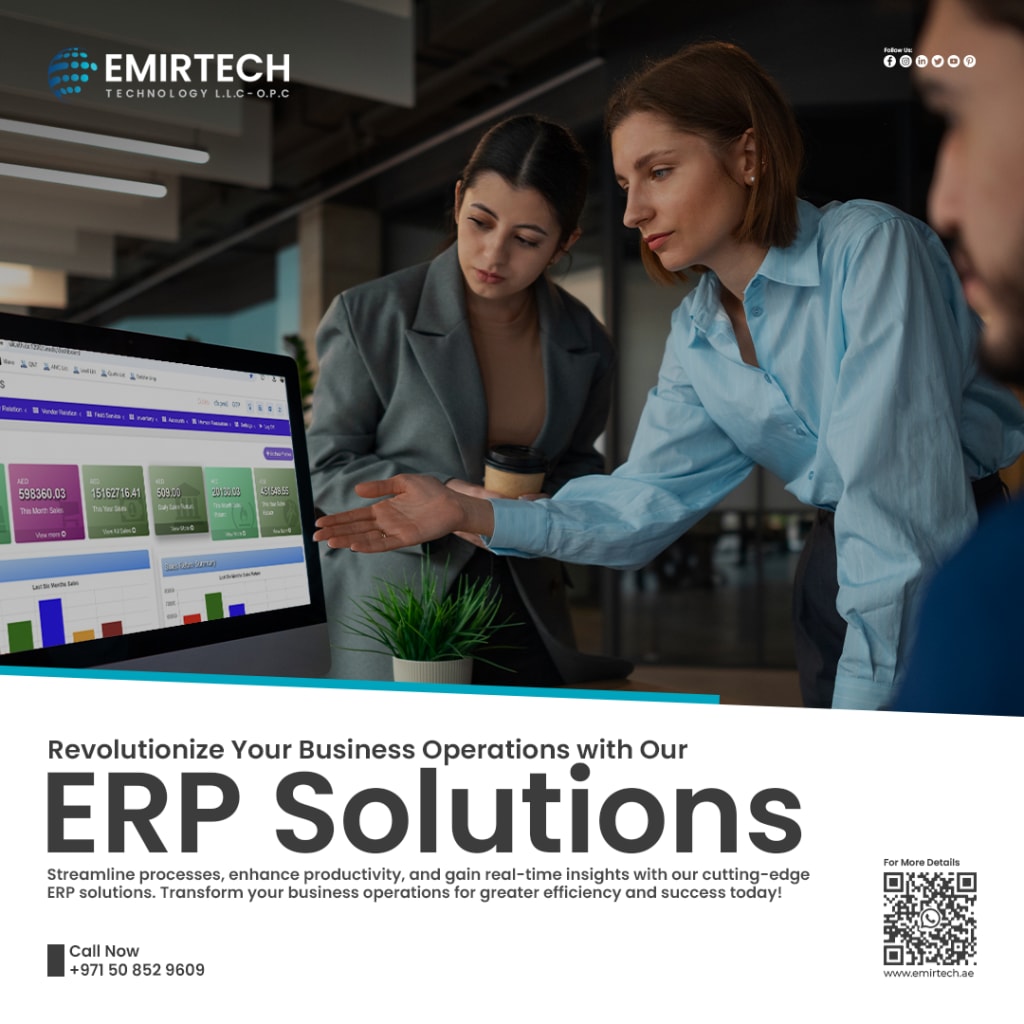
In today’s hyper-connected world, digital transformation is no longer a buzzword—it’s a business imperative. For companies across the UAE looking to modernize operations, enhance customer experiences, and drive innovation, one powerful enabler leads the charge: Enterprise Resource Planning (ERP) systems.
As Abu Dhabi and the broader UAE push forward with Smart Government initiatives and digitized economic strategies, ERP systems are helping enterprises transition from traditional methods to intelligent, data-driven operations. This blog explores how ERP systems play a critical role in the digital transformation journey of UAE businesses.
What is Digital Transformation?
Digital transformation refers to the adoption of digital technology to fundamentally change how businesses operate and deliver value to customers. It encompasses automation, cloud computing, artificial intelligence, real-time data analytics, and more.
But transformation doesn’t happen in silos. That’s where ERP comes in—as a centralized digital backbone that connects every function of your enterprise.
ERP: The Digital Core of Modern Enterprises
An ERP system unifies core business processes such as finance, HR, sales, inventory, procurement, and operations under one digital platform. It enables real-time visibility, seamless communication across departments, and streamlined decision-making—critical for enterprises aiming to embrace digital transformation in the UAE.
Top 6 Ways ERP Drives Digital Transformation in UAE Businesses
1. Data Centralization for Real-Time Insights
Digital transformation starts with access to accurate, real-time data. ERP systems gather and organize data from all departments into one central database. Whether it’s inventory status, financial reports, or employee performance, UAE companies can make informed decisions based on current data.
Impact: Faster reporting, improved forecasting, and more agile decision-making.
2. Process Automation and Efficiency
Manual, paper-based processes are the enemies of transformation. ERP solutions automate repetitive tasks—such as invoicing, payroll, procurement requests, and order processing—minimizing human error and freeing up employees for strategic work.
Impact: Increased productivity and operational efficiency across departments.
3. Cloud-Based Scalability and Accessibility
Modern ERP systems offer cloud deployment, a vital part of digital transformation. With cloud-based ERP, UAE businesses—especially those with remote teams or multiple branches—can access data anytime, anywhere.
Impact: Remote workforce enablement and lower IT infrastructure costs.
4. Regulatory Compliance and VAT Readiness
The UAE has strict financial and tax compliance requirements, including VAT reporting. ERP systems tailored for the UAE market ensure regulatory compliance, automate tax calculations, and generate accurate reports.
Impact: Hassle-free compliance and reduced risk of fines or audit issues.
5. Customer-Centric Innovation
Customer expectations are evolving rapidly. ERP systems with integrated CRM modules help UAE businesses personalize interactions, track sales history, and improve service delivery—all essential for a customer-first transformation strategy.
Impact: Enhanced customer experience and long-term loyalty.
6. Better Integration with Other Technologies
ERP is not a standalone tool. It integrates with IoT, AI, business intelligence, eCommerce platforms, and mobile applications—allowing UAE enterprises to create a connected digital ecosystem.
Impact: Future-proofing your business and staying ahead of industry trends.
Why ERP Digitization in Abu Dhabi is Gaining Momentum
Abu Dhabi’s strategic vision includes positioning itself as a smart, sustainable, and innovation-driven economy. Government initiatives like the Digital Government Strategy 2025 and Ghadan 21 are accelerating the adoption of advanced technologies.
ERP digitization aligns perfectly with these goals by:
- Enabling transparency in government and private sector reporting
- Supporting startups and SMEs with scalable business management platforms
- Creating a data-rich environment for innovation and AI implementation
Whether you're a logistics company, real estate developer, manufacturer, or healthcare provider, ERP implementation in Abu Dhabi is no longer optional—it's a catalyst for competitiveness.
Real-World Example: ERP in Action
Imagine a medium-sized retail chain in Abu Dhabi facing frequent stockouts, delayed deliveries, and scattered financial records. By deploying a cloud-based ERP:
- Stock is tracked in real-time across all locations
- Suppliers are managed through an automated procurement module
- Sales data flows directly into accounting
- Customer trends are analyzed using built-in BI dashboards
The result? A lean, connected, and customer-focused operation that’s ready for growth.
Conclusion: ERP Is the Backbone of Digital Transformation in the UAE
Digital transformation is not a destination—it’s a journey. And every successful journey starts with the right foundation. ERP systems provide that foundation by connecting people, processes, and technology in a way that’s scalable, efficient, and aligned with the UAE’s digital ambitions.
Ready to Digitize Your Business with ERP?
At Emirtech Technology, we offer cloud-based ERP solutions in Abu Dhabi, customized for your industry, size, and goals. Whether you're just starting your transformation or scaling up, we’re here to help you digitize smarter and faster.
About the Creator
Keep reading
More stories from Nabeel WRKPR and writers in 01 and other communities.
Top Benefits of Implementing ERP Software in Your Company
In today’s competitive business landscape, companies in the UAE need efficient, streamlined operations to stay ahead. Implementing ERP (Enterprise Resource Planning) software can transform how you run your business by centralizing information, automating processes, and delivering real-time insights.
By Nabeel WRKPR6 months ago in 01



Comments
There are no comments for this story
Be the first to respond and start the conversation.