
The Role of Blockchain in the Agriculture Industry
Blockchain in agriculture has revolutionized this industry by offering transparency, traceability, and trust throughout the supply chain management.
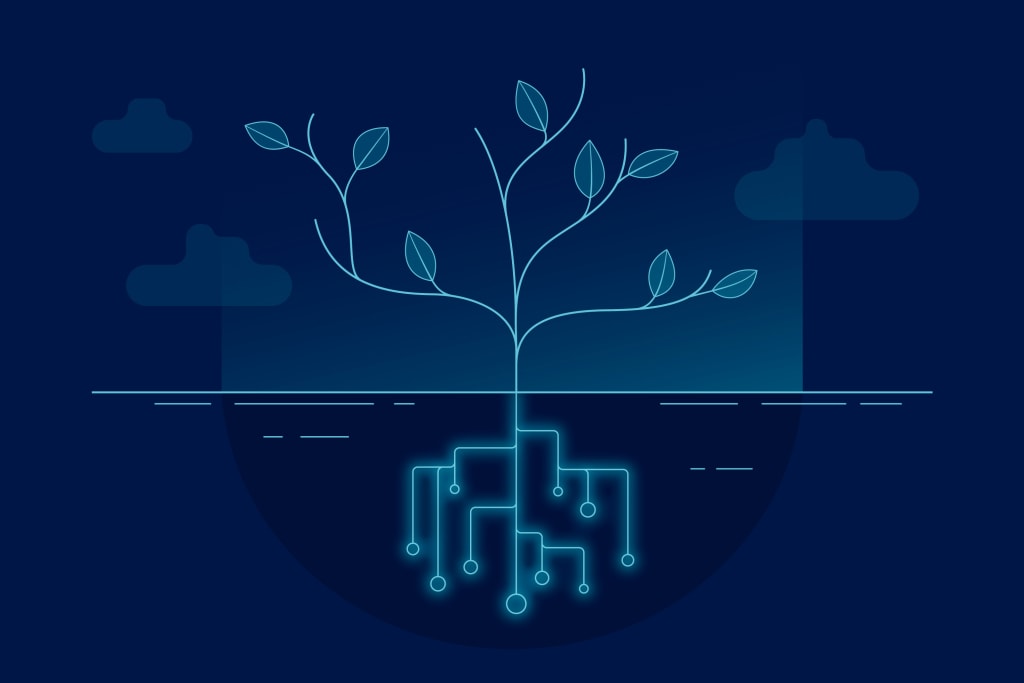
Blockchain technology is revolutionizing the agriculture industry by enhancing transparency, traceability, and trust across the supply chain. This innovative technology is addressing key challenges and paving the way for a more efficient and sustainable agricultural sector.
Understanding Blockchain in Agriculture
Blockchain in agriculture involves the application of blockchain technology to enhance the traceability, transparency, and efficiency of agricultural supply chains. This integration allows for secure data collection, storage, and analysis, enabling stakeholders to make informed decisions and optimize various processes.
Key Challenges Solved by Blockchain in Agriculture

Data Management and Analytics
The agriculture industry generates vast amounts of data, ranging from weather patterns to crop yields. Blockchain streamlines data collection, storage, and analysis, enabling stakeholders to make informed decisions and optimize resource allocation based on real-time insights.
Empowering Smallholder Farmers
Blockchain provides smallholder farmers with direct market access, eliminating the need for intermediaries and ensuring fairer prices for their products. This technology facilitates transparent transactions, broadening market reach, and empowering farmers to negotiate better deals.
Food Safety and Quality Assurance
Blockchain enhances food safety by enabling quick responses to foodborne illness outbreaks and ensuring compliance with regulations. By recording data on temperature controls, handling procedures, and product specifications, blockchain maintains quality assurance throughout the supply chain.
Supply Chain Transparency and Traceability
Blockchain allows stakeholders to track agricultural products from farm to table, providing detailed information about their origins, processing, and environmental footprint. This transparency builds consumer trust and promotes accountability, ensuring the integrity of the supply chain.
How Blockchain is Used in Agriculture
Farm Inventory Management
Blockchain helps manage farm inventory by monitoring storage conditions and product expiration dates, ensuring timely action and reducing waste.
Transparent and Fair Pricing
Farmers can negotiate better prices for their products through blockchain, facilitating direct connections with buyers and ensuring fair transactions.
IoT Optimization for Security
Integrating IoT devices with blockchain enhances security by providing real-time monitoring of products and environmental conditions, reducing risks, and ensuring data integrity.
Microloans for Small Farmers
Blockchain enables small farmers to access microloans with lower interest rates, supporting their financial needs and helping them maintain and grow their businesses.
Supply Chain Efficiency
Blockchain automates and streamlines supply chain processes, increasing efficiency and productivity in the agricultural sector.
Top Use Cases of Blockchain in Agriculture
Crop and Food Production
Blockchain, combined with IoT, optimizes farming resources and promotes sustainable practices, improving food production and addressing challenges related to environmental conditions.
Managing Agricultural Finance
Blockchain ensures transparency in financial transactions, helping producers maximize their yields and access fair credit. Auditors can verify transactions directly via blockchain ledgers.
Food Supply Chain
Blockchain provides transparency in the food supply chain, reducing food fraud, and ensuring the distribution of safe, healthy food products.
Future Trends in Blockchain for Agriculture
Diversification of Use Cases
Blockchain will continue to find new applications, such as land management, crop insurance, and carbon offset trading, addressing specific challenges across the agricultural value chain.
Focus on Sustainability and Ethical Practices
Blockchain promotes sustainability and ethical practices by verifying the authenticity of organic and fair trade products and tracking environmental impact metrics.
Integration with Emerging Technologies
The integration of blockchain with IoT, AI, and big data will enhance data collection, analysis, and decision-making, driving further innovations in agriculture.
Scaling Up Adoption
As awareness of blockchain's benefits grows, its adoption will expand across the agricultural sector, from large agribusinesses to smallholder farmers.
Standardization and Interoperability
Developing industry-wide standards for blockchain interoperability will facilitate collaboration and data exchange, promoting efficiency and connectivity in the agricultural supply chain.
In conclusion, blockchain technology holds immense potential to revolutionize the agriculture industry, addressing key challenges and paving the way for a more efficient, transparent, and sustainable future. As adoption continues to grow and new innovations emerge, blockchain will play an increasingly integral role in shaping the future of agriculture.
About the Creator
Sumit Chauhan
I'm Sumit Chauhan, a dedicated tech enthusiast with a keen interest in exploring the realms of mobile app development across Android and iOS platforms.
Keep reading
More stories from Sumit Chauhan and writers in 01 and other communities.
The Role of Data Analytics in Sports
In the dynamic world of sports, data analytics in sports has emerged as a game-changer, influencing every aspect from player recruitment to fan engagement. Leveraging the power of data, sports organizations can now make informed decisions, optimize performance, and enhance the overall experience for fans and athletes alike.
By Sumit Chauhan2 years ago in 01
Candace Owens pushes theory Charlie Kirk was 'time traveller' who went to 'X-Men school'
In a recent episode of her podcast, Candace Owens said Charlie Kirk told her he was a “time traveler” who was sent to “X-Men school,” and alleged he was monitored since childhood.
By Dena Falken Esq4 days ago in 01
How a Web Development Company in India Builds CMS eCommerce Sites?
The first CMS-based eCommerce project I watched unfold didn’t start with technology at all. It started with confusion. The client wanted an online store, a blog, marketing pages, and the ability to change everything without calling a developer every week. The development team didn’t argue platforms or frameworks. They asked questions—lots of them. That moment stuck with me because it explained how many teams in India actually approach CMS eCommerce work.
By Jane Smithabout 19 hours ago in 01




Comments
There are no comments for this story
Be the first to respond and start the conversation.