
The Rise of AI Integration
Transforming Businesses Across Industries

Introduction
Artificial Intelligence (AI) is no longer a futuristic concept confined to research labs or tech-savvy startups. It has emerged as a cornerstone of innovation, driving transformation across industries. From automating routine tasks to empowering businesses with predictive insights, AI integration is reshaping the way organizations operate and compete.
This article dives deep into the impact of AI on industries, exploring its applications, challenges, and the roadmap to successful integration.
Understanding AI Integration in Business

What is AI Integration?
AI integration refers to the seamless incorporation of artificial intelligence technologies into business operations, tools, and strategies. These technologies include:
- Machine Learning (ML): Algorithms that process data to learn and improve over time.
- Natural Language Processing (NLP): Systems that interpret and generate human language.
- Computer Vision: AI systems capable of analyzing images and videos.
- Robotic Process Automation (RPA): Tools that automate repetitive tasks.
The Growing Need for AI in Business
- Massive Data Availability: Businesses generate enormous amounts of data daily, which AI can process to extract actionable insights.
- Customer-Centric Services: Modern consumers demand personalized and efficient experiences, which AI can deliver at scale.
- Global Competitiveness: AI empowers companies to innovate faster and adapt to market dynamics effectively.
Current Trends in AI Adoption
- AI-Driven Customer Insights: Businesses use AI to better understand consumer behavior and preferences.
- Predictive Analytics: Anticipating trends and preparing for market shifts.
- Automation in Decision-Making: AI systems help streamline operations by offering reliable recommendations.
- Sustainability Solutions: AI is driving green initiatives, optimizing resources to reduce waste.
AI’s Impact Across Key Industries
1. Healthcare: Delivering Better Outcomes
AI is revolutionizing healthcare by enhancing diagnostics, streamlining workflows, and improving patient care.
- Precision Medicine: AI analyzes genetic data to recommend personalized treatments.
- Medical Imaging: AI tools detect anomalies in scans with high accuracy.
- Operational Efficiency: Automating administrative tasks reduces costs and errors.
- Telemedicine Support: AI-powered platforms provide remote diagnostic assistance and follow-up care.
2. Retail and eCommerce: Enhancing Customer Experience

In retail, AI is transforming the shopping experience and optimizing business operations.
- Smart Recommendations: Algorithms suggest products based on user behavior.
- Inventory Predictions: Ensures that stocks are maintained to meet demand efficiently.
- AI-Powered Chatbots: Provide real-time customer support, improving satisfaction.
- Visual Search Features: Customers can upload images to find similar products.
3. Manufacturing: Boosting Productivity

Manufacturing has embraced AI for smarter, leaner, and more responsive processes.
- Predictive Maintenance: AI monitors equipment to prevent unexpected breakdowns.
- Automation in Assembly Lines: Robots powered by AI ensure consistent product quality.
- Supply Chain Optimization: From procurement to delivery, AI streamlines operations.
- Energy Efficiency: AI systems reduce energy consumption by optimizing production schedules.
4. Financial Services: Redefining Risk Management

AI’s integration in the financial sector has enhanced fraud prevention, customer service, and investment strategies.
- Fraud Detection: AI identifies unusual patterns, protecting assets in real time.
- Customized Banking: Personalized financial advice and services through AI-powered platforms.
- Robo-Advisors: Automated investment management tools tailored to individual needs.
- Loan Approval Systems: AI evaluates creditworthiness swiftly and accurately.
5. Education: Making Learning Accessible

AI is enabling more inclusive and effective learning experiences for students worldwide.
- Adaptive Learning Tools: AI adjusts course material to suit individual learning styles.
- AI Tutors: Provide additional support outside traditional classroom hours.
- Automated Administrative Processes: Streamlines admissions and grading tasks.
- Global Learning Platforms: AI bridges language gaps, connecting students across borders.
Advantages of AI Integration
1. Improved Decision-Making

AI processes vast datasets quickly, offering actionable insights and reducing human error in decision-making.
2. Cost Efficiency

By automating routine tasks, AI reduces operational costs and enhances productivity.
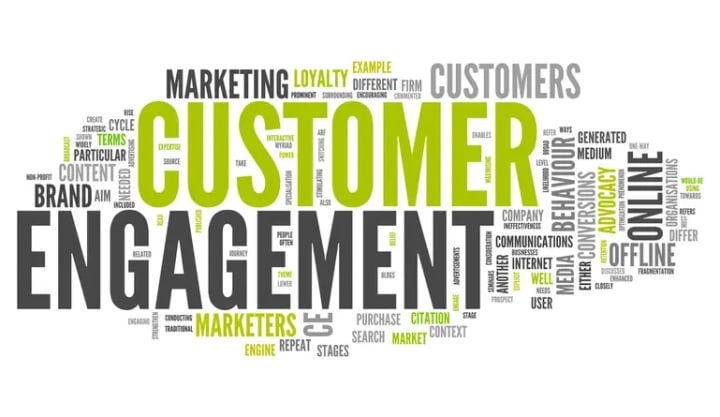
3. Enhanced Customer Engagement
AI’s ability to provide personalized experiences fosters customer loyalty and satisfaction.
4. Scalability
AI systems can handle growing workloads effortlessly, making them ideal for scaling operations.
Challenges in AI Integration
1. High Initial Costs
AI implementation often requires significant upfront investment in technology and expertise.
2. Data Privacy Concerns
Businesses must ensure robust data protection mechanisms to maintain customer trust.
3. Ethical Considerations
Bias in AI algorithms can lead to unfair outcomes, necessitating strict ethical oversight.
4. Workforce Reskilling
As AI automates tasks, reskilling employees for more strategic roles becomes crucial.
Roadmap to Successful AI Integration

1. Define Clear Objectives
Businesses must align AI implementation with specific goals, such as improving efficiency or customer engagement.
2. Invest in Talent and Tools
Hire skilled data scientists, engineers, and software development teams to ensure seamless integration.
3. Start Small
Pilot projects allow businesses to test AI applications before scaling them across operations.
4. Foster Collaboration
Encourage cross-functional collaboration to ensure AI solutions address real-world challenges effectively.
The Future of AI Integration
1. AI and IoT Convergence
The integration of AI with the Internet of Things (IoT) will unlock smarter, interconnected systems.
2. Sustainable AI Solutions
AI will play a pivotal role in driving eco-friendly innovations across industries.
3. Ethical AI Development
Transparency and inclusivity will be at the forefront of AI advancements to ensure fair usage.
4. Widespread Adoption
As AI becomes more accessible, even small and medium-sized businesses will leverage its potential.
Conclusion

The rise of AI integration is a testament to the technology’s transformative power. Across industries, it is driving innovation, enhancing efficiency, and creating new possibilities. However, businesses must approach AI implementation strategically, addressing challenges while leveraging its immense potential.
To fully embrace this revolution, organizations must invest in the right tools, teams, and strategies, ensuring that AI is not just a technological upgrade but a true enabler of growth and success. By partnering with experienced software development professionals, companies can unlock AI’s full potential and lead in the era of intelligent transformation.
ChatGPT can make mistakes. Check important info.
About the Creator
Emma Jhonson
Emma Jhonson Loves Writing about Technology to Educate People about How it can Improve their lives. As a Technical Writer Expert at ValueCoders, She has used her Extensive Knowledge of this Industry for Fifteen years now.
Keep reading
More stories from Emma Jhonson and writers in 01 and other communities.
The Devil's Cut
“Comrade, finally you’re awake.” The voice was smooth, sensual. A flickering incandescent bar was all that lit the white, sterile room. All Vladimir remembered was everything going black. He tried to move his arms and found them strapped to the gurney.
By Matthew J. Fromm5 days ago in Fiction


Comments
There are no comments for this story
Be the first to respond and start the conversation.