
The Power and Progress of Technology: Shaping Our Future
How Modern Technology is Reshaping Society and the Future
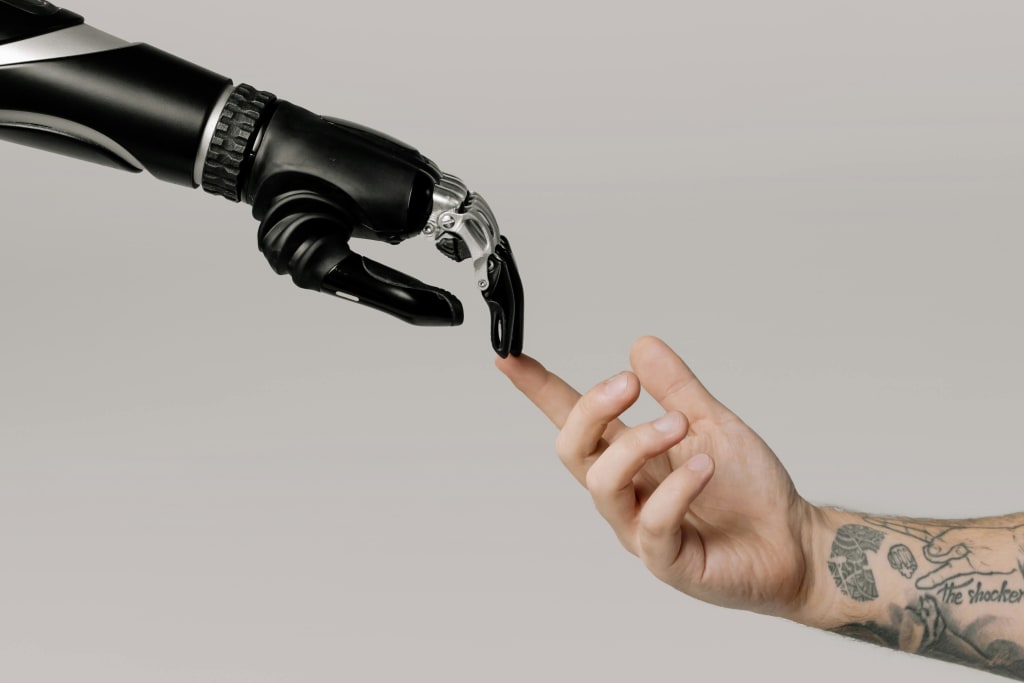
The Power and Progress of Technology: Shaping Our Future
Technology has become an inseparable part of human life. From the smartphones in our hands to the artificial intelligence (AI) that powers our digital assistants, technology is revolutionizing how we live, work, and interact with the world. What was once considered science fiction is now a reality, driving major transformations across every industry, reshaping economies, and even changing human behavior. This article explores the rise of technology, its influence on modern society, emerging trends, and what the future holds.
The Role of Technology in Daily Life
In just a few decades, technology has evolved from basic computing systems into advanced tools that influence nearly every aspect of life. Consider communication: once reliant on landlines and letters, people today connect instantly through apps like WhatsApp, Zoom, and social media. Online banking, food delivery, e-learning, and remote work are now common, largely due to technological innovations.
Healthcare, too, has been transformed. Wearable devices like smartwatches monitor heart rates and oxygen levels, while telemedicine allows patients to consult doctors from home. In transportation, electric and self-driving cars are becoming more accessible, reducing emissions and increasing safety. All these developments highlight how deeply embedded technology has become in our routines.
Technology and Business Transformation
Businesses have embraced technology to improve productivity and efficiency. Digital tools like cloud computing, customer relationship management (CRM) systems, and data analytics help companies make smarter decisions. Automation and robotics are replacing repetitive manual labor, allowing humans to focus on more creative or strategic roles.
The COVID-19 pandemic further accelerated digital transformation. Many companies were forced to adopt remote work solutions and digital platforms, proving that business continuity can be maintained even without physical presence. E-commerce boomed, with platforms like Amazon, Shopify, and local startups serving millions of customers around the world.
Artificial Intelligence and Machine Learning
Among the most transformative technologies of the 21st century are artificial intelligence (AI) and machine learning (ML). These technologies allow machines to learn from data and perform tasks that once required human intelligence—such as recognizing speech, analyzing images, or making recommendations.
AI is now used in countless applications: personalized shopping experiences on websites, fraud detection in banking, facial recognition in security systems, and even predictive algorithms in healthcare. Chatbots and virtual assistants like Siri, Alexa, and ChatGPT are making customer support faster and more efficient.
While AI offers many advantages, it also raises ethical concerns. Issues around privacy, data security, and job displacement are actively being debated by experts and governments alike.
The Internet of Things (IoT)
The Internet of Things (IoT) refers to the connection of everyday objects to the internet, enabling them to collect and exchange data. Smart thermostats, refrigerators, lights, and even toothbrushes are now part of this growing ecosystem.
IoT improves convenience and efficiency. For example, a smart home system can turn off the lights when you leave the house or adjust the temperature based on your schedule. In agriculture, IoT sensors help farmers monitor soil conditions, water levels, and weather data to optimize crop production.
Cybersecurity: A Growing Concern
As our dependence on technology grows, so do the risks associated with it. Cybersecurity has become a crucial field in protecting personal data, corporate systems, and national infrastructure from digital attacks.
Hackers, ransomware, and phishing schemes are increasingly sophisticated, targeting individuals, companies, and governments. The need for skilled cybersecurity professionals is at an all-time high, and investing in digital defense tools is now a priority for organizations of all sizes.
Emerging Technologies Shaping the Future
Several emerging technologies are expected to dominate the next decade:
1. 5G and Beyond – High-speed mobile networks will enable real-time communication for advanced applications like remote surgery, autonomous driving, and immersive virtual reality.
2. Blockchain – Best known as the backbone of cryptocurrencies like Bitcoin, blockchain is being adopted for secure transactions, digital identity, and supply chain management.
3. Augmented Reality (AR) and Virtual Reality (VR) – These immersive technologies are enhancing gaming, education, and remote collaboration.
4. Quantum Computing – Though still in early development, quantum computers promise to solve complex problems faster than traditional computers.
Social Impact and the Digital Divide
Despite its many benefits, technology also exposes gaps in access and education. The digital divide refers to the inequality between those who have access to technology and those who do not. This divide is especially visible in rural areas and developing countries.
Bridging this gap requires investment in digital infrastructure, affordable internet, and digital literacy programs. Without inclusive access, many communities risk being left behind in the modern economy.
Conclusion: A Balanced Perspective
Technology is a powerful force shaping our present and future. It brings unprecedented opportunities for innovation, growth, and convenience. However, it also demands responsibility, ethical consideration, and inclusive policies.
As we continue to invent and innovate, it’s essential to use technology not just for profit or convenience, but also for social good—empowering education, improving healthcare, preserving the environment, and enhancing human connection. The future of technology is not just about machines, but about how we choose to use them to build a better world.
---
Would you like this article formatted for a blog (with headers, SEO-friendly keywords, etc.) or translated into Pashto or Urdu?
About the Creator
Keep reading
More stories from Rahmat Ullah Khan and writers in 01 and other communities.
Smart Content Creation with AI: Tips to Write Better, Rank Higher, and Reach Further
Title: Smart Content Creation with AI: Tips to Write Better, Rank Higher, and Reach Further Subtitle: Proven AI Techniques to Boost Content Quality, Improve SEO, and Maximize Online Visibility
By Rahmat Ullah Khan6 months ago in 01


Comments (5)
Excellent
Best
Awesome
Great
Good