
The Most Reliable Best Practices for Integrating Blockchain with Laravel
Explore the best practices for integrating blockchain with Laravel to build secure, decentralized, and transparent applications.
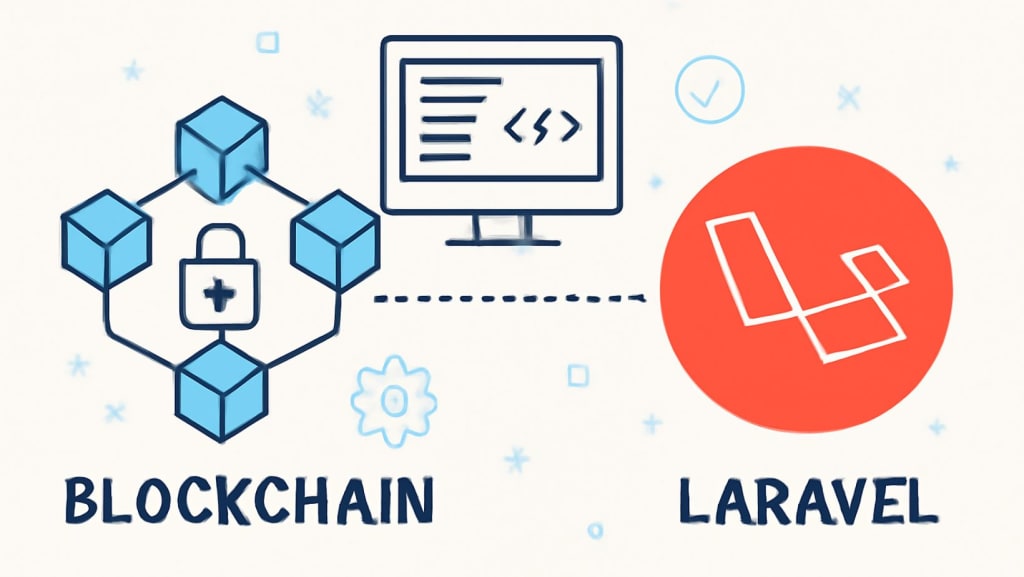
Blockchain is one of the most unconventional innovations. It is used from cryptocurrency to secure voting systems because of its data security, transparency, and decentralization. However, integrating blockchain into existing systems can be tricky. Laravel is an excellent choice for building web applications and combining it with blockchain for more powerful functionalities. We explore the best practices of integrating blockchain with Laravel.
Why Integrate Blockchain with Laravel?
Why should you consider adding blockchain to your Laravel app? Companies can get numerous benefits of building blockchain applications with Laravel. First, it boosts security and transparency. Blockchain’s decentralized ledger ensures that no one can alter or tamper with data, making it perfect for sensitive information like finances or votes. By integrating blockchain with Laravel, you get a secure platform. Blockchain’s decentralization makes your app more resilient and removes single points of failure. It is also a cost-efficient option. Lastly, the blockchain system speeds up transactions, so it is ideal for real-time exchanges or cryptocurrency apps. Now we will move to the best practices of integrating blockchain with Laravel.
Best Practices of Integrating Blockchain with Laravel
Now that we know why integrating blockchain with Laravel is a good idea, let's explore the best practices of integrating blockchain with Laravel.
Understand the Basics of Blockchain
Before jumping into the code, it is essential to understand blockchain fundamentals. You have to be comfortable with concepts like the decentralized ledger, smart contracts, cryptographic hashing, and consensus mechanisms. Companies will benefit by having a solid knowledge of these, which will help them design better, more secure applications.
Choose the Right Blockchain Platform
Not all blockchain platforms are created equal. Companies should pick the right platform according to their needs. Ethereum is a great choice for decentralized apps. Bitcoin works for cryptocurrency transactions, but it is not as flexible. Hyperledger is perfect for businesses needing control, while EOS is all about scalability and low fees. Pick wisely to ensure your Laravel app performs optimally.
Laravel Built-in Features
Laravel has lots of built-in features for different development purposes. From authentication to routing and database migrations, you can use these to integrate blockchain seamlessly. Laravel’s Eloquent ORM can help manage blockchain data, and middleware can secure transactions. Plus, with Laravel’s queues and jobs, you can handle blockchain processes in the background without slowing down your app.
Integrate with Web3 Libraries
Companies need Web3 libraries to interact with the blockchain. While Laravel does not natively support these, it is easy to integrate them using Composer or the HTTP client. For example, if you are using Ethereum, Web3.php helps send transactions and deploy contracts from your Laravel app.
Implement Smart Contracts Efficiently
Smart contracts are at the heart of many blockchain apps. Laravel’s artisan commands can help deploy these contracts, and you can use routes and controllers to interact with them. But always make sure your contracts are secure. Laravel’s encryption tools can help safeguard sensitive data like private keys.
Testing and Debugging
Blockchain systems are decentralized, which can make debugging tricky. Start by testing on a blockchain testnet. Laravel’s debugging tools will help you track errors and troubleshoot blockchain transactions. Companies should write unit tests to ensure their code works as expected.
Optimize for Performance
Last in the list of best practices of integrating blockchain with Laravel is performance optimization. Blockchain can become resource-heavy, especially with many transactions. To keep your Laravel app running smoothly, use caching to speed up data retrieval. Asynchronous processing with Laravel’s queues will prevent the app from freezing while handling lengthy blockchain operations. Finally, blockchain interactions should be minimized, and off-chain solutions should be considered to store frequently accessed data.
Conclusion
Integrating blockchain with Laravel offers a powerful combination for building secure, decentralized, and transparent applications. By following the best practices of integrating blockchain with Laravel, you can ensure a smooth and efficient integration that utilizes the full potential of both technologies.
If you are looking to integrate blockchain with Laravel but do not have the expertise or resources to do it, consider working with a Laravel development company. Their experienced developers can help you navigate the complexities of blockchain integration and ensure your application runs smoothly.
About the Creator
Dhruvil Joshi
I'm a dynamic digital marketing executive with experience in the IT industry, I've developed a deep understanding of the unique challenges and opportunities that come with technologies.
Keep reading
More stories from Dhruvil Joshi and writers in 01 and other communities.
Elevate Your Business With Proven Benefits of Scaling Laravel Applications
Over 700,000 global companies have used Laravel to build their websites. The main reason behind this selection is scalability. Laravel is popular because of its scalability. When companies grow, they need to scale their websites. When applications grow in terms of users, data, or features, companies may start to face performance issues or reliability challenges. So, scaling your Laravel application becomes necessary. Scaling your application means you can handle higher traffic and larger workloads smoothly. In this article, we will explore the key benefits of scaling Laravel application and why it is essential for long-term success.
By Dhruvil Joshi11 months ago in 01
How to Hire a Mobile App Developer in St. Louis 2026
The regional tech landscape has shifted significantly. The decision to hire a mobile app developer in St. Louis 2026 is now a strategic choice. St. Louis has evolved from a traditional manufacturing hub. It is now a center for agtech and geospatial technology. Financial services also drive the local economy forward.
By Del Rosarioa day ago in 01
Reducing AI Integration Failures by 40% With the Right Generative AI Consulting Partner
In the rush to adopt cutting-edge technologies, many organizations have jumped into artificial intelligence projects without a solid strategy, experienced guidance, or realistic expectations. As a result, a growing number of businesses report stalled initiatives, failed integrations, or tools that never deliver meaningful ROI. But when organizations align with the right generative ai consulting services, the narrative changes — often dramatically. With expert support, companies can reduce AI integration failures by up to 40% and unlock the full potential of intelligent systems.
By Steve Waugh7 days ago in 01




Comments
There are no comments for this story
Be the first to respond and start the conversation.