
The Importance of Roof Ventilation and How to Improve It in Jefferson County
Jefferson Roofing
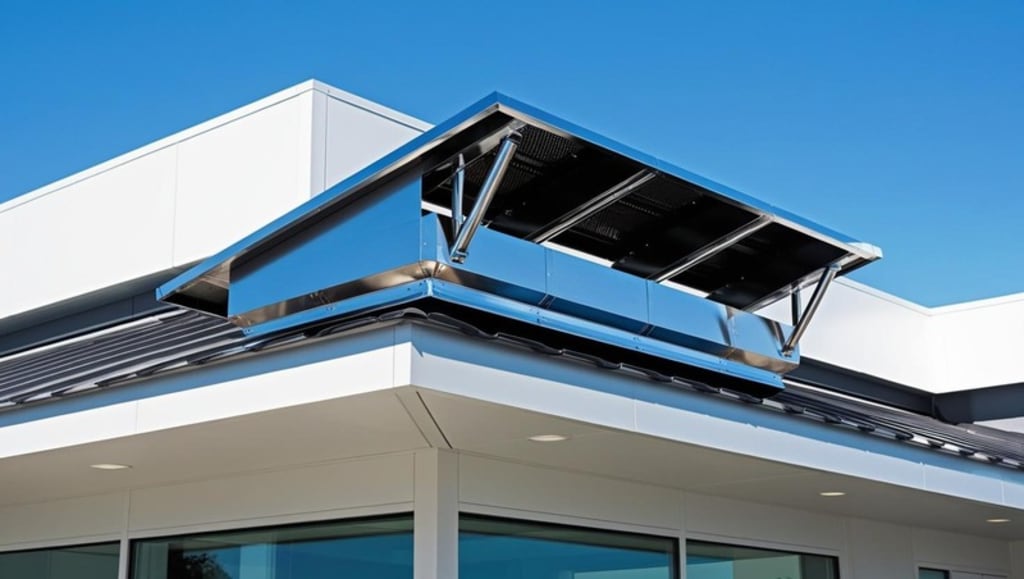
Roof ventilation plays a crucial role in maintaining a healthy, durable roof. In Jefferson County, where the weather fluctuates dramatically—from hot, sunny summers to cold, snowy winters—having a properly ventilated roof is essential to avoid premature wear, water damage, and high energy costs.
In this article, we’ll discuss why roof ventilation is important, how it affects the lifespan of your roof, and how you can improve your roof’s ventilation to protect your property and save money on energy bills.
1. What Is Roof Ventilation?
Roof ventilation refers to the system of intake and exhaust vents that allow air to flow through the attic or roof space. This airflow helps regulate temperature and moisture levels in the attic, preventing damage to both the roof and the structure of your home or business.
There are two primary types of roof ventilation systems:
Active Ventilation:
Active ventilation uses mechanical systems, such as fans, to increase air circulation. These are often used in larger homes or commercial buildings with complex roof designs or higher insulation needs.
Passive Ventilation:
Passive ventilation relies on natural airflow to regulate temperature and moisture. It involves strategically placed vents, such as ridge vents, soffit vents, and gable vents, that allow air to move freely in and out of the attic space.
While both active and passive ventilation systems are effective, passive ventilation is the most common and affordable solution for most Jefferson County homes and businesses.
2. Why Is Roof Ventilation Important?
Proper roof ventilation offers several key benefits, especially in areas like Jefferson County, where weather conditions can be extreme.
A. Prevents Moisture Buildup and Mold Growth
One of the main reasons roof ventilation is essential is to reduce moisture buildup. Without proper ventilation, warm, moist air from your living space can become trapped in the attic, leading to condensation on the roof deck. Over time, this moisture can promote the growth of mold and mildew, which can cause significant damage to your roof structure and insulation.
How Ventilation Helps:
- Reduces the risk of condensation and water damage.
- Prevents mold and mildew growth, which can deteriorate roofing materials and insulation.
- Protects wood framing, preventing rot and decay.
B. Extends the Lifespan of Your Roof
In Jefferson County, where roofs face extreme seasonal changes, proper ventilation helps protect your roof from temperature-related damage. Without adequate ventilation, heat and moisture buildup can cause shingles to warp, crack, or deteriorate prematurely. This can shorten the lifespan of your roof and increase the need for frequent repairs.
How Ventilation Helps:
- Regulates temperature and reduces the risk of heat damage, particularly in the summer.
- Prevents ice dams in the winter, which occur when snow melts on the roof and refreezes at the eaves.
- By improving ventilation, you can extend the life of your roofing materials, saving money on costly repairs or replacements.
C. Enhances Energy Efficiency
Proper attic ventilation also improves your home or business’s energy efficiency. In the summer, inadequate ventilation traps heat in the attic, which can cause your air conditioning system to work harder to cool your home. In the winter, poor ventilation can cause heat to build up, leading to ice dams and increased heating costs.
How Ventilation Helps:
- Keeps your attic cool in the summer, reducing the load on your air conditioning system.
- Helps your insulation perform better in the winter by preventing ice dams and maintaining a stable temperature.
By optimizing your roof ventilation, you can reduce energy consumption, lower utility bills, and increase your comfort year-round.
3. How to Improve Roof Ventilation
If you suspect that your roof isn’t adequately ventilated, or if you want to ensure that your home or business is energy-efficient, there are several ways to improve your roof’s ventilation system. Here are some steps you can take:
A. Install Soffit Vents
Soffit vents are located under the eaves of your roof and allow cool, fresh air to enter the attic. These vents are essential for maintaining proper airflow, as they work in tandem with exhaust vents to create a continuous flow of air.
B. Add Ridge Vents
Ridge vents run along the peak of your roof and allow warm air to escape from the attic. When paired with soffit vents, ridge vents create a natural airflow that draws cooler air in through the soffits and expels warm air out of the ridge.
C. Use Gable Vents
Gable vents are placed at the top of the gable ends of your roof and can help expel hot air from the attic. While not as efficient as ridge vents, they still contribute to overall ventilation, especially in homes with gabled roofs.
D. Install Attic Fans
In some cases, installing an attic fan can help improve airflow in your roof system. These fans can be powered by electricity or solar energy and help expel hot, stale air from the attic during the summer months. They can also assist with removing moisture during the winter.
E. Ensure Proper Insulation
Attic insulation plays a critical role in roof ventilation. Proper insulation helps prevent heat from escaping into the attic in the winter and keeps your home cooler in the summer. It also helps control moisture levels, reducing the risk of condensation and mold growth.
4. Signs Your Roof Ventilation Needs Improvement
If you’re unsure whether your roof ventilation is adequate, here are some signs that indicate it may need improvement:
- High indoor temperatures: If your attic feels excessively hot during summer or your energy bills are unusually high, your roof may not be ventilating properly.
- Ice dams in winter: If ice forms along the edge of your roof in winter, it’s likely due to inadequate ventilation causing melting snow to refreeze in the gutters.
- Condensation or mold: Visible moisture or mold in the attic or along the roofline is a clear sign that your roof needs better ventilation.
- Warped or damaged shingles: If your shingles are curling or cracking prematurely, poor ventilation may be a contributing factor.
5. Why You Should Consult a Professional Roofing Contractor
Roof ventilation systems can be complex, and installing or improving ventilation requires knowledge of your roof's specific needs. If you’re unsure how to assess or improve your roof ventilation, it’s best to consult with a professional Jefferson County roofing contractor. They can evaluate your attic’s airflow, recommend improvements, and ensure the system is installed correctly to maximize efficiency and protect your roof.
For expert guidance and installation, visit Diamond Certified’s Jefferson County roofing directory to find certified contractors who specialize in roof ventilation.
Final Thoughts: Keep Your Roof Healthy with Proper Ventilation
Roof ventilation is an often-overlooked but crucial aspect of roof maintenance. In Jefferson County, where the weather can vary drastically, ensuring that your roof is properly ventilated will help it withstand the elements and last longer. Proper ventilation also improves energy efficiency, prevents moisture damage, and contributes to the overall health of your home or business.
By installing soffit vents, ridge vents, and making sure your attic is properly insulated, you can enhance your roof’s longevity and keep your energy costs down. If you're unsure of the state of your roof ventilation, don’t hesitate to contact a trusted Jefferson County roofing contractor to help optimize your system.
About the Creator
Keep reading
More stories from Jared Benning and writers in 01 and other communities.
Reducing Waste and Maximizing Profit: The ROI of Self-Pour Systems
Every Ounce Counts In the highly competitive food and beverage industry, tight margins are the norm. From product loss to staffing inefficiencies, every inefficiency—no matter how small—adds up. For bars, restaurants, taprooms, and hospitality venues, beverage waste is one of the most persistent and expensive challenges. Whether it’s overpouring, theft, spillage, or expired inventory, lost product equals lost revenue.
By Jared Benning9 months ago in 01


Comments
There are no comments for this story
Be the first to respond and start the conversation.