
The Impact of the Internet of things on Daily life
IOT

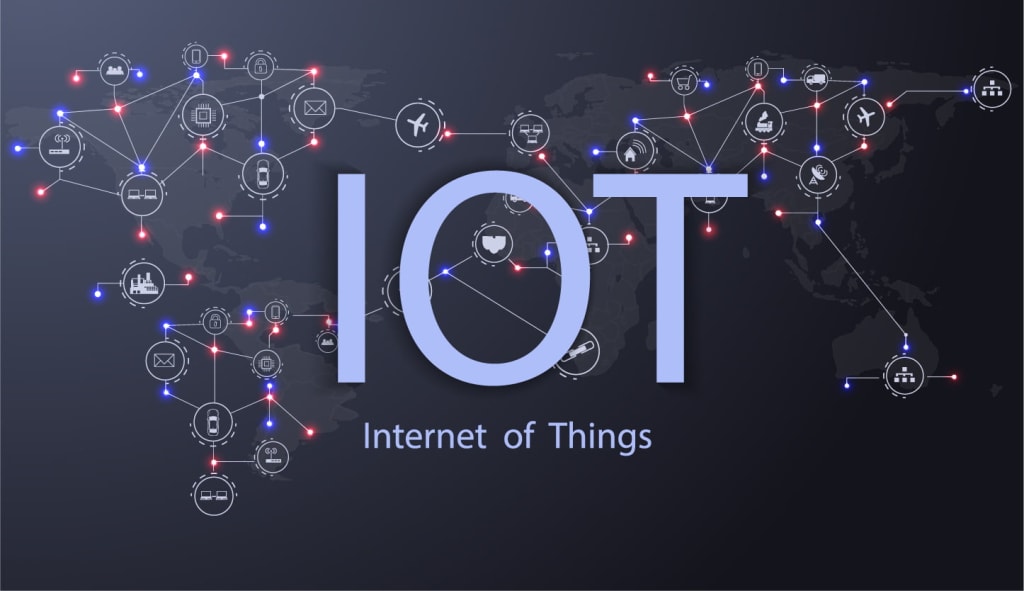
The Internet of Things (IoT) refers to the network of physical objects or "things" that are embedded with sensors, software, and connectivity to enable them to exchange data with other connected devices and systems over the internet. The IoT has already begun to revolutionize the way we live and work, and its impact is expected to grow exponentially in the coming years. In this article, we will explore the impact of the IoT on daily life.
One of the most significant ways in which the IoT is transforming daily life is through the automation of everyday tasks. Smart home devices such as thermostats, lighting systems, and security cameras can be controlled remotely via a smartphone app or through voice commands, making it easy for homeowners to manage their homes even when they are away. This not only enhances convenience but also helps to improve energy efficiency and reduce costs.
The IoT is also being used to improve healthcare outcomes. Wearable devices, such as smartwatches and fitness trackers, can monitor a range of health indicators such as heart rate, sleep patterns, and exercise levels. This data can then be analyzed to provide insights into the user's health and wellness, enabling them to make informed decisions about their lifestyle and health management. Additionally, connected medical devices can be used to remotely monitor patients with chronic conditions, reducing the need for hospital visits and improving patient outcomes.
In the transportation sector, the IoT is being used to optimize the movement of people and goods. Connected vehicles are able to communicate with each other and with traffic infrastructure, enabling them to avoid congestion and navigate more efficiently. This not only reduces travel times but also improves safety by helping to prevent accidents.
The IoT is also transforming the retail industry. Connected devices such as smart shelves and beacons can be used to track inventory levels and provide personalized recommendations to shoppers based on their previous purchases and browsing behavior. This helps retailers to improve the customer experience and increase sales.
However, the IoT also poses some risks that must be addressed. One of the main concerns is the potential for data breaches and cyber attacks. With so many connected devices exchanging data over the internet, there is a risk that sensitive information could be intercepted or compromised. This could have serious consequences for individuals and organizations alike, highlighting the need for robust cybersecurity measures.
Another risk is the potential for job displacement. As automation and robotics become more prevalent in industries such as manufacturing and transportation, there is a risk that some jobs could become obsolete. This could lead to significant social and economic challenges, highlighting the need for policies that support the transition to a more automated workforce.
Finally, the IoT raises important ethical considerations around privacy and data ownership. With so much personal data being collected by connected devices, it is important to ensure that individuals have control over how their data is collected and used. Additionally, there is a need to establish clear guidelines around data ownership and the use of data by third parties.
In conclusion, the IoT is already having a significant impact on daily life, and its influence is only set to grow in the coming years. While the benefits of the IoT are clear, it is important to address the potential risks and challenges that it poses. This includes ensuring robust cybersecurity measures, supporting the transition to an automated workforce, and establishing clear guidelines around privacy and data ownership. By doing so, we can ensure that the IoT continues to enhance our lives in a safe and ethical manner.
About the Creator
On stop Tech-News
On stop Tech-News is a tech enthusiast and writer who provides expert analysis and insights to stay up-to-date in the fast-paced world of tech.
Keep reading
More stories from On stop Tech-News and writers in 01 and other communities.
The Benefits and risks of automation
Automation, the use of technology to perform tasks without human intervention, has been transforming industries for decades. From manufacturing to finance, automation has brought about significant changes in the way work is done. While there are undeniable benefits to automation, there are also risks that must be considered. In this article, we will explore the benefits and risks of automation.
By On stop Tech-News3 years ago in 01
Asia Pacific Prebiotics Market Size and Forecast 2025
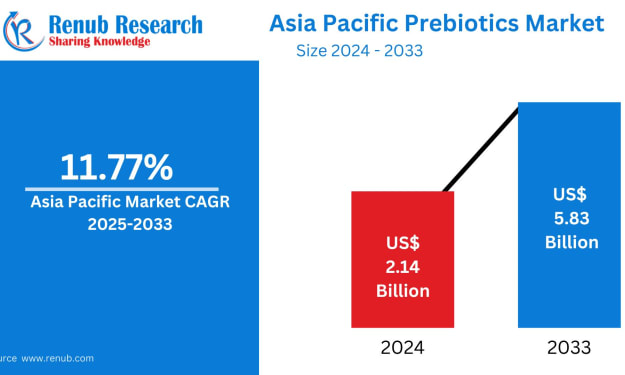
Asia Pacific Prebiotics Market: A Region Poised for Gut-Health Revolution The Asia Pacific prebiotics market is entering a transformative decade. With rising health awareness, aging populations, expanding functional food industries, and rapid advancements in biotechnology, prebiotics have become a central ingredient in modern nutrition strategies across the region. According to Renub Research, the Asia Pacific Prebiotics Market is expected to reach US$ 5.83 billion by 2033, growing from US$ 2.14 billion in 2024, at a robust CAGR of 11.77% from 2025 to 2033.
By Janine Root 2 days ago in 01
How to Choose a Web Design Agency for Long-Term Product Growth
If you are looking at a site like a catalog of past work and thinking about hiring a web design agency for B2B and product teams, you are probably already past the phase where “making it look good” is the main problem.
By Valeriia Shulga5 days ago in 01
Miss Persephone's Manual to a Seemingly Ordinary Life
Miss Persephone was found at the dining table, her blue eyes swollen, her tears arriving and retreating like the tides of the ocean. Earlier that day, her family had visited her in the retirement home where she had lived for eight years. It was her eightieth birthday.
By Imola Tóth3 days ago in Fiction


Comments
There are no comments for this story
Be the first to respond and start the conversation.