
"The Impact of Social Media on Democracy" by Jamil Zaki
Scientific American (March 21, 2023)

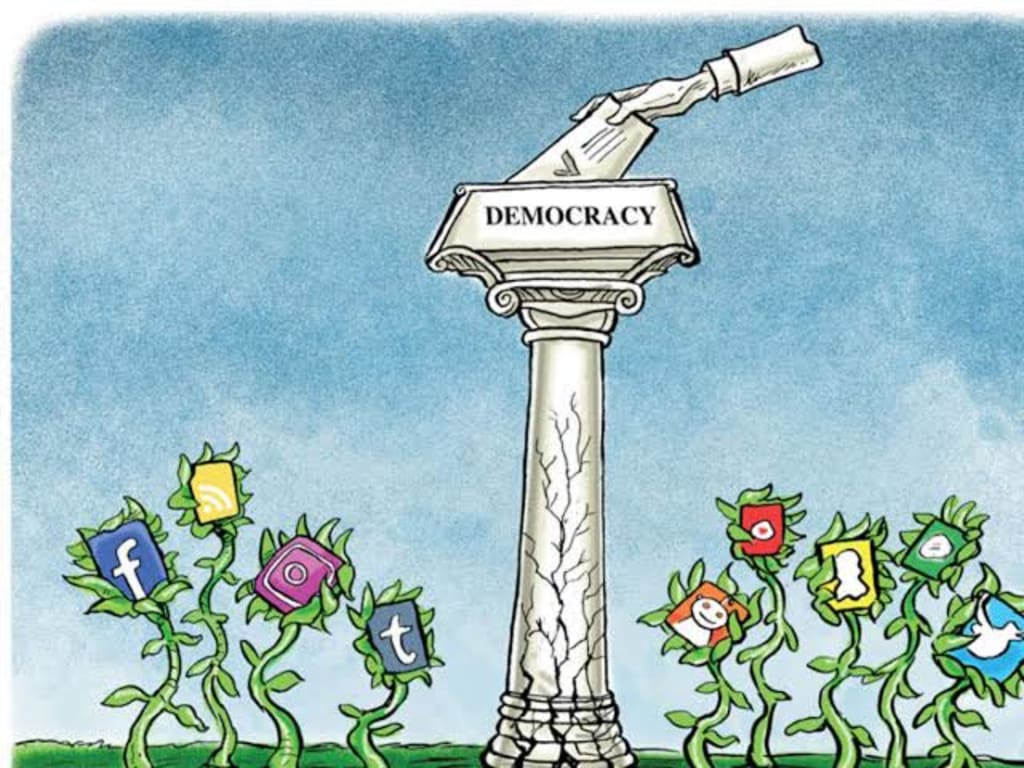
Social media has become an integral part of our daily lives, and its impact on society cannot be overstated. While social media platforms have provided numerous benefits, such as increased communication and access to information, they have also had a profound impact on democracy. In his article, "The Impact of Social Media on Democracy," Jamil Zaki explores the various ways in which social media has affected democracy.
One of the most significant ways in which social media has impacted democracy is through the rise of "fake news." Social media platforms provide a vast platform for the spread of false information, and this has resulted in the propagation of misinformation and conspiracy theories that can be harmful to democratic societies. The lack of regulation of social media content has contributed to the spread of fake news, and this has led to a growing distrust of traditional media outlets and experts.
Furthermore, social media platforms have been used to manipulate public opinion, which can have a significant impact on democratic processes. Zaki highlights the role of social media in the 2016 US presidential election, where Russian operatives used social media to spread false information and sow discord among American voters. This manipulation of public opinion can undermine the democratic process and erode public trust in institutions.
Another way in which social media has impacted democracy is through the creation of "echo chambers" and the spread of polarizing views. Social media algorithms often prioritize content that aligns with a user's interests and beliefs, which can result in individuals being exposed only to content that reinforces their existing views. This can lead to a lack of exposure to alternative viewpoints and contribute to the spread of extreme and polarizing views.
However, social media platforms have also been used to mobilize and engage citizens in democratic processes. Social media has been instrumental in organizing protests and political campaigns, and it has provided a platform for marginalized voices to be heard. Zaki highlights the role of social media in the Arab Spring protests, where social media was used to mobilize citizens and spread information about the protests.
Another significant impact of social media on democracy is the rise of online harassment and hate speech. Social media platforms have provided a space for individuals to express their opinions freely, but this has also resulted in the spread of hate speech, which can contribute to the marginalization of certain groups. Online harassment can also silence marginalized voices, which can undermine democratic processes by preventing individuals from participating in public discourse.
Additionally, the algorithms that social media platforms use to determine the content that users see can contribute to the spread of false information and polarizing views. The algorithms often prioritize engagement metrics such as likes and shares, which can incentivize the spread of sensationalist and divisive content. This can result in a situation where individuals are more likely to engage with extreme views, which can contribute to the erosion of democratic norms.
Moreover, the rise of social media has also resulted in a decline in traditional media outlets, such as newspapers and television news. This has led to a situation where individuals are more likely to rely on social media for news, which can result in a lack of exposure to diverse viewpoints. The decline of traditional media outlets can also contribute to the spread of fake news, as there are fewer gatekeepers to regulate the spread of false information.
Despite these challenges, social media has also had a positive impact on democracy. It has provided a space for individuals to engage in public discourse and has increased access to information. Social media has also provided a platform for citizen journalism, where individuals can report on events that traditional media outlets may not cover. This can result in a more diverse range of voices being heard and can contribute to a more robust democratic society.
In conclusion, the impact of social media on democracy is complex and multifaceted. While social media has provided many benefits, such as increased communication and access to information, it has also had a profound impact on democratic processes. The spread of fake news, the manipulation of public opinion, and the creation of echo chambers are significant challenges that must be addressed. However, social media has also provided a platform for citizen engagement and has the potential to strengthen democracy. As we navigate the impact of social media on democracy, it is crucial to strike a balance between regulation and free expression, and to ensure that social media platforms are used to promote democratic values and not undermine them.
About the Creator
9FunFacts
belief in or acceptance of something as true.
Reader insights
Outstanding
Excellent work. Looking forward to reading more!
Top insights
Compelling and original writing
Creative use of language & vocab
Easy to read and follow
Well-structured & engaging content
Excellent storytelling
Original narrative & well developed characters
Expert insights and opinions
Arguments were carefully researched and presented
Eye opening
Niche topic & fresh perspectives
Heartfelt and relatable
The story invoked strong personal emotions
Masterful proofreading
Zero grammar & spelling mistakes
On-point and relevant
Writing reflected the title & theme
Jeff Bezos' head-turning then-and-now photos from high schooler to Amazon billionaire
The businessman and entrepreneur has undergone a huge transformation over the years Looking at Jeff Bezos today, with his $252 billion fortune and life of luxury, it's difficult to imagine him as a regular child, let alone as a short-order cook at McDonald's.
By Dena Falken Esq6 days ago in 01
Winter Clothing: Purpose, Materials, and Modern Use
Winter clothing plays an essential role in human adaptation to cold environments. Across history, people have relied on specialized garments to protect themselves from low temperatures, wind, and moisture. While early winter clothing focused almost entirely on survival, modern cold-weather wear has developed into a balance of function, comfort, and everyday practicality. Today, winter clothing is shaped by advances in materials, changes in lifestyle, and evolving expectations of durability and versatility.
By charliesamuel7 days ago in 01
A Dart at Dusk
Seconds ago, the sullen sun set on the two of us… my exuberant furry companion and me. A fresh breeze embraces us, delivering welcome relief from the day’s oppressive heat. His typical stumbling and staggering along — apace with a sloth — has turned into trip-trapping, high-stepping, almost skipping along.
By Angie the Archivist 📚🪶5 days ago in Petlife


Comments
There are no comments for this story
Be the first to respond and start the conversation.