
The Impact of Seasonal Changes on Pest Activity
Gecko Pest Control
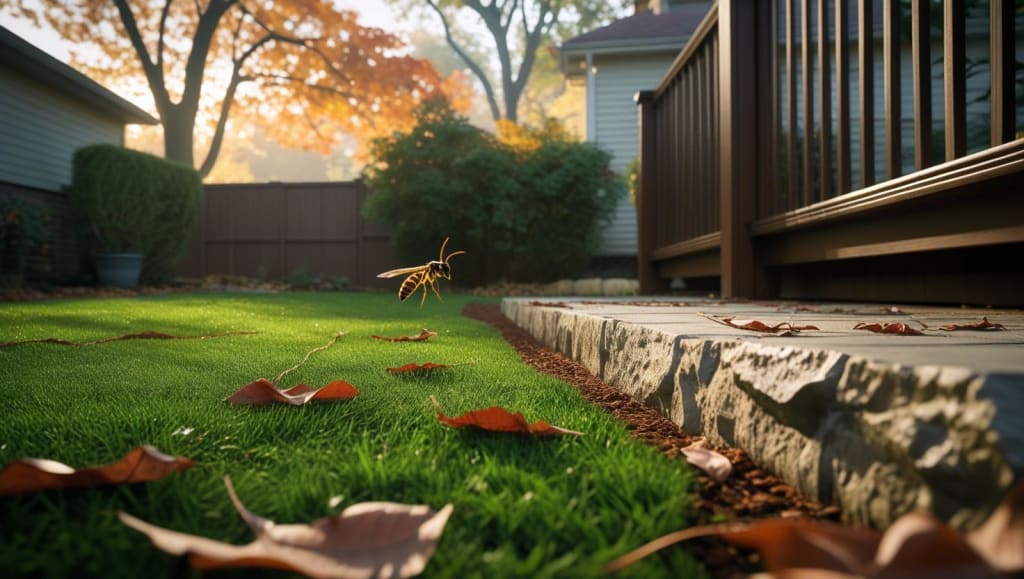
Pest behavior is anything but random. In fact, it often follows predictable seasonal patterns tied to temperature, moisture, and food availability. Understanding how pests behave throughout the year can help homeowners and businesses anticipate infestations and take preventive action before it’s too late.
This article explores how the four seasons affect pest activity, which pests are most active during specific times of year, and how to adapt your pest control strategies to each seasonal shift.
Spring: Awakening and Reproduction
As temperatures rise and flowers bloom, spring becomes the season of emergence. Many pests that lay dormant or hidden during the winter reappear in full force, making it one of the most active seasons for infestations.
Key Pest Trends in Spring:
- Increased Reproduction: Insects like ants, termites, and spiders begin to reproduce aggressively.
- Nesting Season: Birds, rodents, and wasps build nests in attics, eaves, and crawl spaces.
- Moisture Draws Activity: Spring rains and thawing ground create damp environments ideal for pests like mosquitoes, centipedes, and cockroaches.
Common Spring Pests:
- Ants: Scout ants begin foraging indoors as outdoor colonies grow.
- Termites: Spring is the start of termite swarming season.
- Wasps and Bees: Queen wasps and bees become active, seeking out places to build new hives.
- Rodents: Spring cleanup efforts often expose hidden nests or new entry points.
Pest Control Tips for Spring:
- Seal cracks and entry points around your home.
- Clear out debris and standing water from yards.
- Schedule termite inspections—especially if you’ve had issues in the past.
Summer: Peak Infestation Season
Summer is the height of pest activity. Warm temperatures speed up insect life cycles, allowing populations to explode. The longer days and abundance of food sources provide the ideal conditions for pests to thrive.
Key Pest Trends in Summer:
Breeding Accelerates: Pests reproduce rapidly in the heat.
- Increased Outdoor Exposure: Outdoor dining, BBQs, and gardening draw more pests into human contact.
- More Flying Insects: Mosquitoes, flies, and wasps are everywhere during summer months.
Common Summer Pests:
- Mosquitoes: Thrive in warm, humid conditions. Known carriers of West Nile Virus, Zika, and more.
- Flies: Fruit flies and houseflies multiply near food and trash.
- Bees and Wasps: Their colonies grow larger and more territorial.
- Fleas and Ticks: Peak season for biting pests, especially dangerous for pets.
- Cockroaches: Reproduce faster and scavenge aggressively.
Pest Control Tips for Summer:
- Use insect-repelling plants or citronella candles in outdoor areas.
- Store garbage in sealed containers and clean up after meals.
- Ensure screens on doors and windows are intact and without holes.
Fall: Transition and Infiltration
Autumn is a transitional time—not just for the weather, but for pests as well. As the temperature drops, many pests begin preparing for the winter by seeking shelter indoors.
Key Pest Trends in Fall:
- Shelter Seeking: Pests start moving indoors in search of warmth.
- Food Storage: Rodents and insects stockpile food and build nests.
- Reduced Outdoor Visibility: Pest problems become harder to detect.
Common Fall Pests:
- Rodents: Mice and rats enter attics, basements, and kitchens.
- Spiders: More sightings indoors as they move to warmer areas.
- Boxelder Bugs & Stink Bugs: Gather on sunny sides of homes and sneak indoors.
- Cockroaches: Move indoors for warmth and food.
Pest Control Tips for Fall:
- Inspect rooflines, vents, and foundation cracks.
- Trim trees and shrubs away from your house.
- Use door sweeps and weather stripping on all entryways.
Winter: Hibernation and Survival
While winter may seem like a reprieve from pest issues, it's actually a critical time for hidden activity. Many pests go dormant, but others live quietly in your walls, attic, or crawl spaces.
Key Pest Trends in Winter:
- Dormancy or Overwintering: Many insects slow their metabolism or enter diapause (insect hibernation).
- Indoor Survival: Rodents and cockroaches remain active in warm homes.
- Reproduction Pauses: Activity drops but doesn’t stop entirely—especially in heated spaces.
Common Winter Pests:
Mice and Rats: Constant gnawers and major disease carriers, they multiply quickly in indoor environments.
- Cockroaches: Thrive in warm kitchens and bathrooms.
- Silverfish: Seek out damp basements and laundry rooms.
- Overwintering Insects: Such as ladybugs and cluster flies.
Pest Control Tips for Winter:
- Don’t let your guard down—inspections matter year-round.
- Store firewood at least 20 feet away from your home.
- Keep garages and basements well-sealed and ventilated.
Why Seasonal Pest Awareness Matters
Adapting your pest control efforts to the season can dramatically improve effectiveness. Too often, homeowners react after a problem has become severe. With seasonal awareness, you can anticipate and prevent.
Seasonal Control Strategy Overview:
Season Primary Threats Best Time for...
Spring Reproduction, nesting Termite inspection, yard cleanup
Summer Infestation peak Mosquito & ant control
Fall Infiltration, nesting Rodent prevention, sealing
Winter Indoor survival Structural inspection, baiting
The Role of Professional Pest Services Year-Round
While DIY efforts can offer temporary relief, year-round protection requires a strategic and professional approach. Gecko Pest Services understands how seasonal cycles affect pest behavior and tailors their treatment plans accordingly.
From one-time inspections to quarterly maintenance packages, Gecko Pest Services offers peace of mind—season after season.
Conclusion
Every season presents a unique pest challenge. Whether it's ants marching across your countertop in the spring or rodents nesting behind your walls in the fall, knowing what to expect allows for better preparation and control.
Stay ahead of seasonal pest trends by combining practical home maintenance with professional pest services. Proactive management is not only more effective—it’s also more economical in the long run.
About the Creator
Keep reading
More stories from Jared Benning and writers in 01 and other communities.
How Proximity and Mobile Search Affect B2B Buyer Behavior in 2025
Introduction Local SEO is no longer just a B2C tool for coffee shops and dry cleaners. In 2025, proximity-based and mobile-first searches play a major role in how B2B buyers find and choose service providers.
By Jared Benning9 months ago in 01
Understanding Flexible Packaging Bags and Films in Modern Manufacturing
Flexible packaging bags and films have become an essential part of modern packaging systems worldwide. Used across industries such as food, pharmaceuticals, agriculture, and personal care, flexible packaging supports efficient product handling while adapting to diverse functional needs. Unlike rigid formats, flexible packaging is characterized by its ability to change shape, offering practicality in storage, transport, and use.
By charliesamuelabout 6 hours ago in 01
App Development Cost and Timeline: St. Louis 2026
Estimating the App Development Cost and Timeline: St. Louis 2026 requires deep research. It requires more than just a surface-level quote. You must understand the Midwest’s evolving tech ecosystem. St. Louis-based founders face a unique "sweet spot" in 2026. You are operating in a major technical hub. It combines the technical rigor of coastal standards. It also offers the fiscal advantages of a regional talent pool.
By Del Rosarioa day ago in 01
Why Didn't Anyone Tell Us
Men, move along. This is not for you. This is for the women. I was forty-five when I began menopause. It is pretty young for that to be going on in a woman’s life, but I had undiagnosed PCOS, my entire life. Thank you to all the gynecologists I had seen my entire life. That in itself should encourage women to keep seeking second opinions, especially when you are not getting correct answers or any at all.
By Alexandra Grant2 days ago in Humans




Comments
There are no comments for this story
Be the first to respond and start the conversation.