
The Hidden System That Keeps Big Buildings Running
The electrical infrastructure quietly powering offices, hotels, and the spaces we rely on every day
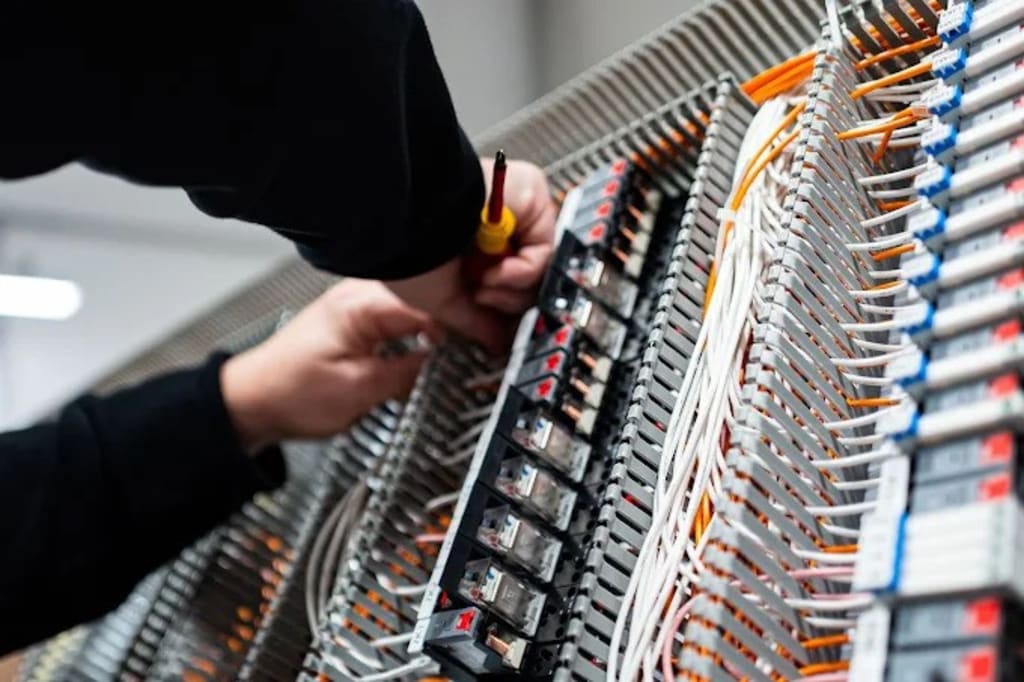
The first things that most people notice when they enter a hotel, office, hospital, or retail center are the apparent. The lighting. the air conditioner. The lifts. If the coffee smells strong enough, perhaps the café downstairs.
The system that silently makes all of this possible is something they typically overlook.
Large buildings' electrical infrastructure works hard behind the walls and in plant rooms. The switchboard, which most people never see, is at the center of that system.
Although it may be one of the most significant features of a building, it is not the most glamorous.
So what does a switchboard actually do?
A switchboard, to put it simply, controls and distributes power across a structure. It securely and effectively directs power from the main supply to its destination.
This entails supplying energy for everything from kitchens, cooling systems, pumps, lighting, and lifts to other necessary services.
Modern structures just don't work effectively without a well-designed switchboard. Systems may overload, power may become erratic, and maintenance may become considerably more difficult than necessary.
Therefore, even though the majority of people never see one, they depend on one on a daily basis.
Why big buildings need more than a standard solution
The electrical requirements of a large business structure and a residential are somewhat different.
Air conditioning, laundry systems, commercial kitchens, lifts, pools, guest rooms and back-of-house services may all need to be supported simultaneously by a hotel. Large machinery, lighting, office areas, and security systems may all need to be managed in a warehouse. The stakes are increased when a hospital or infrastructure project is undertaken.
For this reason, rather than using one-size-fits-all equipment, many larger projects require specialised switchboards.
The building must be compatible with the electrical system, not the other way around.
The part most people never see
The amount of thought that goes into electrical infrastructure before a switch is flipped is one of its intriguing features.
Behind the scenes, there is a lot of planning, engineering, coordination, testing, and problem-solving. The board must be appropriate for the project's future requirements, the installation environment, the anticipated load, and the building architecture.
Specialised manufacturers can help with that.
Businesses like Core Switchboards design and construct the systems that keep big projects running in the background. It is intricate work, and the most of it takes place out of sight from the public, but it is crucial to a building's ability to operate safely and effectively once it is operational.
Why this matters more than people realise
One of those things that people usually only become aware of when something goes wrong is electrical infrastructure.
An outage. a defect. A crucial system not reacting as it ought to.
It remains undetectable when everything functions. And that's kind of the point.
Well-designed infrastructure is quiet. It doesn't request attention. It simply supports the places where people live, work, travel, and congregate on a daily basis.
It is so valuable because of its quiet dependability.
The systems behind modern life
The need of sound electrical design increases with a building's size and complexity.
The hidden systems that power buildings must also change as they incorporate more sophisticated technology, renewable energy sources, and greater performance standards.
Therefore, it's important to keep in mind that nothing happens by mistake the next time you enter a large facility and everything just works, including the air conditioning, lifts, and overhead lighting.
All of this is made possible by a secret system.
It probably does a lot more than you realise.
About the Creator
How to Hire White Label WordPress Developer
Digital agencies are expanding, and client demands tend to rise more rapidly than internal resources. The development teams may be stretched to the limit when dealing with multiple site projects, maintenance, and custom feature requests. This is where hiring a white-label developer comes as an option. Most of the agencies engage the services of outside specialists to expand their services without affecting the brand or the quality of delivery.
By Rutvik Sanganiabout 10 hours ago in 01




Comments
There are no comments for this story
Be the first to respond and start the conversation.