
The Growth of RMC Concrete Plants in Emerging Markets
Driving Efficiency and Quality in Construction: The Expansion of Ready-Mix Concrete Plants in Emerging Markets

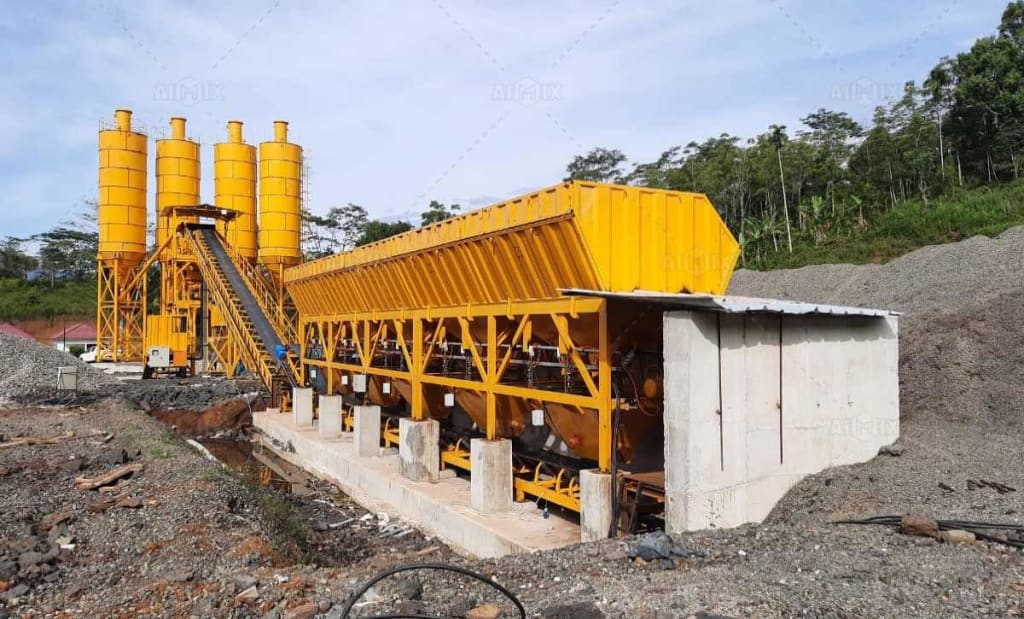
The global construction industry has experienced significant growth in recent years, with a substantial rise in the demand for concrete, especially ready-mix concrete (RMC). The rise of RMC concrete plants in emerging markets has been a key driver in the evolution of the construction industry, offering a more efficient, cost-effective, and scalable solution to meet the growing demand for concrete in infrastructure projects, residential developments, and industrial construction. This article explores the factors contributing to the growth of RMC concrete plants in emerging markets and the cost implications associated with setting up these plants.
What is Ready-Mix Concrete (RMC)?
Ready-mix concrete is a specially designed type of concrete that is produced in a batch plant according to a set mix design and delivered to construction sites in a ready-to-use form. RMC is produced by mixing all of the components of concrete—cement, aggregates, water, and additives—at a centralized plant, rather than mixing on-site. This ensures a consistent quality of concrete and reduces the time and labor required for mixing at the construction site.
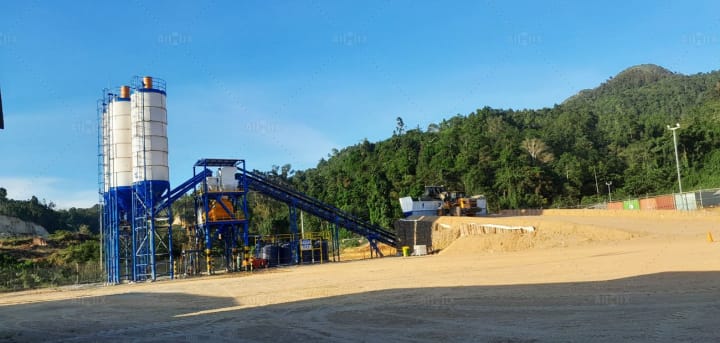
Factors Driving Growth in Emerging Markets
Urbanization and Infrastructure Development
One of the most significant factors driving the growth of RMC concrete plants in emerging markets is rapid urbanization. As cities expand to accommodate growing populations, the demand for residential, commercial, and industrial buildings increases. Construction companies prefer RMC for its convenience and efficiency, as it minimizes the need for on-site mixing and speeds up the construction process. Emerging markets in Asia, Africa, and Latin America are witnessing an upsurge in urban construction activities, leading to a surge in demand for ready-mix concrete.
Faster Construction Schedules
With the increasing pressure to complete projects quickly and efficiently, developers are turning to RMC plants to ensure faster construction timelines. Ready-mix concrete allows for bulk delivery, meaning construction projects are not delayed by the time-consuming process of mixing materials on-site. The quick turnaround time of RMC contributes to accelerated project completion, which is a major incentive for builders, contractors, and developers.
Quality Assurance and Consistency
RMC plants are designed to meet strict quality control standards, ensuring that the concrete produced is consistent in terms of mix ratio, strength, and durability. Emerging markets with less access to skilled labor can benefit from the higher level of control RMC plants offer. Quality assurance is particularly important in regions where fluctuating weather conditions can affect the curing of concrete, and the ability to produce concrete in controlled environments mitigates such risks.
Environmental Sustainability
The emphasis on sustainability in the construction industry is growing worldwide, and emerging markets are no exception. Ready-mix concrete plants have a smaller environmental footprint compared to traditional on-site mixing because of their controlled batching processes and optimized resource usage. Additionally, RMC plants in some regions utilize recycled materials, reducing waste and promoting sustainable practices.
Labor Shortages and Skill Gaps
Emerging markets often face a shortage of skilled labor, and RMC plants help to overcome this challenge by reducing the need for skilled labor on-site. Since the concrete is pre-mixed and delivered directly to the job site, contractors can allocate their workforce more efficiently, focusing on other aspects of construction, which improves overall productivity and cost-effectiveness.
Cost Implications of Setting Up RMC Concrete Plants
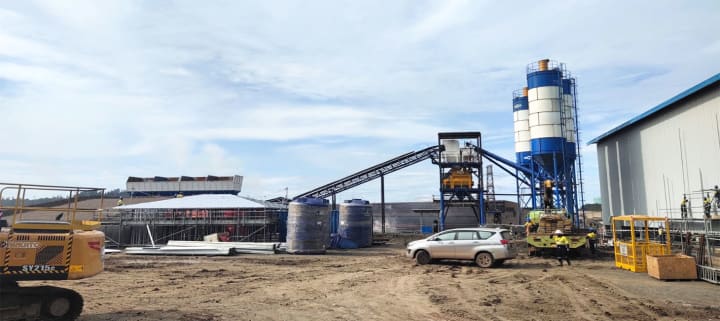
The cost of ready mix concrete plant in an emerging market depends on several factors, including the scale of the plant, the capacity of the production system, local market conditions, and the type of equipment used. Below are some key cost considerations associated with ready mix concrete plants.
Capital Investment in Plant Infrastructure
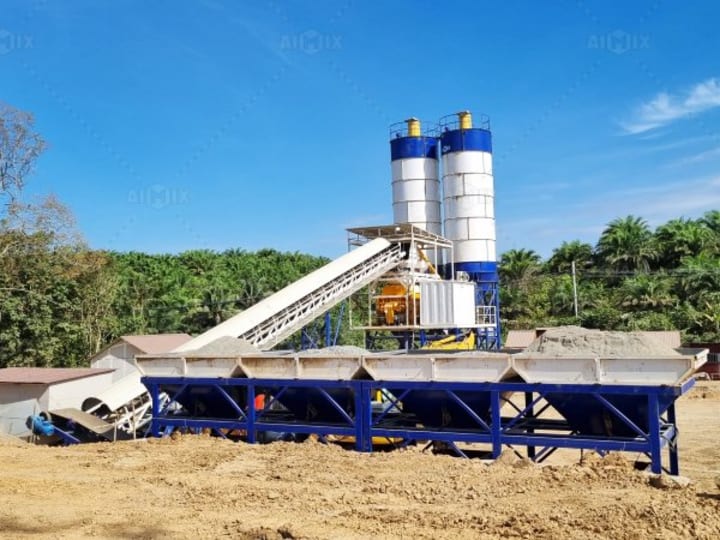
The initial investment required to set up an RMC plant can be significant. The plant itself consists of several key components, including aggregate storage systems, cement silos, a batching system, a concrete mixer, and delivery trucks. A small to medium-sized RMC plant may cost anywhere from $200,000 to $1 million to set up, depending on the capacity of the plant. Large-scale operations can exceed this cost, particularly if high-tech batching systems or automation features are included.
Raw Material Costs
The cost of raw materials for RMC plants typically includes cement, aggregates, water, and additives. These raw materials are purchased in bulk, and their costs can fluctuate based on market demand, geographic location, and transportation costs. In emerging markets, where transportation infrastructure may not be as developed, logistical costs can be a significant factor in the overall cost structure of an RMC plant.
Operating and Maintenance Costs
Operating costs for RMC plants include labor, energy, raw material consumption, and equipment maintenance. Energy consumption can be high, particularly for large plants that require continuous mixing and production. Maintenance costs are another consideration, as concrete mixers and other machinery need regular servicing to ensure operational efficiency. These ongoing costs must be factored into the overall cost of concrete production and pricing.
Transportation and Delivery Costs
One of the primary advantages of RMC is the ease of delivery to construction sites, but transportation costs can also add up, particularly if the plant is located far from major construction zones. The cost of maintaining a fleet of ready-mix trucks is an important consideration for RMC producers. In densely populated cities, delivery time may be a constraint due to traffic, which could also increase costs.
Regulatory and Licensing Costs
Emerging markets may have varying regulatory requirements for construction and manufacturing industries. Complying with local building codes, environmental regulations, and obtaining the necessary licenses can incur additional costs. Some governments may offer incentives for setting up manufacturing plants in certain regions, but navigating the regulatory landscape is essential to avoid penalties or delays.
Conclusion
The growth of RMC concrete plants in emerging markets is driven by factors such as urbanization, the need for faster construction, quality assurance, sustainability, and the alleviation of labor shortages. As the demand for concrete continues to rise, particularly in developing countries, the role of ready mix concrete plants will only become more critical. However, setting up and operating an RMC plant requires significant investment and careful consideration of raw material costs, operating expenses, transportation, and regulatory factors.
Despite the initial cost outlay, the long-term benefits of RMC plants, such as improved construction efficiency, consistent quality, and reduced labor requirements, make them a viable and increasingly popular option in emerging markets. The future of ready-mix concrete in these regions looks promising as demand for modern infrastructure and rapid construction continues to rise.
About the Creator
consrtuctionmachines
AIMIX is a customer-center-oriented heavy equipment manufacturer and supplier, devoted to production, innovation, combination, one-stop solution, etc.
https://aimixgroup.com/
Keep reading
More stories from consrtuctionmachines and writers in 01 and other communities.
A Few Effective Braking Techniques for Concrete Self-Loading Mixers
Concrete self-loading mixers are essential in construction. They combine loading, mixing, and transporting concrete efficiently. However, operating these heavy machines safely requires effective braking techniques. Proper braking ensures safety and prolongs the lifespan of your self loading concrete truck mixer.
By consrtuctionmachinesabout a year ago in 01
A Transparent Look at Vocal Challenges and Top Stories
Almost three years ago, we shared a resource article that served as a place for people to suggest new challenge prompts. We thought it would be a good idea to refresh that thread, and take the opportunity to answer a few common questions about top stories, how challenges are judged and how submissions are reviewed.
By Vocal Curation Team4 days ago in Resources




Comments
There are no comments for this story
Be the first to respond and start the conversation.