
The Future of Work: How AI and Automation are Changing Employment
Explore how AI and automation are reshaping industries, job markets, and how we work in the future

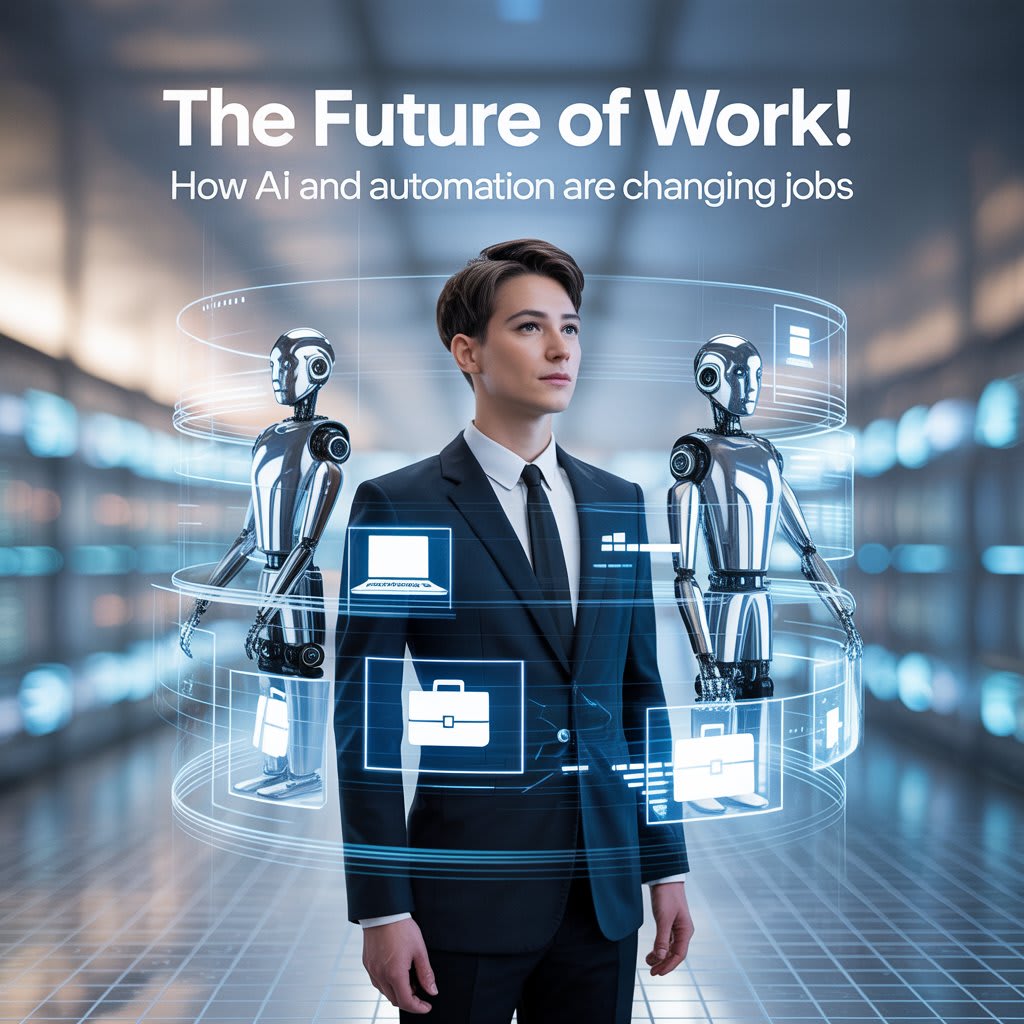
Artificial Intelligence (AI) and automation are rapidly changing the modern workplace. What once seemed like science fiction has become part of our everyday reality. Across various industries, these technologies are improving processes, boosting efficiency, and redefining the skills required from workers. However, alongside opportunity comes disruption—and as we move forward, it's crucial to examine both sides of this transformation.
How AI and Automation Are Reshaping Industries
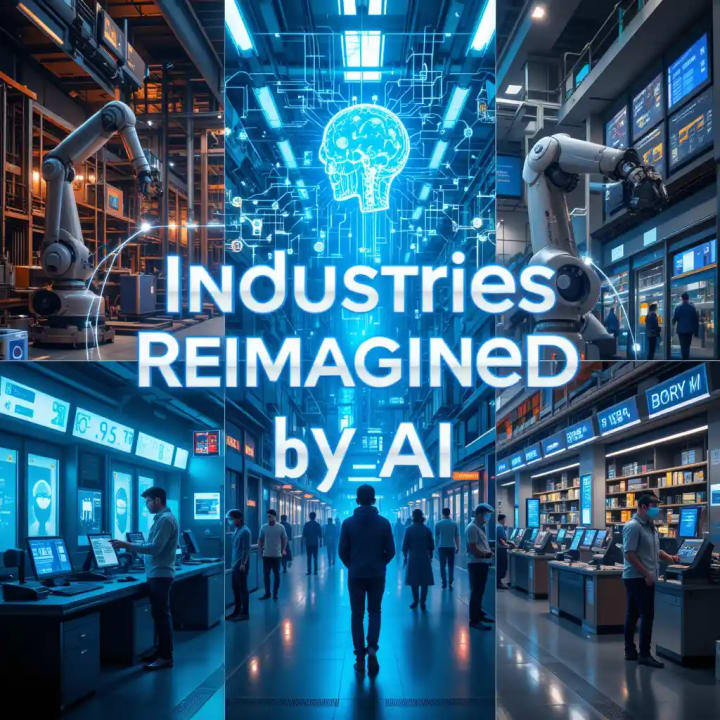
I and automation are being adopted across multiple sectors to improve productivity and reduce costs. In manufacturing, robotic systems manage tasks that were once manual and repetitive, enabling faster and safer production lines. Healthcare systems use AI-powered tools to diagnose illnesses faster, monitor patient vitals, and even assist in surgeries. In retail, automation is visible in self-checkout stations, personalized recommendations, and inventory tracking. Transportation companies rely on AI for route optimization, while financial institutions use machine learning for fraud detection and customer service automation.
This widespread technological adoption creates streamlined operations, better customer service, and lower operational costs. However, it also demands a more tech-savvy workforce and prompts the need to reskill employees whose roles are being automated.
The Impact on Employment and Job Markets
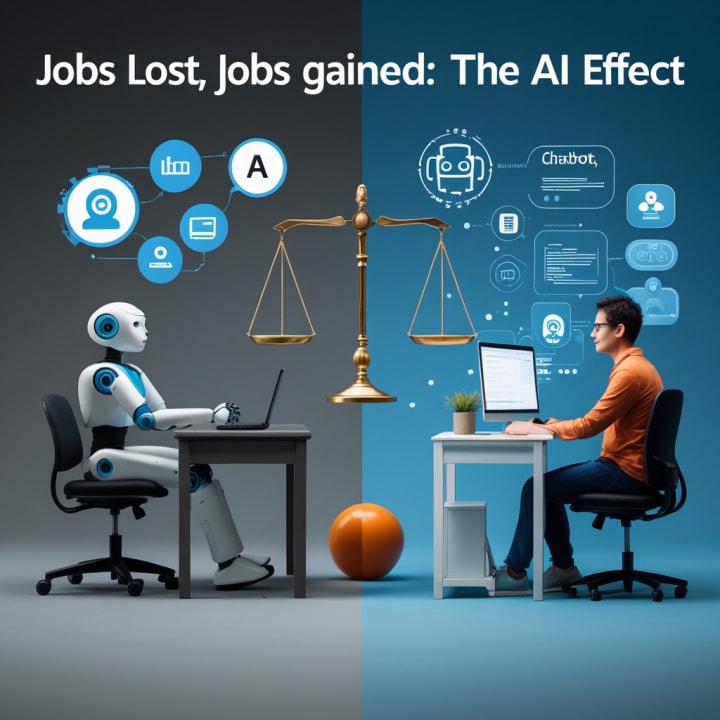
The effect of AI on employment is complex. Automation tends to replace jobs that involve routine and predictable tasks. Jobs like cashiers, drivers, and data entry operators are especially at risk. At the same time, new roles are emerging in AI development, data science, robotics engineering, cybersecurity, and digital marketing. These jobs require a different skill set—often one that includes a deep understanding of technology and data.
Furthermore, AI enables new business models and markets, which in turn can generate employment opportunities. Freelancing, remote work, and gig platforms powered by AI are examples of modern work environments. Therefore, the overall employment landscape is not shrinking—it is transforming. The key is adaptation.
Preparing for the Future: Skills for the AI Age
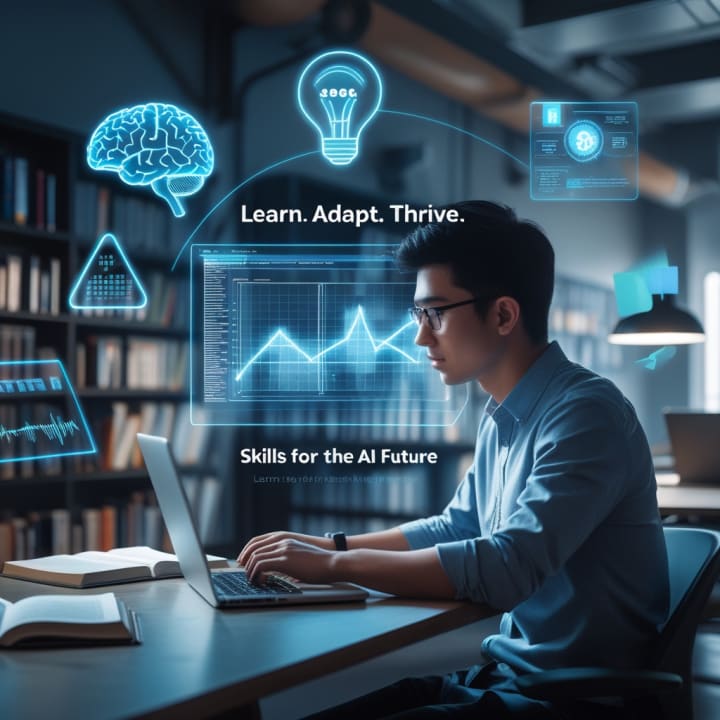
Success in the AI era will depend on continuous learning and skill development. Workers must be open to gaining both technical and soft skills. On the technical side, skills like coding, data analytics, machine learning, and understanding AI tools are becoming essential. Equally, soft skills such as problem-solving, emotional intelligence, creativity, and teamwork are irreplaceable by machines.
Educational institutions and professional training programs must update their curricula to include these hybrid competencies. Governments and employers also have a role to play in supporting upskilling initiatives and promoting lifelong learning. By investing in people, we empower them to navigate and thrive in a tech-dominated job market.
Ethical Considerations and Challenges
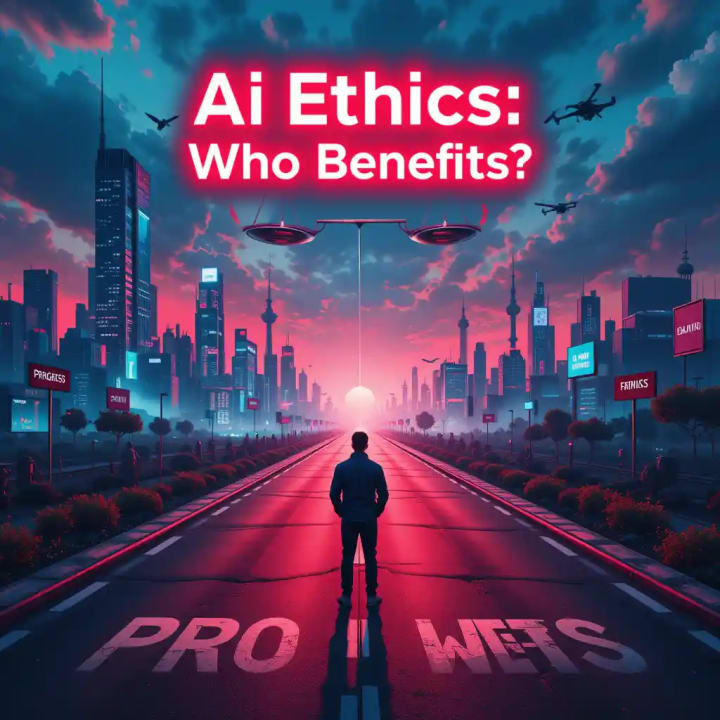
As AI technologies grow more capable, the ethical implications become more significant. Data privacy is a major concern—AI systems often rely on large datasets, and misuse of this data can lead to serious breaches. Bias in algorithms is another challenge; if an AI model is trained on biased data, it can perpetuate and even amplify discrimination.
Accountability also becomes complicated. If an AI makes a flawed decision—such as in a hiring process or legal judgment—who is responsible? These issues require careful oversight and policy development. Inclusive governance involving tech companies, governments, and civil society is necessary to establish regulations that ensure fairness, transparency, and accountability.
Conclusion: Shaping a Human-Centered Future
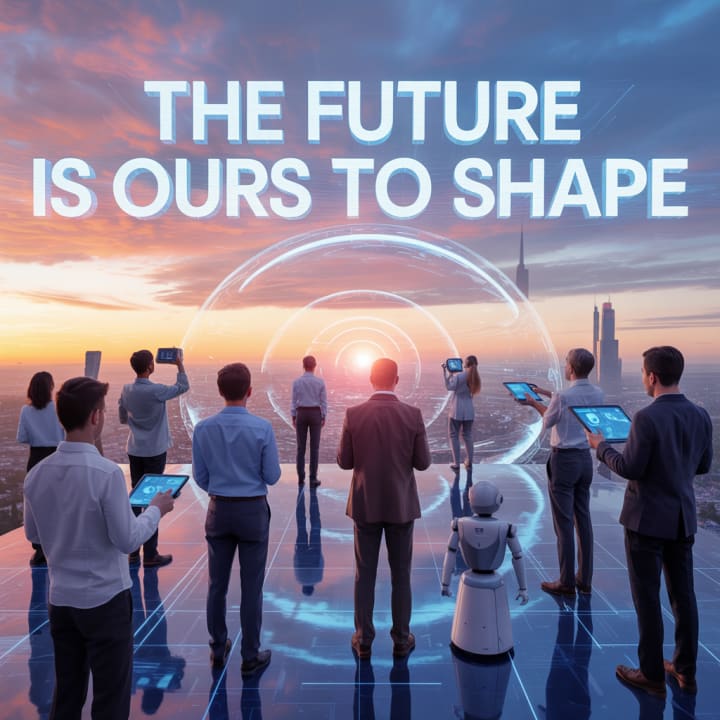
The future of work in the age of AI and automation is not a threat—it’s a transition. With thoughtful planning, investment in education, and commitment to ethical principles, we can make sure this transition benefits everyone. The focus should be on human-AI collaboration rather than competition. By empowering people with the skills and knowledge to work alongside intelligent machines, we pave the way for a more inclusive and innovative future.
AI will continue to evolve, and so will the world of work. Let us ensure it evolves in a direction that uplifts humanity, supports dignity in labor, and promotes equality across all levels of society.
About the Creator
Shadow Fist: An Underground MMA Drama About Survival and Redemption
Set against the gritty backdrop of Mexico City’s underground fighting scene, the film tells the story of Maya Cross, a woman forced to rebuild her life in the most unexpected way — inside an illegal mixed martial arts ring.
By Andreas Szakacs2 days ago in 01
How Long Does App Development Take in St. Louis 2026
St. Louis has solidified its reputation as a "Silicon Prairie" powerhouse. The city has moved beyond its historical manufacturing roots. It is now a sophisticated tech hub. Activity centers around Cortex and the 39 North innovation district. Entrepreneurs and established enterprises have one pressing question. How long does app development take in St. Louis 2026?
By Del Rosario4 days ago in 01
The First Rainbow Baby
Pitter-patter, pitter-patter. The rain fell in rhythmic splatters, slowly slowing, but still constant. Mira rolled onto her side pulling the blanket tight against her ears, but still she could hear chitter-chatter and scurrying feet of the creatures that refused to sleep in the lower decks.
By A. J. Schoenfeld2 days ago in Fiction




Comments
There are no comments for this story
Be the first to respond and start the conversation.